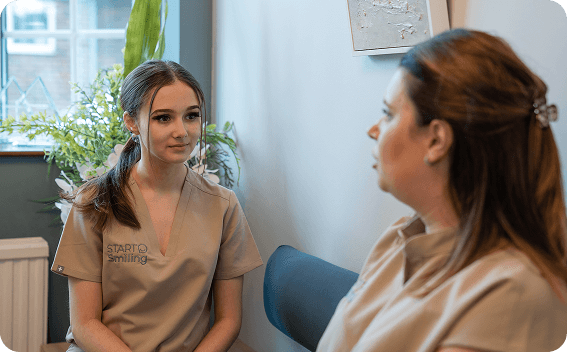
Consultation And Assessment
01
A consultation gives you time to discuss dental anxiety, medical history, sedation suitability, benefits, risks and other options before deciding on care.
Previous distress or panic during dental appointments can make even routine care feel impossible; many people wonder, "What questions should I ask before choosing a sedation method? " That concern shapes our approach for patients searching from Shenfield. At Start Smiling’s Ingatestone practice we begin with a personal assessment so you can understand conscious sedation and relaxation dentistry as one option among others, discuss monitoring and recovery, and raise practical queries about escort needs and likely effects. The consultation focuses on your medical history, current medications and the dental work required so you leave with clear, personalised answers and a considered plan.
Our private consultations start with a suitability review rather than an automatic decision to sedate. We explain how conscious sedation differs from general anaesthesia, outline potential benefits and limitations, and invite questions about monitoring, recovery and any escort or driving implications. If sedation is considered appropriate, you will receive clear aftercare instructions and an estimated fee before treatment proceeds.
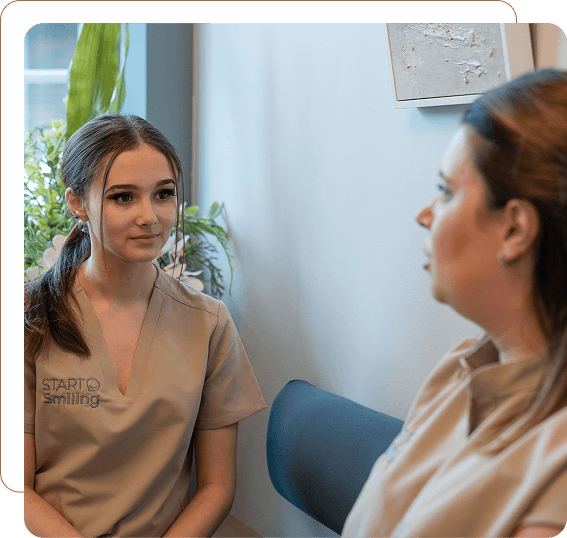
Practical points to help you prepare and decide
A consultation gives you time to discuss dental anxiety, medical history, sedation suitability, benefits, risks and other options before deciding on care.
Ask which options may suit your treatment, how each is monitored, what effects to expect, who will supervise recovery and whether an escort will be advised for your plan.
Find out what clinical checks apply during sedation, how recovery is assessed and how the team will respond if you report concerns afterwards.
Discuss staged appointments, local anaesthetic where clinically indicated and non-sedation relaxation approaches that might allow treatment without medication.
Confirm any personalised preparation the team recommends for your specific sedation or relaxation plan rather than relying on general rules.
Fees vary by the sedation method, appointment length and the dental treatment needed; the practice will explain an estimate before you agree to proceed.
Tell us about triggers, past experiences and coping strategies so the team can tailor support and suggest suitable questions to ask at assessment.
Clarify when you may resume normal activities, who to contact with concerns and any temporary restrictions the clinician recommends after your chosen method.
We begin with an individual suitability review instead of assuming sedation is required.
Clinicians explain conscious sedation, how it differs from general anaesthesia and what to ask before choosing a method.
Where sedation is used, the team outlines the monitoring and recovery checks that will apply for your care.
Sedation decisions are integrated into the dental treatment plan to reduce unnecessary visits and simplify care.
An estimate linked to the chosen method and treatment is given before any sedation is arranged.
You receive written aftercare advice and clear instructions on how to contact the practice if questions arise.
We start by hearing about your concerns, prior dental experiences and what you hope to achieve with relaxation or sedation.
A clinician reviews your general health and medicines to decide whether sedation is appropriate and safe for you.
We outline potential sedation and non-sedation approaches and encourage the specific questions you should ask before choosing a method.
A treatment plan is agreed that sets out dental procedures, timing and any sedation considerations to meet your needs.
If you proceed with sedation, appropriate clinical monitoring is applied and local anaesthetic may be used when clinically indicated.
Recovery is assessed before you leave and the team provides personalised aftercare guidance and contact details for follow-up.
Sedation may be right if dental anxiety, a strong gag reflex or the complexity of treatment makes ordinary appointments difficult to complete. It is not automatically necessary, suitable or subject to individual clinical assessment and discussion of potential risks, so your suitability is judged on health, medicines and the planned dental work.
Preparing a list of questions such as 'Which sedation options are likely for me? ', 'How will you monitor me? ' and 'What will recovery involve? ' helps you get clear answers during assessment and supports an informed decision about whether sedation or an alternative approach is patient-focused.
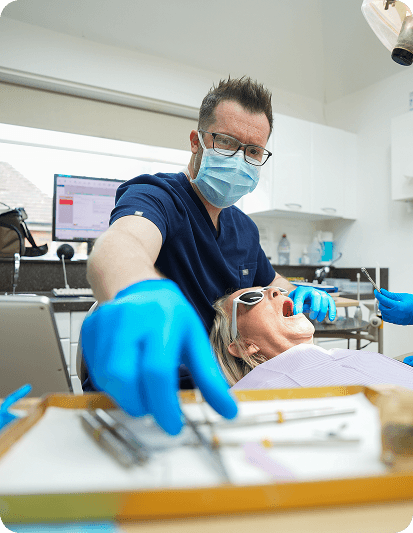
Explore questions to ask before choosing a sedation method with the clinician during an assessment.
Follow any personalised instructions the practice provides for your specific appointment.
Bring a list of current medicines and any relevant medical letters to your consultation.
Arrange practical support such as an escort if the clinician advises this after assessment.
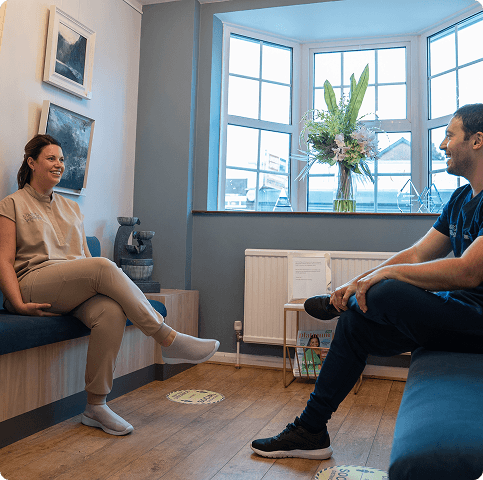
Rest as advised and follow the written aftercare instructions given by the team.
Avoid driving or operating machinery if the clinical team has instructed you not to after your procedure.
Contact the practice promptly if you develop unexpected symptoms or have questions about recovery.
If you are based in Shenfield and considering sedation dentistry, Start Smiling carries out assessments and treatment planning at its Ingatestone practice. Appointments focus on individual suitability, clear explanations and an estimate of likely costs so you can make a confident decision.