
Consultation And Assessment
01
A consultation gives you time to discuss dental anxiety, medical history, sedation suitability, benefits, risks and other options before deciding on care.
Many people put off dental care because fear or a previous upsetting experience makes routine appointments feel unmanageable, and a common patient concern is understanding why sedation is not subject to individual clinical assessment and discussion of potential risks. If you live in Vange and are exploring help, Start Smiling sees patients at its Ingatestone practice and offers individual discussions about conscious sedation and relaxation dentistry. Conscious sedation can reduce anxiety while you remain able to respond, but suitability depends on your medical history, current medicines and the planned treatment; the clinician will explain risks, likely benefits and non-medical alternatives so you can decide what is right for you.
Start Smiling Dental Practice provides private sedation and relaxation dentistry options for adult patients assessed at its Ingatestone surgery; the team discusses whether medication, relaxation approaches or staged care patient-focused supports your dental needs. Where sedation is agreed, the clinician explains the monitoring, recovery assessment and aftercare that apply to the chosen approach so you know what to expect.
Costs, availability and the most suitable approach vary by the sedation method, appointment length and the dental treatment required; the practice will provide an estimate and explain alternatives before you decide whether to proceed.

Practical Points To Help You Decide
A consultation gives you time to discuss dental anxiety, medical history, sedation suitability, benefits, risks and other options before deciding on care.
Staged visits, enhanced local anaesthesia and paced appointments may help patients complete care without medication and will be discussed if they are appropriate for you.
Certain health conditions and medicine interactions can make sedation unsuitable; the clinical review identifies these issues and recommends safe options tailored to your situation.
When sedation is used, the team follows clinical monitoring and carries out a recovery check before you leave, and provides written aftercare guidance specific to the method chosen.
Whether you need an escort or should avoid driving depends on the sedation approach and the individual instructions given after assessment.
Fees differ by sedation method, appointment length and the dental treatment required; you will receive a clear estimate and explanation before treatment proceeds.
The practice confirms which relaxation or sedation approaches are available for your appointment after a discussion of your health and treatment needs.
Bring a current list of medicines and any relevant medical letters to your consultation and follow any specific preparatory instructions the practice gives you.
We carry out a thorough medical and medicines review to determine whether sedation or an alternative is safest for you.
The team explains likely benefits, risks and alternatives so you can make an informed decision about your care.
We consider both medication-based and non-medical approaches to help patients complete necessary treatment.
Where sedation is used, clinical monitoring and a recovery assessment are part of the appointment and aftercare is provided.
You receive an estimate before treatment so you understand costs and can compare alternatives.
The practice arranges review appointments and explains when and how to contact the team about recovery concerns.
You will describe your dental concerns, previous experiences and what you want to achieve so the clinician can plan a suitable approach.
A clinician reviews your general health, medicines and any conditions that may affect suitability for sedation and decides whether medication is appropriate.
The dentist explains possible approaches, including non-sedation alternatives, likely benefits and possible risks so you can make an informed choice.
If sedation is chosen, the team outlines the appointment plan, how you will be monitored and any preparatory notes specific to your case.
During treatment clinicians monitor relevant observations and use local anaesthetic when clinically indicated; the team will confirm what monitoring applies to your situation.
After the procedure staff assess recovery and provide written aftercare instructions and guidance about any precautions you should follow.
Whether sedation is suitable is an individual judgement that depends on your medical background, current medicines, the type of dental treatment and how you respond to medication; these elements are why sedation is not appropriate for everyone. The clinician will explain any specific reasons sedation may be ruled out in your case and outline safe alternatives so you can still receive necessary dental care.
If sedation is not recommended, practical options may include breaking treatment into shorter visits, relying on effective local anaesthesia, or using relaxation strategies; the team tailors a plan to your needs and discusses the steps to help you complete treatment safely.
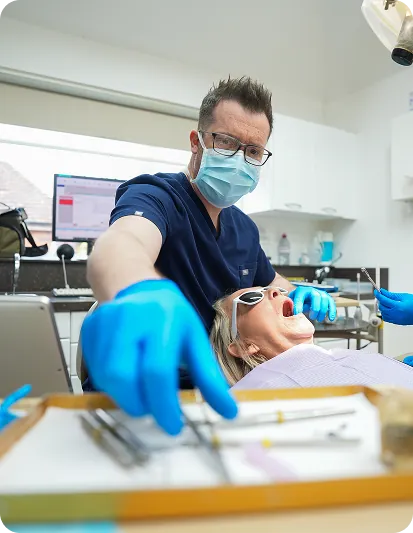
Explore understanding why sedation is not dependent on individual assessment with the clinician during an assessment.
Follow any specific instructions from the practice about eating, drinking and medicines before your appointment.
Bring an up-to-date list of all current medicines and any recent medical letters to your consultation.
Arrange practical support for travel and household tasks in case you are advised to have an escort after sedation.
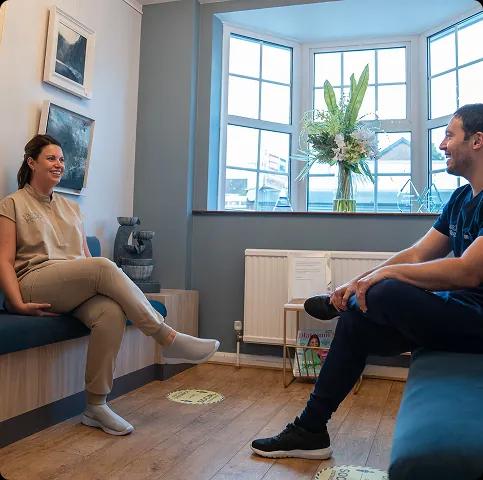
Follow the written recovery instructions provided by the clinical team after your appointment.
Do not drive only when your clinician or the aftercare advice specifies you should avoid driving.
Contact the practice promptly if you experience unexpected symptoms or have concerns during recovery.
If you live in Vange and need support for dental anxiety, Start Smiling provides sedation suitability assessments at its Ingatestone practice; appointments focus on safety, available options and agreeing a tailored plan, and the team will explain costs and next steps before you decide.