Consultation And Assessment
01
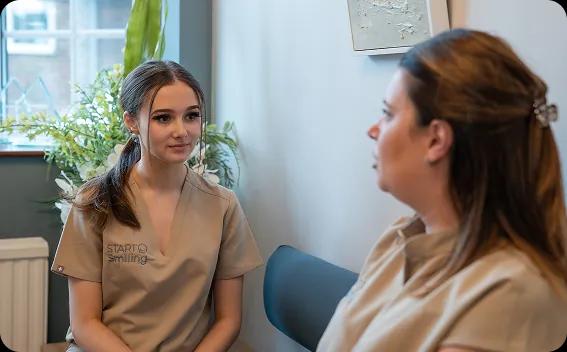
A consultation gives you time to discuss dental anxiety, medical history, sedation suitability, benefits, risks and other options before deciding on care.
Many adults delay care because they are unsure what practical support is available on the appointment day: should someone accompany them, how will their anxiety be managed while they are in the chair, and what will recovery involve afterwards? If you are searching from Warley, Start Smiling Dental Practice in Ingatestone offers private discussions of relaxation and conscious sedation so you can plan care that suits your health, current medicines and the dental work needed. A suitability assessment explains likely risks, alternatives and the written aftercare and escort advice you may need so you can decide with clear information.
Start Smiling Dental Practice welcomes private patients seeking sedation and relaxation dentistry and carries out consultations at the Ingatestone surgery. Conscious sedation involves medication to reduce anxiety while you remain conscious and able to respond; local anaesthetic may also be used when clinically indicated. The team will review your medical history, current medicines and the dental treatment proposed before recommending whether sedation is appropriate.
Where sedation is considered, the practice follows clinical monitoring, recovery checks and provides tailored aftercare instructions. Specific sedation techniques, escort needs and any driving restrictions are confirmed during the suitability assessment so you know what practical support to arrange for the appointment day.
Practical Questions You Can Ask About Appointment-Day Support
A consultation gives you time to discuss dental anxiety, medical history, sedation suitability, benefits, risks and other options before deciding on care.
Ask how early you should arrive, whether any paperwork or pre-checks are needed on the day, and whether a companion can wait nearby during treatment.
Ask what non-medical relaxation measures the team can discuss and whether appointment pacing or staged treatment might reduce the need for sedation.
Ask what monitoring will be in place during treatment, how staff will track your recovery and what signs would delay discharge.
Ask whether an escort is likely to be required after your appointment and when it will be safe to drive, since instructions vary by sedation method and individual factors.
Request written aftercare instructions and emergency contact details so you know what to do if you have concerns once you return home.
Ask for a written estimate that explains how the sedation method, appointment length and the planned dental work affect total cost.
Ask how relaxation dentistry, shorter visits or staged appointments could be used if sedation is not suitable or not preferred.
Dentists and staff discuss sedation and relaxation approaches as part of routine suitability assessments.
Recommendations are based on your health, current medicines and the dental treatment required.
You will receive an explanation of risks, benefits and alternatives before any sedation is offered.
The practice follows clinical monitoring and recovery checks tailored to the chosen approach.
Aftercare instructions and any escort or driving guidance are provided according to what is confirmed at assessment.
Private consultations include a pre-treatment discussion and a written plan so you understand the next steps.
You will describe previous experiences, current worries and what you would like from care so the team understands your concerns.
Your medical conditions and medicines are reviewed to identify whether conscious sedation is medically appropriate and safe for you.
The clinician will outline possible approaches, explain conscious sedation, and answer appointment-day questions about monitoring and support.
A clear treatment plan covers the steps involved, likely appointment length and any arrangements you need to make, such as an escort if advised.
If sedation is used, appropriate clinical monitoring is carried out and local anaesthetic may be given when clinically indicated.
Staff assess your recovery, provide written aftercare instructions and confirm any activity or driving guidance before you leave.
A personalised discussion will identify whether conscious sedation might help with anxiety, a strong gag reflex, or the need for longer appointments; not everyone needs or wants sedation and some people are supported with non-sedation relaxation approaches after discussion.
During the suitability assessment you should raise the practical question that causes most concern: what support will be available on the appointment day? The team will explain who should accompany you, how monitoring and recovery checks will work and what written aftercare and contact arrangements you will receive so you can plan travel and support.
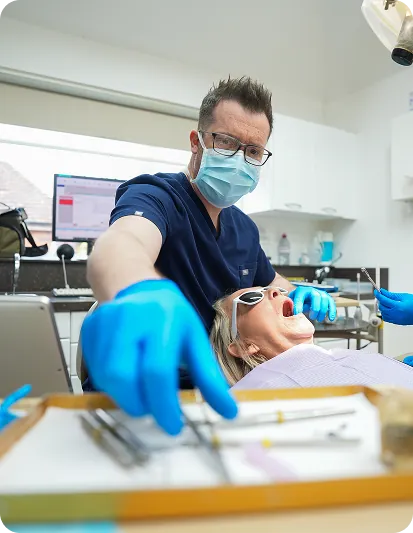
Explore what a patient can ask about appointment-day support with the clinician during an assessment.
Bring a current list of medicines and any recent medical letters to your consultation for a complete suitability check.
Arrange transport or a companion if the team indicates an escort may be required after the appointment.
Write down the appointment-day questions you want to ask so the consultation covers arrival, monitoring and recovery concerns.
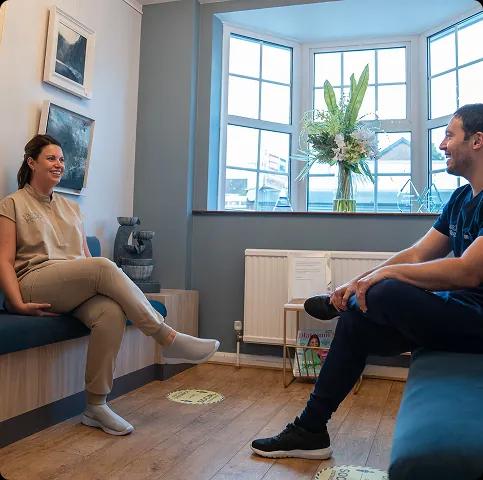
Expect to receive written recovery instructions tailored to the sedation method confirmed at assessment.
Follow any activity or driving guidance the clinician gives for your safety after treatment.
Contact the practice promptly if you develop unexpected symptoms or have concerns once you are home.
Start Smiling Dental Practice is based in Ingatestone and welcomes patients travelling from Warley for private consultations about sedation and relaxation dentistry. The team will confirm arrival, escort and recovery details during your suitability appointment so you can plan travel and support with confidence.