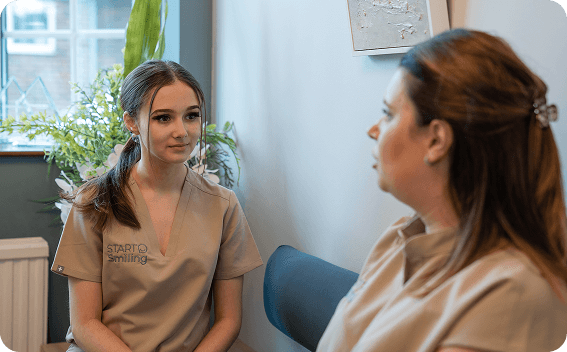
Consultation And Assessment
01
A consultation gives you time to discuss dental anxiety, medical history, sedation suitability, benefits, risks and other options before deciding on care.
Worry that panic, a strong gag reflex or past negative experiences are stopping you getting the treatment you need? For many people the choice between anxiety management and pain control is central to planning care, and understanding how sedation and local anaesthetic perform different roles helps you make that choice. Sedation dentistry focuses on reducing anxiety while you remain conscious; local anaesthetic numbs the treatment area to prevent pain. Start Smiling sees patients from Writtle at its Ingatestone practice and will discuss your medical background, treatment aims and alternatives so you can decide what approach is appropriate for your appointment.
Start Smiling Dental Practice offers private sedation and relaxation dentistry consultations at the Ingatestone practice where clinicians take time to explain options, risks and alternatives for nervous patients. Before any sedation is considered we review your medical history and current medications, discuss the dental treatment required and explain monitoring, recovery and aftercare arrangements so you can make an informed decision.
Private care varies by the sedation approach chosen, the planned appointment length and the dental treatment required, and the practice will provide a written estimate before you agree to proceed.
Practical Points To Help You Decide
A consultation gives you time to discuss dental anxiety, medical history, sedation suitability, benefits, risks and other options before deciding on care.
We explore non-sedation strategies and whether relaxation dentistry or conscious sedation may better address fear, panic or a strong gag reflex for your treatment.
The dentist clarifies where local anaesthetic will be used to numb a specific area and when sedation is intended primarily to reduce anxiety rather than to provide pain relief.
Sedation may be discussed for longer or more complex appointments that would otherwise cause distress; the team explains likely appointment times and what to expect.
If sedation is selected, the practice outlines clinical monitoring during the appointment and the recovery checks used before discharge.
Guidance about escorts or driving restrictions depends on the sedation method and your individual instructions, and the team provides this after assessment.
Some patients complete treatment using non-sedation approaches; the consultation considers behavioural support, relaxation options and staged care where appropriate.
You receive a clear written cost estimate and time to ask questions before you consent to any sedation or dental treatment.
Calm, patient-focused care in Ingatestone, with sedation suitability, risks and alternatives explained before treatment.
Recommendations are tailored to your medical history, current medications and the specific dental work you need.
You are given plain explanations of the likely benefits, possible risks and realistic alternatives before any decision is made.
Where sedation is used, the practice follows accepted procedures for clinical checks and recovery assessment.
Patients and the dental team choose the most suitable approach together, considering non-sedation and sedation options.
Estimated fees for sedation and treatment are explained in writing so you understand financial implications before proceeding.
We start by discussing what makes visits difficult for you and what outcomes you want from treatment.
Your general health, current medications and any previous reactions to sedatives or anaesthetics are reviewed to assess suitability.
The dentist explains how conscious sedation differs from local anaesthetic, possible alternatives and the benefits and risks relevant to your situation.
A treatment plan sets out the stages of care, how sedation might fit in and any specific preparations the practice will ask you to follow.
If sedation is chosen, appropriate monitoring and clinical checks take place throughout the appointment with local anaesthetic used when clinically indicated.
After the appointment the team assesses recovery, issues written aftercare advice and explains any escort or driving guidance that applies to you.
Sedation dentistry is often aimed at reducing fear and helping patients remain relaxed while they follow instructions; local anaesthetic is used to numb the specific treatment area so you do not feel pain. Many patients receive both approaches so that anxiety and pain are managed together, and the consultation will explain why one or both are recommended for your procedure.
Suitability depends on your overall health, medications, the complexity of the dental work and your personal preferences. The assessment identifies any medical risks, considers alternatives and helps you plan practical arrangements such as transport or time off, which the team will confirm after the consultation.
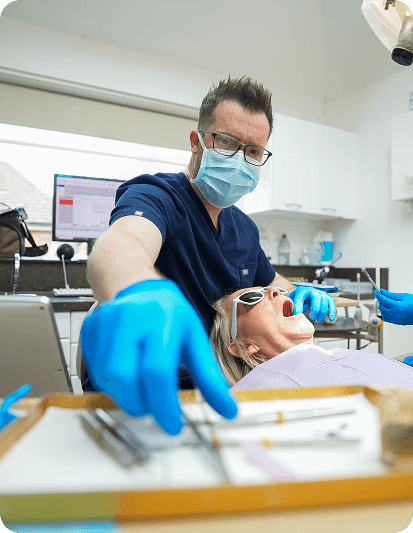
Explore how sedation and local anaesthetic have different roles with the clinician during an assessment.
Follow any specific instructions the practice gives about medication or fasting because requirements vary by sedation method and individual assessment.
Bring a current list of your medications and note any previous reactions to sedatives or anaesthetics so the team can check suitability.
Plan practical arrangements such as someone to accompany you or alternative transport if the dentist advises this after assessment.
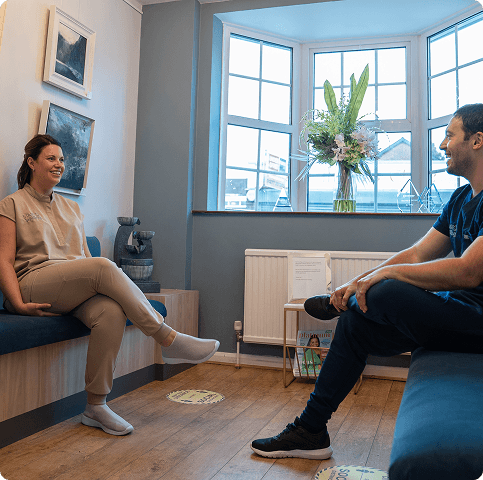
Follow the written aftercare advice the practice provides for the sedation method used on the day of your appointment.
Avoid driving or operating machinery only if the team advises a restriction after your procedure and until you have been cleared.
Contact the practice promptly if you experience unexpected symptoms after sedation or dental treatment so the team can advise next steps.
Patients from Writtle attend Start Smiling’s Ingatestone practice for sedation and relaxation dentistry consultations and treatment. The team will discuss how to plan your visit and any escort or transport needs after assessing the sedation method that may be appropriate; please mention travel concerns when booking so staff can advise.