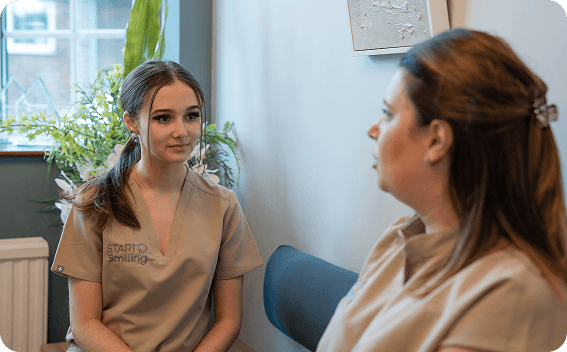
Consultation And Assessment
01
A consultation gives you time to discuss natural tooth colour, tooth and gum health, sensitivity and realistic shade expectations before deciding on care.
If you are thinking about whitening your teeth at home, dentist supervision covers more than recommending a product: it begins with a clinical assessment of gums, enamel and any restorations, identifies likely causes of staining and sets realistic expectations for shade change. Under supervision the dentist can advise whether custom trays are appropriate, supply a professional gel to be used exactly as directed and plan review appointments so any sensitivity or gum irritation is managed promptly. Supervision also clarifies that whitening lightens natural teeth but will not change crowns, veneers, bridges or fillings, and that alternatives such as dental hygiene or restorative work may be recommended first.
Professional, dentist-supervised teeth whitening is available from Start Smiling at the Ingatestone practice and can include at-home tray options when clinically appropriate. A supervised home programme typically involves a suitability check, personalised instructions, and follow-up so the dentist can monitor results and any sensitivity.
Whitening targets natural enamel rather than restorations such as porcelain veneers, crowns or composite fillings. If you are considering treatment, ask about a new patient consultation, whether a hygiene appointment is recommended beforehand and how a staged plan might fit within general dentistry care at the practice.
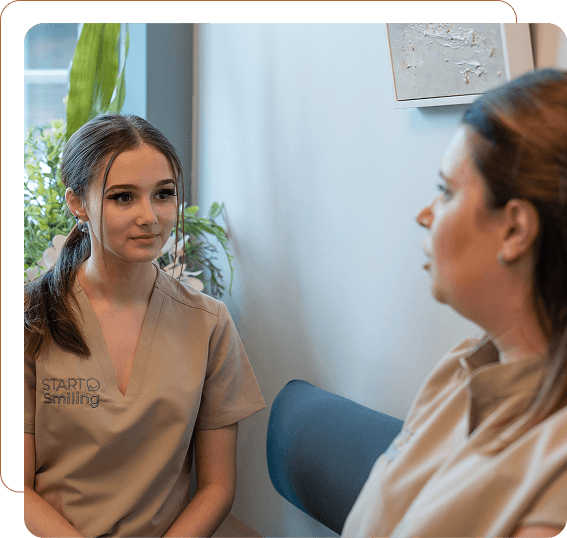
Professional whitening begins with oral-health assessment, realistic shade goals and individually explained instructions.
A consultation gives you time to discuss natural tooth colour, tooth and gum health, sensitivity and realistic shade expectations before deciding on care.
When stains originate within the tooth, controlled whitening under dentist supervision can sometimes reduce their appearance, though individual response differs and expectations should be realistic.
Whitening is different from a dental hygiene appointment: cleaning removes external deposits, while whitening aims to change the intrinsic shade of natural enamel rather than only removing plaque.
Yellowing related to ageing or lifestyle factors such as tea, coffee and tobacco can often respond to treatment, but results vary by cause and individual biology.
Temporary tooth sensitivity or mild gum irritation can occur; a supervised programme allows the dentist to suggest adjustments, pauses or remedies if sensitivity arises.
Whitening affects natural tooth tissue only and will not change the colour of existing crowns, veneers, bridges or fillings; planning may include timing restorative work to match a new shade.
When custom trays are suitable they are made from impressions so gel is delivered evenly; the dentist provides written instructions on wear times and monitoring to reduce risk during at-home use.
Some patients benefit from a dental hygiene visit before whitening or a staged plan that combines in-practice checks with home treatment; your dentist will recommend what is appropriate.
If you are unsure which approach suits you, ask about a new patient consultation and the practice fee guide when booking.
Treatments are provided under clinician oversight so suitability and progress can be assessed and any issues managed.
The team reviews oral health, sensitivity and existing restorations before recommending a whitening option.
Written instructions and tailored aftercare are supplied to support safe home whitening and sensible expectations.
Custom trays may be offered following assessment to help fit and gel delivery for an at-home programme.
When provided, whitening gel is prescribed and used as directed by the treating dentist to reduce risks.
Follow-up appointments and advice on maintenance, stain prevention and possible restorative timing are part of the care pathway.
You will explain your concerns and smile goals while the clinician notes any previous dental work so expectations are recorded.
The dentist reviews medical and dental history, checks for decay or gum disease and confirms whether whitening is appropriate for your mouth.
Available supervised approaches, the difference between whitening and a hygiene clean, and how existing restorations may be affected are explained.
If home tray whitening is recommended, impressions for custom trays may be taken and written instructions, timing and follow-up agreed.
You receive clear directions on gel application, wear times and signs to report; monitoring visits help manage sensitivity or irritation if needed.
Aftercare advice covers temporary sensitivity, stain-prevention steps and when to book a review or a dental hygiene appointment to support results.
Teeth whitening can improve the shade of natural teeth for many adults, but suitability depends on oral health and individual factors. People with untreated decay, active gum disease, significant sensitivity or certain kinds of restorations may be advised to treat these issues first or consider alternative cosmetic options rather than immediate whitening.
Under-18s are generally not candidates for cosmetic whitening in the UK except in limited clinical circumstances. Your dentist will discuss realistic expectations, whether whitening should be combined with restorative work such as replacing mismatched crowns or porcelain veneers, and whether a phased approach including dental hygiene is preferable.
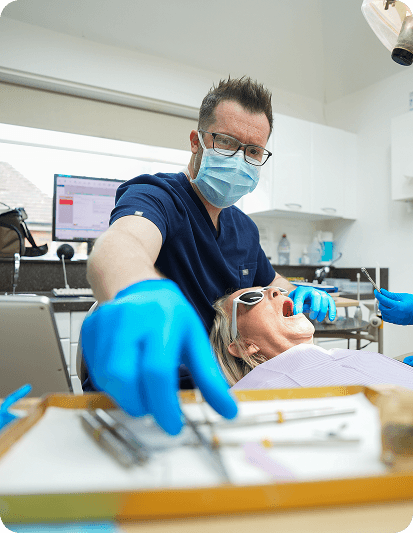
Ask for individual advice about dentist supervision at home, possible limitations and any aftercare instructions that apply.
Attend any recommended dental hygiene appointment so surfaces are clean before whitening begins.
Tell the dentist about medications, pregnancy, breastfeeding or health conditions during your assessment.
Do not proceed if you have active tooth decay or untreated gum disease until these problems are managed.
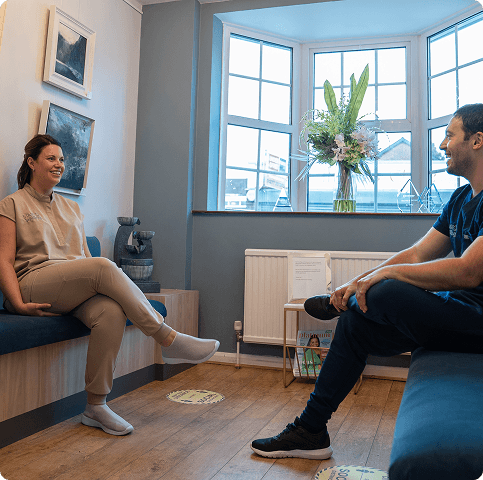
Expect possible short-term sensitivity and use only the products and schedules recommended by your dentist.
Limit staining foods and drinks while following the dentist’s personalised timeline for reintroduction.
Book follow-up or review appointments as advised to check results and overall oral health.
Follow the practice's written instructions and contact the team if you experience unexpected pain or prolonged irritation.
Start Smiling delivers whitening consultations and supervised treatment from its Ingatestone practice; an in-person assessment matters because most supervised home programmes require a clinical check, possible impressions for custom trays and at least one review to confirm suitability and manage restorations or sensitivity. Whitening suitability is discussed at the Ingatestone practice, where a dentist can review dental history, tooth colour and sensitivity.