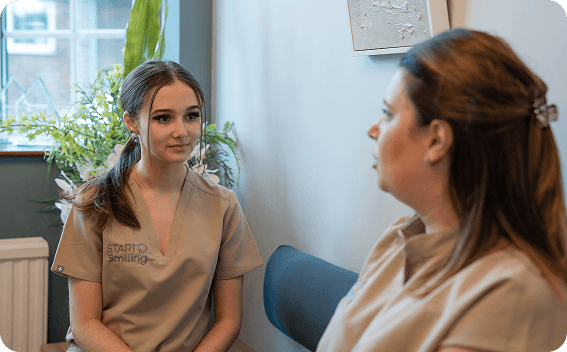
Consultation And Assessment
01
A consultation gives you time to discuss natural tooth colour, tooth and gum health, sensitivity and realistic shade expectations before deciding on care.
If you are wondering what to ask about professional whitening gels, begin with a dentist-led discussion about suitability, application and aftercare. A dentist will check your oral health, any restorations and previous sensitivity before recommending a supervised approach; that assessment decides whether a gel, custom trays or a different cosmetic option is appropriate. Useful questions include which gel formulations the practice uses, how you should apply them, how long sensitivity might last and what to do afterwards to protect your new shade. A tailored plan from your dentist reduces risk and sets realistic expectations rather than relying on general online instructions.
Professional teeth whitening with dentist supervision begins with an assessment of your natural teeth and gums. At Start Smiling the team explain how whitening differs from a hygiene clean, dental hygiene removes surface deposits, while whitening aims to change the natural tooth shade.
Whitening can lighten natural teeth but will not change the colour of crowns, veneers, bridges, dentures or fillings. The dentist will discuss whether supervised at-home trays, a monitored approach or an alternative cosmetic solution is best for you and will provide personalised aftercare guidance to help manage sensitivity and maintain results.
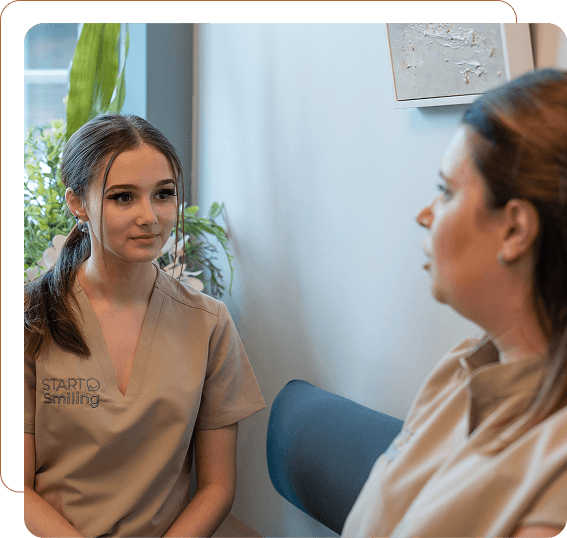
Professional whitening begins with oral-health assessment, realistic shade goals and individually explained instructions.
A consultation gives you time to discuss natural tooth colour, tooth and gum health, sensitivity and realistic shade expectations before deciding on care.
The dentist will explain which kinds of staining are most likely to respond to whitening and which may need other cosmetic care such as replacement of porcelain veneers or shading adjustments.
Discuss which professional gels the practice uses, how they are applied safely in trays or under supervision, and any limits or special instructions that apply to your treatment plan.
If custom trays are recommended, the team will show how to load the tray with the correct gel quantity, advise on wear times and storage, and explain how to spot gum irritation.
Temporary sensitivity is a common effect; the practice can suggest steps such as adjusted wear schedules or desensitising products and will give tailored aftercare to help reduce discomfort.
A dentist will set realistic expectations about possible shade change and emphasise that whitening affects natural enamel only, avoiding promises about exact numbers of shades or permanence.
Aftercare advice covers stain-reducing habits, suitable toothpastes and the role of regular hygiene appointments in supporting longer-lasting benefits from treatment.
Talk about existing crowns, veneers or fillings early so the dentist can plan any matching or future restorative work around a new natural tooth shade.
All whitening is offered under dentist supervision so suitability, safety and realistic outcomes are assessed before gel use is advised.
We review restorations, sensitivity and overall oral health to recommend an individual plan rather than a standard prescription.
Patients receive personalised aftercare to manage sensitivity and protect results, with guidance that complements your dental hygiene routine.
Where appropriate, the team can provide custom-tray solutions for supervised at-home whitening alongside advice about combine approaches where clinically suitable.
Treatments are provided by qualified clinicians at the Ingatestone practice and follow recognised professional guidance for cosmetic dentistry.
A review appointment helps check outcomes, discuss any concerns and decide whether further steps or matched restorations are needed.
We begin by discussing your goals, previous experience with whitening products and any specific questions you have about professional gel guidance.
Your medical and dental history are reviewed to identify anything that would affect whitening, such as untreated decay, gum disease or notable sensitivity.
The dentist explains supervised at-home trays, monitored approaches and the interaction between whitening and any existing restorations like crowns or veneers.
If suitable, the team outlines a plan including how to use any professional gel, suggested wear times, monitoring arrangements and realistic expectations.
During any supervised phase you will receive clear instructions on gel application and quantities, plus checks to spot irritation or undesired sensitivity.
Aftercare covers short-term sensitivity management, stain-prevention advice and when to return for a review or further dental care.
Deciding whether whitening is right for you depends on the condition of your natural teeth, the type of staining and whether you have crowns, veneers or large restorations that will not change colour with whitening. The dentist will outline alternatives where whitening is unlikely to meet your expectations.
Young people under 18 are usually not treated for cosmetic whitening except in limited clinical circumstances. If sensitivity, gum disease or decay is present these issues must be addressed before any gel-based whitening is considered and the dentist will advise on a safe pathway.
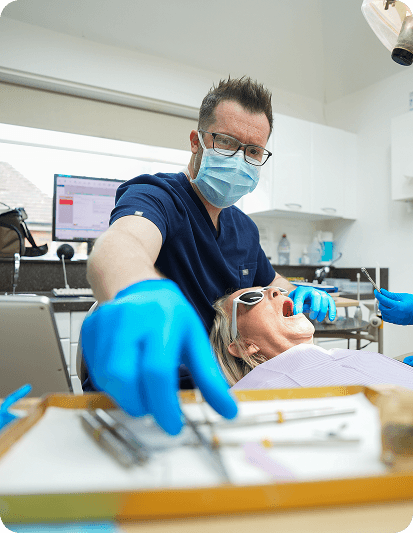
Ask for individual advice about professional gel guidance, possible limitations and any aftercare instructions that apply.
Bring a list of any medicines and details of past dental work to your appointment.
Avoid starting over-the-counter bleaching immediately before your consultation to allow a proper assessment.
Mention any history of tooth sensitivity or reactions to dental products so the dentist can plan accordingly.
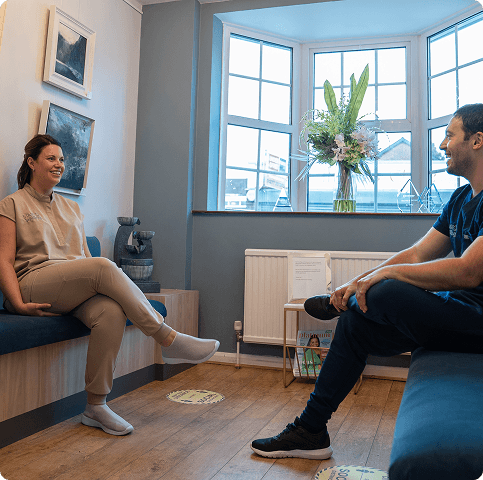
Discuss how to use any professional gel and what to do if you experience irritation or heightened sensitivity.
Ask how long sensitivity might reasonably be expected to last and which desensitising products the practice recommends.
Follow the practice’s personalised aftercare plan rather than general online instructions to protect your results.
Consultations and whitening assessments take place at the Start Smiling practice in Ingatestone so you receive dentist-led advice, a full oral check and a personalised plan. Attending for a consultation ensures suitability checks for gels, consideration of restorations such as porcelain veneers and an informed discussion about options, aftercare and next steps.