Consultation And Assessment
01
A consultation gives you time to discuss natural tooth colour, tooth and gum health, sensitivity and realistic shade expectations before deciding on care.
If you are wondering why a whitening treatment can change the colour of your natural teeth but not your crowns, here is the essential explanation and what to discuss at your appointment. Professional whitening acts on the chemical stains inside enamel and dentine of natural teeth; restorative materials such as porcelain or composite set colours that do not respond in the same way. That means a restoration that once matched may look different after natural teeth are lightened. A dentist will identify which teeth are natural and which are restorations, explain realistic options such as replacing or matching crowns after whitening, and agree a plan that reflects your smile goals and oral health.
Patients searching from Blackmore are welcome to discuss dentist-supervised teeth whitening at Start Smiling Dental Practice in Ingatestone. The team offers an assessment of your natural teeth and gums, explains how whitening differs from a hygiene appointment and can advise whether custom tray whitening, a monitored at-home approach or another pathway is appropriate for you.
Because crowns, veneers, bridges and fillings do not change shade with whitening, your dentist will consider restorative work alongside any whitening plan. Options may include selecting a new shade for replacement restorations after whitening or combining whitening with other cosmetic steps; these are considered during a new patient consultation and tailored to your needs.
Professional whitening begins with oral-health assessment, realistic shade goals and individually explained instructions.
A consultation gives you time to discuss natural tooth colour, tooth and gum health, sensitivity and realistic shade expectations before deciding on care.
Professional whitening works by altering intrinsic staining within enamel and dentine, which can make natural teeth appear lighter over a course of treatment under dentist supervision.
A hygiene visit can remove external deposits from tea or coffee; whitening targets deeper discolouration due to ageing, trauma or medication history rather than surface plaque alone.
Crowns, porcelain veneers and composite fillings usually keep their existing colour, so the dentist will explain how restorations may appear after whitening and whether replacement or blending strategies are required.
In suitable cases the team may recommend whitening natural teeth first, then replacing or adjusting restorations to harmonise shade; any combined plan is explained without promising exact outcomes.
When clinically appropriate, custom-made trays can be supplied for supervised at-home whitening; instructions, gel strength and timing are personalised rather than fixed for every patient.
Some people experience temporary sensitivity or mild gum irritation; the dentist reviews sensitivity history, suggests ways to reduce discomfort and monitors your response during treatment.
Results vary by individual and lifestyle; the dentist will advise on maintenance, appropriate touch-ups and the role of routine dental hygiene to help preserve a lighter shade.
Discuss restorations and realistic outcomes during your assessment so any follow-up restorative care can be planned.
All whitening is provided under dentist supervision with clinical checks to assess suitability and monitor sensitivity throughout treatment.
The team takes restorations and overall oral health into account when planning whitening, so expectations about crowns and veneers are managed from the start.
Custom trays may be offered where appropriate and instructions are tailored to individual needs rather than applying a single schedule to everyone.
Whitening gels are used as directed by the dentist with progress checks and adjustments as needed to support comfort and outcomes.
You will receive review appointments and aftercare guidance to manage sensitivity and discuss any restorative steps once natural teeth have been lightened.
Start Smiling Dental Practice is at 5 Market Place, Ingatestone, Essex, CM4 0BY and can be contacted by telephone on 01277 353456.
You will explain your goals, any previous whitening attempts and any concerns about crowns or other restorations so the dentist understands the desired result.
A review of dental and medical history identifies any contraindications, active decay or gum issues that should be treated before whitening is considered.
The dentist describes professional whitening, hygiene care, supervised at-home trays where suitable and how restorations may influence the final appearance.
If whitening is appropriate a personalised plan is agreed, possibly including a hygiene appointment or restorative review so results and restorations can be coordinated.
Whitening is carried out or arranged with monitoring for sensitivity and progress; your dentist may adapt recommendations during the course of treatment.
You receive guidance on managing sensitivity, when to avoid heavily staining items temporarily and how routine dental hygiene and touch-ups can help maintain results.
Teeth whitening suits many adults whose natural teeth have darkened from factors such as tea, coffee, smoking, ageing or trauma, but it is not appropriate for everyone. An assessment is necessary to address active dental problems, very thin enamel, pregnancy exceptions and to confirm that whitening will not worsen existing issues; cosmetic whitening is not offered for under-18s except in limited clinical circumstances.
If you have crowns, porcelain veneers or large composite fillings, the dentist will explain how they may affect the overall look and whether replacement restorations after whitening or other cosmetic steps are sensible. The practice will set realistic expectations about sensitivity, the need for maintenance and how whitening fits with dental hygiene and wider restorative or general dentistry care.
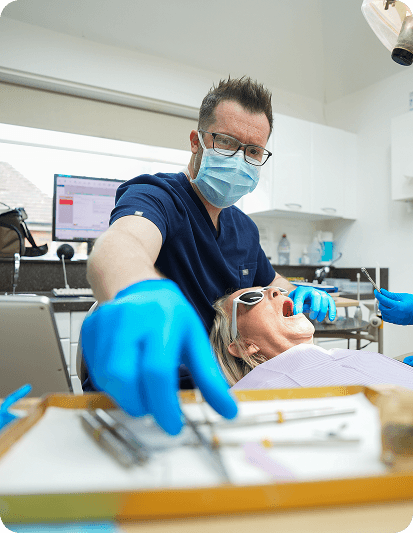
Ask for individual advice about whitening with crowns, possible limitations and any aftercare instructions that apply.
Book any necessary hygiene or restorative checks before whitening.
Avoid using unregulated home whitening products without a dentist’s assessment.
Bring a list of current medications to your appointment.
Follow your dentist’s personalised instructions about timing and care.
Report any sensitivity early so the team can offer support.
Plan for possible follow-up visits to review restorations and results.
A written estimate and plan are provided after a suitability conversation.
Start Smiling provides dentist-supervised whitening consultations and any required assessments at its Ingatestone practice; that clinical setting allows the team to examine restorations, plan any restorative work and monitor whitening under professional care. Whitening suitability is discussed at the Ingatestone practice, where a dentist can review dental history, tooth colour and sensitivity.