Consultation And Assessment
01
A consultation gives you time to discuss natural tooth colour, tooth and gum health, sensitivity and realistic shade expectations before deciding on care.
Before any whitening is offered, your dentist needs to assess teeth and gums to reduce the chance of avoidable problems and to make sure treatment is appropriate. An oral examination looks for untreated decay, gum disease, enamel loss and existing sensitivity that may mean whitening should wait or be adapted. The check also identifies crowns, veneers, bridges and fillings that will not change shade so expectations can be set. With a clear record of oral health the dentist can recommend the best approach, explain likely temporary effects such as sensitivity or gum irritation, and plan suitable aftercare to protect your smile.
If you live near Chelmsford and are thinking about cosmetic whitening, Start Smiling offers dentist-supervised options from its Ingatestone practice. The team will check natural tooth shade, discuss any restorations and explain how whitening differs from a dental hygiene clean so you understand its likely benefits and limits.
A suitability conversation is the first step: this might be recorded as a new patient consultation or a whitening consultation depending on your dental history. The clinician can advise whether whitening should follow restorative work or be combined with other cosmetic care such as porcelain veneers, and will suggest aftercare to protect results.
Professional whitening begins with oral-health assessment, realistic shade goals and individually explained instructions.
A consultation gives you time to discuss natural tooth colour, tooth and gum health, sensitivity and realistic shade expectations before deciding on care.
Professional whitening can reduce discolouration in natural enamel caused by tea, coffee, smoking, ageing or some medicines, though individual responses differ.
Deeper or intrinsic stains respond variably; your dentist will assess whether whitening or another cosmetic solution is more likely to help.
Checking for gum inflammation and untreated decay before whitening helps protect teeth during treatment and reduces the risk of increased sensitivity.
Pre-existing sensitivity is identified at assessment so the clinician can recommend gentler protocols or desensitising measures where needed.
Whitening affects natural teeth but not crowns, veneers, bridges or fillings, so discussion about timing and possible replacement of restorations is part of planning.
Your dentist will explain factors that affect how long results last and provide tailored guidance to minimise re-staining from diet and habits.
Dentist supervision ensures products are used safely; follow-up appointments allow monitoring and adjustment if gums or teeth react.
Clinical oversight ensures suitability is checked and progress is monitored throughout any whitening plan.
The practice assesses natural teeth and gums, existing restorations and sensitivity before recommending whitening.
Recommendations are tailored to your oral health, expectations and lifestyle rather than offering one-size-fits-all promises.
Custom trays can be provided for supervised at-home use if they suit your clinical needs and fit is verified.
Materials are used under dentist instruction with monitoring for safety and effectiveness; the team will not recommend unregulated products.
Follow-up appointments are offered to manage sensitivity, check results and advise ongoing care to preserve shade.
You will explain what you hope to change and the dentist will outline realistic outcomes, limitations and whether any restorations affect expected results.
A review of general health, medicines and dental history is combined with an oral examination to spot decay, gum disease or sensitivity that may need treatment first.
Different approaches such as supervised at-home tray whitening or combined in-practice steps are explained without guaranteeing a specific method or final shade.
A personalised plan is proposed which may include a hygiene appointment first, custom trays when appropriate, and clear instructions for use and aftercare.
If treatment proceeds under dentist supervision, gel application or tray use is monitored and adjustments are made if sensitivity or gum irritation occur.
You will receive tailored advice on managing temporary sensitivity, lifestyle factors that affect stain return, and when to seek a review if problems persist.
Teeth whitening can be suitable for many adults who have healthy or treatable mouths and want to reduce staining of natural enamel, but it is not right for everyone. If you have untreated cavities, active gum disease, extensive enamel loss or significant sensitivity the dentist may recommend addressing these problems before recommending whitening or an alternative cosmetic solution.
Younger people under 18 are generally not suitable for cosmetic whitening except in very limited clinical circumstances. The dentist will discuss how restorations such as crowns or veneers interact with whitening, set realistic expectations about likely change and longevity, and suggest personalised aftercare to protect both teeth and gums.
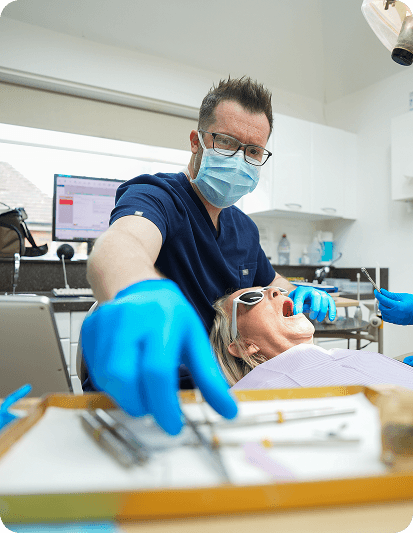
Ask for individual advice about teeth and gum health, possible limitations and any aftercare instructions that apply.
Attend with any recent dental records or information about past restorations.
Avoid whitening if you have active mouth ulcers or severe gum inflammation until these are treated.
Bring a list of current medicines to your suitability conversation.

Follow the dentist’s personalised instructions about product use and sensitivity control.
Expect that a dental hygiene appointment may be advised before whitening to remove external deposits.
Contact the practice if you notice prolonged sensitivity or gum irritation after treatment.
Choosing a consultation at the Start Smiling practice in Ingatestone gives you a dentist-led suitability check that focuses on mouth health before cosmetic care. That initial assessment clarifies whether whitening, a hygiene appointment or restorative general dentistry should come first so you can plan the safest and most effective route to improve your smile.