Consultation And Assessment
01
A consultation gives you time to discuss natural tooth colour, tooth and gum health, sensitivity and realistic shade expectations before deciding on care.
Deciding whether to whiten your teeth is often less about a promised shade and more about making an informed whitening decision that suits your mouth, budget and tolerance of possible side effects. A dentist will check the condition of your natural teeth and gums, review any existing restorations and discuss likely outcomes so you understand what is realistic for you. Staining can come from drinks, smoking, ageing, trauma or medicine and responds differently in each case. This page explains how dentist-supervised whitening is assessed and provided at the Ingatestone practice so you can weigh options such as tray-based approaches, hygiene care, or cosmetic restorations without expecting a fixed final shade.
If you live in Danbury and are interested in cosmetic whitening, Start Smiling offers dentist-supervised consultations and treatments carried out at the practice in Ingatestone. Before any treatment is recommended the dentist will assess oral health, check for untreated decay or gum disease, and explain how teeth whitening differs from a professional dental hygiene appointment and when both may be appropriate.
The team can discuss tailored approaches such as at-home trays when clinically suitable, and how whitening may fit with other cosmetic work like porcelain veneers. Whitening changes the colour of natural teeth only; crowns, veneers, bridges and fillings are not altered, so the dentist will explain how restorative work might affect the final appearance and any further steps to harmonise your smile.
Professional whitening begins with oral-health assessment, realistic shade goals and individually explained instructions.
A consultation gives you time to discuss natural tooth colour, tooth and gum health, sensitivity and realistic shade expectations before deciding on care.
Professional whitening aims to alter the colour of natural enamel; how much change you see depends on the type of staining and your individual response rather than a fixed final shade outcome.
Discolouration from tea, coffee, tobacco, ageing or previous dental trauma often responds to whitening, but deeper intrinsic stains or medication-related changes can be less predictable.
A hygiene appointment removes surface deposits and is often recommended before whitening to ensure the best possible baseline for results and oral health.
Because whitening does not change crowns, veneers, bridges or fillings, the dentist will advise if restoration replacement or additional cosmetic work could be needed to achieve a consistent result.
Temporary sensitivity or mild gum irritation can occur; the practice will discuss measures to reduce discomfort and how to monitor and manage any reaction during or after treatment.
Where appropriate, the dentist can outline staged plans that may combine controlled at-home trays with other cosmetic options, always tailored to your oral health and expectations.
You will receive practical advice on lifestyle factors, hygiene routines and maintenance to help prolong improvements rather than promising permanent whiteness.
A suitability conversation helps the dental team recommend the safest, most effective route for your mouth rather than promising a specific number of shades.
All whitening is overseen by qualified dentists who assess suitability, tailor treatment and monitor your response throughout the process.
We check for decay, gum issues, sensitivity and the presence of restorations so any recommendation is appropriate and safe for your mouth.
You will be given realistic expectations, potential side effects and alternative options so you can weigh whitening against other cosmetic routes such as veneers.
The practice can provide bespoke trays for at-home whitening where clinically suitable; the dentist decides whether this option is appropriate for you.
Only approved professional gels are supplied or applied under dental supervision and according to the practice protocol to reduce risk and ensure correct use.
Follow-up appointments and aftercare advice form part of the service so sensitivity and results are monitored and maintained as far as possible.
You will describe your goals and the dentist will explain realistic outcomes, alternatives and the information needed to reach an informed whitening decision.
The dentist will review your health, medications, sensitivity, and check for decay, gum disease or restorations that affect whether whitening is appropriate.
Different approaches, including whether custom trays are suitable, will be covered alongside likely benefits and possible side effects so you can choose confidently.
If whitening is suitable, the dentist will outline a personalised plan in general terms, address any preparatory hygiene or restorative work and set expectations for aftercare.
Whitening is performed or supervised by the dental team and monitored to manage sensitivity and ensure the chosen approach remains appropriate for your teeth.
You will receive clear instructions for short-term care, advice about limiting staining foods and drink, and guidance on when to attend a review appointment.
Teeth whitening can suit many adults seeking to reduce discolouration of natural teeth, but it is not suitable for everyone. The dentist will consider oral health, untreated problems, existing restorations and sensitivity when advising whether whitening, a hygiene appointment or cosmetic restorations such as porcelain veneers would better meet your goals.
Cosmetic whitening is generally not recommended for under-18s except in limited clinical circumstances that must be discussed with a dentist. Keep in mind that individual response varies, results are not permanent and ongoing habits influence longevity; the practice will help you make an informed whitening decision that balances benefits and limitations.
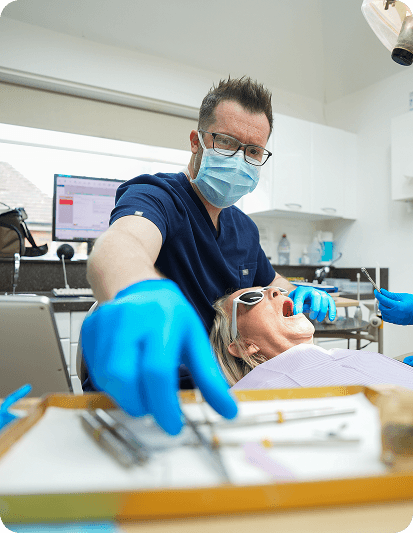
Ask for individual advice about an informed whitening decision, possible limitations and any aftercare instructions that apply.
Complete any required medical and medication disclosures on your forms before attending.
Bring details of recent dental work and any existing restorations to the appointment.
Avoid using whitening products from unregulated sellers before your suitability assessment.
Follow the dentist’s personalised instructions on managing sensitivity after treatment.
Limit heavily staining foods and drinks as advised for the short term to protect results.
Attend any arranged review appointments so the team can check progress and comfort.
If you are unsure about preparation or aftercare, the dentist will provide written guidance tailored to your treatment plan.
Choosing a consultation at the Ingatestone practice means the dentist who assesses you will also plan any follow-up care and review. A suitability conversation allows the team to check for untreated issues, arrange necessary hygiene or restorative work and recommend the right cosmetic route rather than relying on general claims.