Consultation And Assessment
01
A consultation gives you time to discuss natural tooth colour, tooth and gum health, sensitivity and realistic shade expectations before deciding on care.
If tea or coffee leaves a noticeable tint on your teeth you will naturally want to know whether whitening can restore a brighter shade. Tea and coffee typically cause surface staining that a dental hygiene appointment may reduce, and dentist-supervised whitening can further change the shade of natural enamel and dentine when appropriate. Start Smiling dentists assess your oral health, check for untreated decay or sensitivity, and explain whether a hygiene clean, an at-home tray option or another supervised approach is the most suitable next step. Whitening does not alter crowns, veneers, bridges, dentures or existing fillings.
Start Smiling Dental Practice provides dentist-supervised professional teeth whitening from its Ingatestone clinic. The team assesses natural teeth and gum health before recommending options, provides personalised guidance, and will discuss the suitability of custom trays when appropriate. Professional whitening gels are applied as directed and treatment is followed by review and aftercare advice tailored to your needs.
Whitening affects natural tooth structure only and will not change the colour of crowns, veneers, bridges or fillings. Causes of discolouration include tea, coffee, smoking, ageing, trauma and some medicines; individual response varies. Temporary sensitivity or gum irritation can occur for some people, and the dentist will consider sensitivity history during your new patient consultation and general dentistry assessment.
Professional whitening begins with oral-health assessment, realistic shade goals and individually explained instructions.
A consultation gives you time to discuss natural tooth colour, tooth and gum health, sensitivity and realistic shade expectations before deciding on care.
Tea and coffee often leave deposits on enamel that a professional dental hygiene clean can reduce; removing surface stains can improve results from subsequent whitening.
Whitening treatments aim to alter the colour of natural enamel and dentine to make teeth appear lighter; individual results vary and a precise final shade cannot be promised.
Existing restorations such as porcelain veneers, crowns or fillings will not lighten with whitening, so discuss them with your dentist who can plan any restorative matching afterwards.
Some patients experience temporary sensitivity; your dentist will discuss measures to reduce discomfort, including desensitising options and monitoring throughout treatment.
When suitable, custom-made trays for at-home whitening can be provided after assessment so treatment is dentist supervised rather than relying on over-the-counter kits.
Preventing re-staining involves sensible aftercare: changes to tea and coffee habits, regular dental hygiene and occasional supervised top-ups where recommended.
Practical tips on how tea and coffee affect enamel, realistic expectations for improvement and step-by-step aftercare to slow re-staining are discussed during your consultation.
A dentist will combine assessment, hygiene and any whitening option to propose the safest approach suitable for your teeth and lifestyle.
Treatments are planned and overseen by qualified dentists to assess suitability and manage risks such as sensitivity.
The team checks teeth and gums, screens for decay and sensitivity before recommending whitening or preparatory hygiene work.
Recommendations are tailored to your staining type, lifestyle and any restorations so you understand realistic outcomes and options.
Custom-fit trays can be made after assessment if the dentist judges an at-home, supervised approach is suitable for you.
Whitening gels and techniques are applied under dental supervision with monitoring and follow-up, not as an unsupervised DIY solution.
Post-treatment checks and personalised maintenance guidance are provided so the team can assess comfort and discuss any top-ups.
We begin by listening to your concerns about tea or coffee staining and your preferred outcome for tooth shade and appearance.
A clinician reviews your medical and dental history, current medications and any previous sensitivity to determine whether whitening is appropriate.
Your dentist explains the difference between a hygiene clean and whitening, at-home tray options, likely limitations and what whitening cannot change.
If suitable, the dentist outlines a personalised plan, any preparatory cleaning or restorative work and whether custom trays are recommended.
Whitening is carried out or demonstrated under supervision, with checks for sensitivity and progress; at-home steps are explained and monitored where applicable.
You receive written aftercare instructions, advice on reducing re-staining from tea and coffee and arrangements for follow-up to assess results and comfort.
Whitening is suitable for many adults with healthy teeth and gums, particularly where discolouration is within the natural tooth structure. A thorough assessment is essential because untreated decay, active gum disease or significant enamel wear should be treated first as part of your new patient consultation or general dentistry care.
If you have multiple restorations, discuss them with your dentist since whitening will not change the colour of crowns, veneers or fillings and restorative work may need alteration afterwards. People who have a history of sensitivity, take certain medications or are under 18 should seek personalised advice so the team can recommend the safest approach for you.
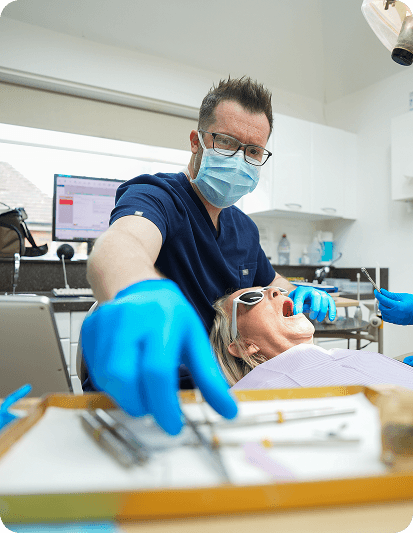
Ask for individual advice about tea or coffee staining, possible limitations and any aftercare instructions that apply.
Attend any recommended dental hygiene appointment to remove surface deposits before whitening.
Bring a list of current medications and any questions about sensitivity or restorations.
Avoid unregulated home bleaching products unless your dentist advises otherwise.
Follow your dentist’s specific guidance on eating and drinking immediately after treatment.
Maintain regular dental hygiene to slow re-staining and attend scheduled reviews.
Consider periodic top-ups only under dental supervision rather than using over-the-counter products.
Your dentist will give written aftercare tailored to your chosen approach and monitor comfort and outcomes.
Consultations and treatments take place at Start Smiling’s Ingatestone practice, where the team can assess restorations, sensitivity and dental hygiene as part of a comprehensive suitability visit. Choosing a clinic that offers both assessment and follow-up helps the dentist plan whitening safely and discuss any restorative adjustments that may be needed.