Consultation And Assessment
01
A consultation gives you time to discuss natural tooth colour, tooth and gum health, sensitivity and realistic shade expectations before deciding on care.
If tooth sensitivity is the issue that makes you hesitate about cosmetic whitening, make that your starting point in any conversation with a dentist. A clear discussion helps the clinician review your dental history, current symptoms and likely causes so they can decide whether whitening of your natural teeth is appropriate, or whether other treatments are needed first. The team will explain how sensitivity can appear during or after whitening, what monitoring and temporary remedies are available, and whether options such as staggered treatment or customised trays could reduce discomfort. Mention any past sensitivity at your new patient consultation to ensure a personalised plan.
Start Smiling Dental Practice in Ingatestone offers dentist-supervised professional teeth whitening alongside routine general dentistry and cosmetic advice. The team assesses the health of natural enamel and gums, checks for untreated problems and discusses whether an at-home tray system, an in-practice approach or a combination is suitable for your mouth and sensitivity profile.
Before any treatment is agreed the dentist will explain realistic expectations: whitening changes the colour of natural teeth only and will not alter crowns, porcelain veneers, bridges or existing fillings. The practice can provide custom trays when appropriate, professional gels used as directed, review appointments and aftercare guidance tailored to your needs; ask the practice for a current written estimate or to view their fee guide.
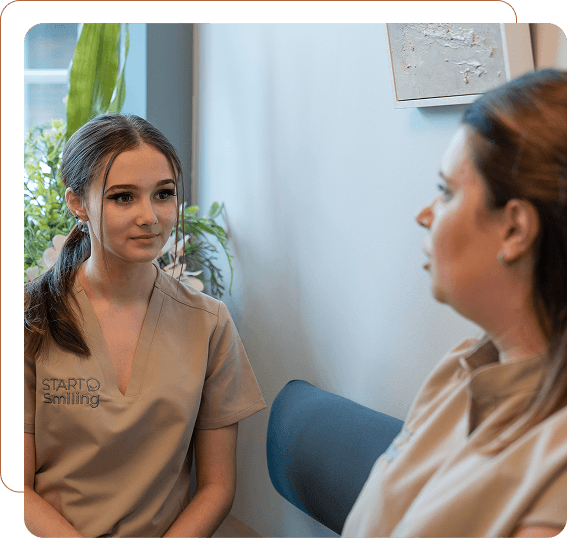
Professional whitening begins with oral-health assessment, realistic shade goals and individually explained instructions.
A consultation gives you time to discuss natural tooth colour, tooth and gum health, sensitivity and realistic shade expectations before deciding on care.
Professional whitening aims to change the shade of natural enamel and can reduce intrinsic and long-standing discolouration that is not solved by a hygiene visit alone.
When combined with good dental hygiene, whitening can improve the appearance of stains from tea, coffee and tobacco that remain after cleaning.
Some people notice short-term sensitivity or gum irritation during or after whitening; the team will explain how this is monitored and what measures can ease symptoms.
Custom-made trays can be fitted and adjusted to reduce gel contact with the gums and help control sensitivity during monitored at-home use.
Clinician-directed whitening gels are used as recommended; the dentist sets gel strength and wear time according to suitability rather than using unregulated home products.
A combined plan of in-practice and at-home steps may be discussed where clinically appropriate, subject to oral health and the dentist’s decision.
Whitening alters natural tooth colour only; the team will review any crowns, veneers or fillings and discuss cosmetic options to harmonise restorations if required.
A clinician assesses oral health and suitability before recommending any whitening, so sensitivity and untreated problems are identified early.
Checks include evaluation of gum condition, cavities, tooth wear and previous sensitivity to guide the safest approach for your mouth.
Treatment recommendations reflect your goals, lifestyle and tolerance for sensitivity rather than a one-size-fits-all schedule.
Where appropriate, trays can be customised and trimmed to limit gum contact and reduce irritation during supervised at-home treatment.
Professional gels are used under clinical instruction, with monitoring and follow-up rather than one-off over-the-counter solutions.
Patients receive review appointments and tailored aftercare advice, including steps to manage sensitivity and support long-term results.
You explain your goals and sensitivity concerns so the dentist understands what to prioritise during the assessment.
The clinician reviews gum health, decay, restorations and medications that may affect suitability and the risk of sensitivity.
Different approaches, realistic outcomes and the likely effect on sensitivity are discussed without promising a fixed shade or duration.
If appropriate, a personalised plan is agreed, including any preparatory dental work, tray fitting and review appointments.
Whitening is carried out or initiated under clinical supervision with monitoring for sensitivity and gum irritation, and adjustments if needed.
You are given tailored aftercare advice, guidance on managing temporary sensitivity and instructions on maintaining improvements.
Teeth whitening can be a suitable choice for many adults who have healthy natural teeth and want to reduce discolouration, but suitability depends on stain type, enamel condition and gum health. If you have crowns, porcelain veneers or fillings these restorations will not change colour with whitening, and the dentist will discuss cosmetic alternatives so results look balanced.
If you have a history of sensitivity the dentist can advise pre-treatment measures, staggered treatment, or lower-intensity options to reduce the likelihood of discomfort. Whitening is not routinely recommended for under-18s except in limited clinical situations; your dentist will explain realistic expectations and any individual limitations during a full assessment.
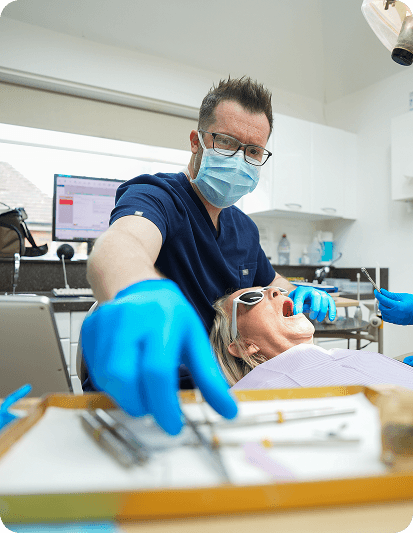
Ask for individual advice about sensitivity concerns, possible limitations and any aftercare instructions that apply.
Note any history of sensitivity or gum problems before your appointment so the clinician can tailor the consultation.
Delay whitening if you have active decay or inflamed gums; those issues should be treated first.
Bring recent dental records or a list of treatments and medicines to help the dentist assess sensitivity risks.

Use a desensitising toothpaste if recommended to help ease post-treatment sensitivity.
Follow personalised guidance on foods, drinks and oral habits to protect results rather than relying on general rules.
Contact the practice if you experience prolonged or severe pain or persistent gum irritation after treatment.
Choosing an experienced practice for your consultation matters because sensitivity and suitability need professional assessment. Start Smiling Dental Practice in Ingatestone provides clinical review, personalised planning and follow-up so you can make an informed decision; confirm appointment details with the practice before travelling and bring any relevant dental records. Whitening suitability is discussed at the Ingatestone practice, where a dentist can review dental history, tooth colour and sensitivity.