Consultation And Assessment
01
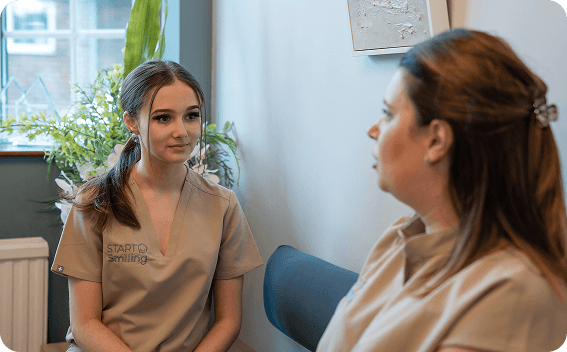
A consultation gives you time to discuss natural tooth colour, tooth and gum health, sensitivity and realistic shade expectations before deciding on care.
If one tooth has darkened after an injury, the sensible first question is what tests your dentist will use to find the cause. A careful clinical assessment often includes visual examination, vitality testing and appropriate radiographs to check for internal bleeding, nerve damage or previous treatment that can alter shade. Your dentist may recommend monitoring the tooth for a short period, or suggest internal bleaching, root canal therapy, composite bonding or a crown where whitening alone will not provide a predictable improvement. Remember that dentist-supervised whitening alters natural tooth tissue only and will not change the colour of crowns, veneers or fillings; expect a discussion about realistic outcomes, sensitivity and follow-up care.
Many people searching from Harold Wood choose a private teeth whitening consultation at Start Smiling to establish whether whitening is appropriate for their natural teeth. The Ingatestone team offers dentist-supervised assessments that check gum and tooth health, review possible causes of stains and discuss treatments from dental hygiene and tray whitening to restorative options. A new patient consultation can identify if the discoloured tooth needs diagnosis before cosmetic measures.
Professional teeth whitening aims to lighten natural tooth structure rather than restorations such as porcelain veneers or crowns. During your appointment the clinician will explain whether custom trays, a combined approach or alternative restorative care is needed, and will set realistic expectations rather than promising a specific shade. For an accurate cost you will be given a written estimate following assessment; consult the practice fee guide if you would like further detail.
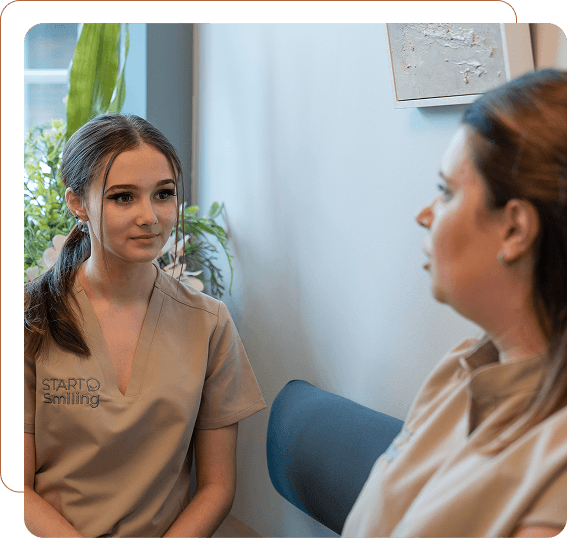
Professional whitening begins with oral-health assessment, realistic shade goals and individually explained instructions.
A consultation gives you time to discuss natural tooth colour, tooth and gum health, sensitivity and realistic shade expectations before deciding on care.
Dentist-supervised whitening can reduce intrinsic and extrinsic staining of natural teeth to produce a more even appearance while setting realistic expectations about achievable results.
Stains from tea, coffee, red wine or tobacco may be improved by whitening alongside regular dental hygiene to help maintain results for longer.
Discolouration after injury can reflect internal changes in the tooth; internal bleaching or root treatment rather than external whitening is sometimes required to restore a natural shade.
Some patients report mild, temporary sensitivity or gum irritation with whitening; the clinician will discuss ways to reduce discomfort and monitor your response during treatment.
Whitening changes natural tooth tissue only and will not alter the colour of crowns, veneers or existing restorations, so matching restorations may be needed once whitening is complete.
The team will recommend personalised options such as at-home tray whitening when suitable, combined approaches or restorative solutions, emphasising individual suitability rather than fixed guarantees.
A hygiene appointment can remove surface deposits before whitening and supports longer-lasting improvements in tooth appearance and oral health.
A dentist-led assessment determines the most appropriate approach for your particular situation and sets realistic expectations.
Clinical whitening at Start Smiling is provided under dentist supervision to ensure appropriate assessment and clinical oversight for safety and effectiveness.
The practice prioritises an examination of gum health, untreated problems and sensitivity before recommending any whitening to ensure suitability.
You will receive tailored advice on realistic outcomes for a single darkened tooth and on alternative restorative options if whitening is unlikely to give a satisfactory match.
If trays are recommended they are made to fit your teeth precisely and are used under the dentist's directions as part of a customised plan.
Professional-grade products are used as directed with clinical monitoring to assess shade change and manage any sensitivity that arises during treatment.
Start Smiling offers review appointments and aftercare advice, explaining how to reduce future staining and when restorative matching might be needed.
You will explain the history of the trauma and when the discolouration was first noticed so the dentist understands your main concern.
The dentist will review your general health, medicines and any restorations to determine whether whitening is suitable or if other treatment is required.
Expect a clear explanation of possible approaches for a single dark tooth, including monitoring, internal bleaching, root treatment, composite bonding or whitening, with pros and cons of each.
If whitening is appropriate the clinician will outline the proposed method, whether custom trays are needed and an expected review schedule without promising exact outcomes.
Treatment is delivered under clinical guidance with planned reviews to assess shade change, check for sensitivity and decide if further restorative work is needed.
You will be given personalised aftercare instructions, guidance on managing temporary sensitivity and advice about avoiding common staining agents as recommended.
Not everyone is a suitable candidate for cosmetic whitening and, when a single tooth has darkened after trauma, diagnosis is important. Teeth that are internally stained or non-vital often need internal bleaching, root canal treatment or restorative options such as composite bonding rather than conventional whitening.
If you are under 18, pregnant or have active decay or gum disease, whitening may be deferred until these issues are addressed. Discuss alternatives with your dentist, including matched restorations or smoothing and polishing after dental hygiene, and follow the clinician's advice on timing and care.
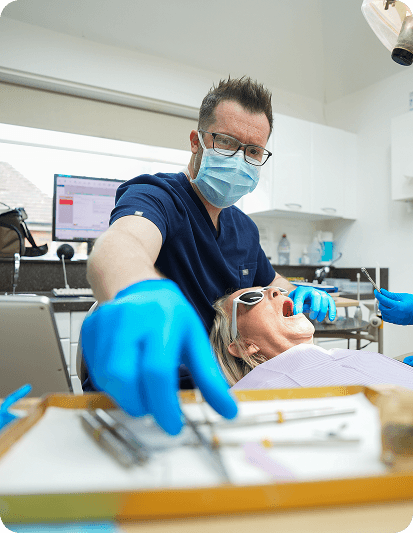
Ask for individual advice about one darkened tooth, possible limitations and any aftercare instructions that apply.
Tell the practice about any recent dental trauma or treatment you have had.
Bring a list of current medicines and any relevant dental records to your appointment.
Attend with reasonably clean teeth; consider a dental hygiene visit first to remove surface deposits.
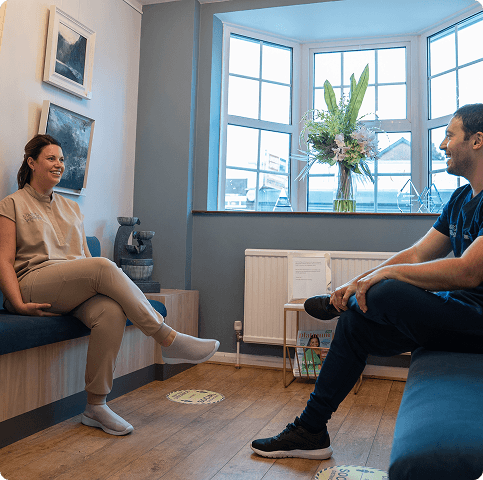
Ask the dentist what tests they plan to use and how these affect your treatment options.
Follow the dentist's personalised aftercare instructions after any whitening or restorative work.
Be prepared for possible temporary sensitivity and have recommended products available if advised.
Start Smiling provides assessments and dentist-supervised whitening from its Ingatestone practice; patients from Harold Wood attend there for a clinical examination, any necessary radiographs and an evidence-based decision about whitening or restorative treatment tailored to a single darkened tooth. Whitening suitability is discussed at the Ingatestone practice, where a dentist can review dental history, tooth colour and sensitivity.