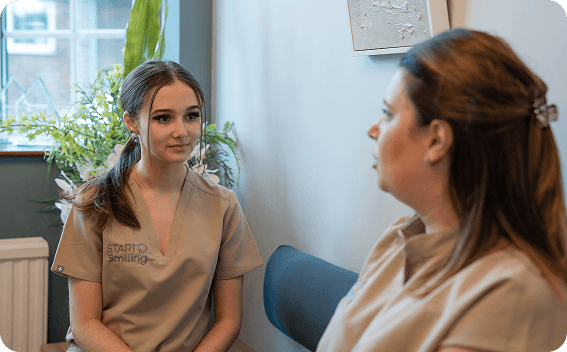
Consultation And Assessment
01
A consultation gives you time to discuss natural tooth colour, tooth and gum health, sensitivity and realistic shade expectations before deciding on care.
If you are wondering why your gums should be checked before whitening, the short answer is that gum health affects both safety and results. Active gum inflammation, exposed roots from recession or untreated decay can increase the chance of irritation and sensitivity during or after professional whitening, so a dentist will assess periodontal health and treat any problems first where appropriate. The assessment also identifies restorations such as crowns or porcelain veneers that will not change shade, helps set realistic expectations about likely results and sensitivity, and informs whether a monitored at-home tray or another supervised approach is best for you.
Start Smiling provides dentist-supervised professional teeth whitening for patients searching from Hockley, with all suitability checks and any treatment planning carried out at the Ingatestone practice. A clinical assessment of gums and teeth is central to any recommendation; not every person or every tooth will be suitable for cosmetic whitening and the team will explain alternatives when needed.
Professional whitening can reduce intrinsic and extrinsic staining caused by tea, coffee, smoking, ageing or some medicines, but it changes natural tooth enamel only and will not alter the colour of crowns, veneers or existing fillings. The practice will outline realistic expectations, discuss likely sensitivity and offer tailored aftercare in the context of your overall dental care, including any necessary dental hygiene or restorative work.
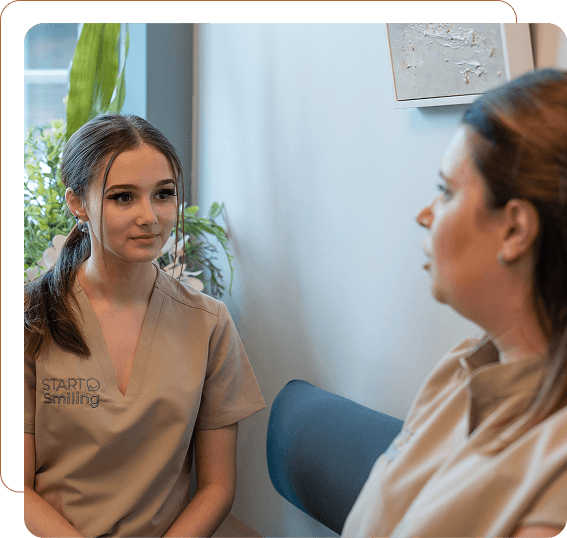
Professional whitening begins with oral-health assessment, realistic shade goals and individually explained instructions.
A consultation gives you time to discuss natural tooth colour, tooth and gum health, sensitivity and realistic shade expectations before deciding on care.
Supervised whitening can reduce discolouration of natural teeth to refresh your smile while the clinician explains realistic outcomes and limitations.
The team discusses temporary sensitivity, suggests desensitising products and may adapt a wearing schedule or pause treatment if sensitivity increases.
Healthy gum tissue is less likely to react to whitening gels; any inflammation or recession is identified and stabilised before cosmetic treatment proceeds.
When suitable, bespoke trays for at-home use may be made under dentist supervision with instructions to limit gum contact and reduce irritation.
Follow-up appointments allow the clinician to check shade stability, monitor gum response and advise on maintenance including appropriate oral hygiene.
In selected cases the dentist may discuss a combination of supervised in-practice and at-home care, explaining benefits and realistic limits during your consultation.
Because whitening only affects natural enamel, the dentist will consider timing of any restoration work so crowns or veneers match your post-whitening shade if needed.
Discussing gum health early helps protect tissues and leads to a safer, more predictable cosmetic plan.
Qualified clinicians oversee treatment, assess suitability and monitor any sensitivity or gum reaction during and after whitening.
The team examines gums, teeth and restorations and will recommend addressing periodontal or restorative issues before cosmetic care.
Advice on likely outcomes, sensitivity management and aftercare is tailored to your oral health and cosmetic goals.
Custom trays may be provided subject to suitability and are fabricated for a controlled, dentist-supervised at-home option where indicated.
Clinically appropriate whitening products are used under dentist instruction with monitoring and adjustments to reduce risk to gums and enamel.
Review appointments are available to assess results, manage any ongoing sensitivity and plan further cosmetic or restorative work if required.
You will describe your goals, recent dental history and any previous sensitivity so the clinician understands your priorities.
The dentist reviews medical and dental history, examines gums and teeth and identifies issues such as inflammation, recession or decay that need attention first.
Available approaches, likely outcomes and the fact that whitening will not change crowns, veneers or fillings are explained so you can make an informed choice.
A personalised plan is agreed that may include hygiene care, desensitising measures and whether custom trays are appropriate for supervised at-home whitening.
If treatment proceeds, it is carried out or supervised by the dentist with checks to reduce gum irritation and to manage sensitivity as it appears.
You receive tailored aftercare guidance on brushing, diet and maintenance, and are advised to attend follow-up checks to monitor gum health and shade stability.
Teeth whitening is suitable for many people who wish to reduce staining of natural enamel, but it depends on the state of your gums, presence of restorations and sensitivity levels. Active periodontal disease, significant recession with exposed roots or untreated decay will usually need attention before cosmetic whitening is considered, and the dentist may suggest a course of dental hygiene or periodontal care first.
Under-18s are generally not suitable for cosmetic whitening except in limited clinical circumstances. If you have known sensitivity, the practice can discuss slower protocols, desensitising products or alternative cosmetic options and will plan any treatment around your wider general dentistry and restorative needs.
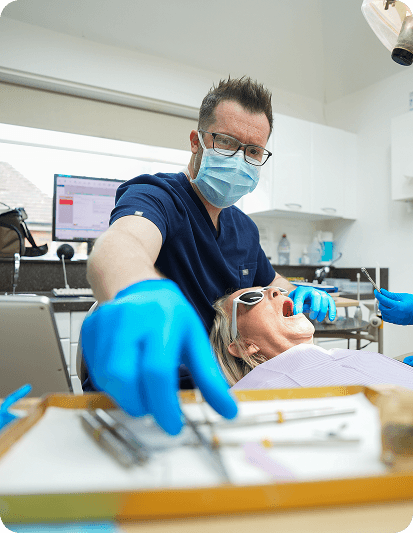
Ask for individual advice about gum health before treatment, possible limitations and any aftercare instructions that apply.
Avoid starting whitening while you have untreated gum inflammation or infection.
Bring a list of current medicines and any history of sensitivity to dental products.
Expect the dentist to check crowns, veneers and fillings because they will not change colour with whitening.

Follow any pre-treatment hygiene or periodontal care recommended by the dentist.
Use desensitising toothpaste if advised before and after whitening to reduce discomfort.
Attend follow-up checks to monitor gums and the stability of tooth shade.
Individual instructions will be provided based on your assessment and dental needs.
Appointments for whitening and suitability checks take place at Start Smiling Dental Practice in Ingatestone, where clinicians can carry out a full oral assessment and any necessary hygiene or restorative treatment before cosmetic care. Choosing the Ingatestone clinic for a consultation ensures access to dentist supervision, personalised planning and appropriate aftercare tailored to your needs.