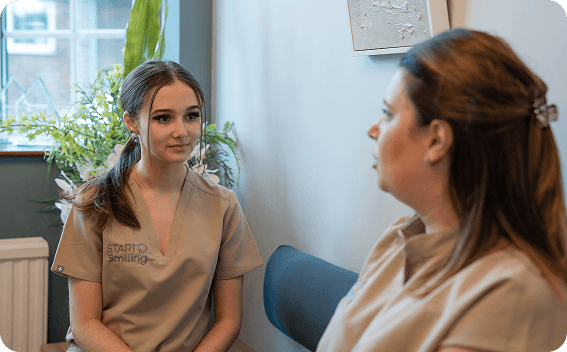
Consultation And Assessment
01
A consultation gives you time to discuss natural tooth colour, tooth and gum health, sensitivity and realistic shade expectations before deciding on care.
If you are wondering what happens at a whitening progress review, it helps to know which signs a dentist will look for and how they measure success. A progress review normally checks shade change, tooth sensitivity, gum reaction and whether existing restorations such as crowns or porcelain veneers remain a concern; it also helps to set realistic expectations about how much lighter natural teeth can become. Ask which method will be used to assess progress, whether photographs or shade guides are appropriate, how any sensitivity will be managed, and whether further treatment or a pause is advised. Bring notes about products you have used and any questions about aftercare.
Start Smiling offers dentist-supervised teeth whitening appointments at the practice in Ingatestone for patients considering treatment from Hornchurch and elsewhere. The clinical team will review your general dentistry record, check oral health and discuss how whitening might affect the appearance of natural teeth compared with restorations such as crowns, veneers and fillings.
Treatments are personalised following a suitability assessment. Before recommending home tray whitening or a combination approach the dentist will check for untreated decay, gum disease and sensitivity, and discuss realistic expectations and a follow-up plan. For a current written estimate and a full fee guide, contact the practice.
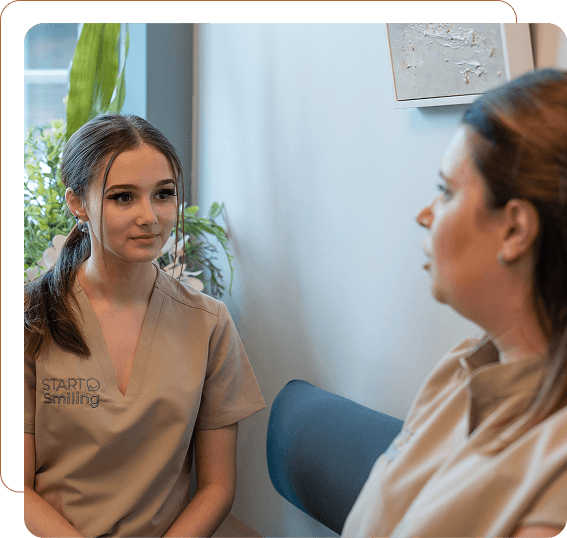
Professional whitening begins with oral-health assessment, realistic shade goals and individually explained instructions.
A consultation gives you time to discuss natural tooth colour, tooth and gum health, sensitivity and realistic shade expectations before deciding on care.
Professional teeth whitening can reduce intrinsic staining of natural enamel; the dentist will explain limits where crowns, veneers, bridges or fillings may not change colour and what restorative follow-up could involve.
The clinician can identify whether discolouration is from surface staining, ageing, trauma or medication and advise whether whitening or alternative cosmetic options are likely to help.
Progress reviews pay close attention to sensitivity; if discomfort appears the dentist can suggest adjustments, desensitising products or a short break from treatment while monitoring response.
Soft tissue checks during reviews identify any gum irritation and allow the team to recommend protective steps, temporary pauses or minor technique changes to reduce reaction.
Standardised photos taken at baseline and at reviews help track shade change objectively and support conversations about realistic outcomes and any need to alter the plan.
The dentist will explain aftercare to help maintain improvements, including short-term staining precautions and when touch-up whitening might be appropriate as part of ongoing care.
Where suitable, the practice can offer remote check-ins to review samples or photos between in-person visits, but some concerns and accurate shade records require an in-surgery appointment.
Whitening is overseen by clinicians at the Ingatestone practice so suitability, progress and any side effects are checked by a registered dentist.
The team assesses oral health, untreated problems and sensitivity before recommending whitening, ensuring the plan fits your mouth and wider dental needs.
Recommendations and aftercare are tailored to your teeth, existing restorations and lifestyle rather than offered as a one-size-fits-all solution.
Custom trays may be offered when appropriate after a suitability assessment; not every patient will receive trays and the dentist will explain alternatives.
Gels and techniques are applied under supervision and adjusted if side effects occur; the team follows manufacturer and clinical guidance.
Expect follow-up discussions to track progress, manage sensitivity and receive clear guidance about maintaining results and any future touch-ups.
You and the dentist discuss why you want whitening, your expectations and any concerns about sensitivity or how restorations such as porcelain veneers may affect appearance.
A focused medical and dental history is taken, including medications, pregnancy or breastfeeding status where relevant, and the mouth is examined for decay, gum disease or restorations that could affect treatment.
The dentist explains possible approaches, such as home tray whitening if suitable, and outlines how progress reviews will be scheduled and what they will check.
If whitening is appropriate the dentist records a baseline shade, may take photographs and agrees review timing, expected signs to report and any provisional aftercare steps.
During the course of whitening the practice monitors response; review appointments assess shade change, sensitivity and gum irritation and guide any necessary adjustments.
After treatment the dentist gives personalised advice on managing sensitivity, when to avoid strong staining foods and drinks, and how to maintain results with touch-ups if advised.
Teeth whitening can be effective for many people with natural tooth discolouration, but it requires an individual dental assessment to confirm suitability. The dentist will consider your oral health, whether you have restorations, and your history of sensitivity before recommending a plan and a review schedule.
Cosmetic whitening is generally for adults and is not routinely offered to under-18s except in limited clinical circumstances. If you have crowns, veneers, bridges or fillings, whitening will change natural tooth colour only and you may need restorative work afterwards if you want a uniform appearance.
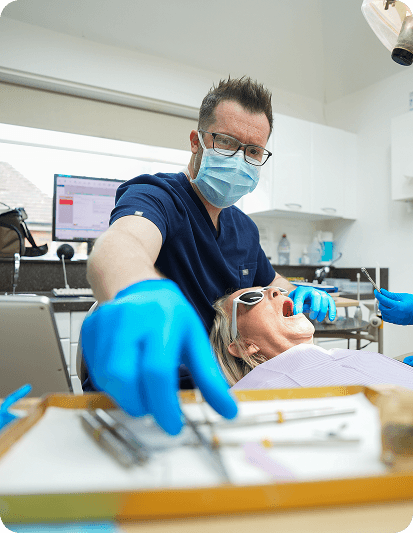
Ask for individual advice about whitening progress reviews, possible limitations and any aftercare instructions that apply.
Avoid professional whitening if active gum disease or untreated decay is present until these are treated.
Bring a list of current medicines and any previous experience of tooth sensitivity to your appointment.
Follow the practice’s specific aftercare advice about managing sensitivity and staining rather than a generic schedule.

Expect baseline photos or shade-recording so progress reviews have measurable records to compare.
Ask at your new patient consultation about how and when reviews will be scheduled and what they will check.
Check the fee guide and request a current written estimate from the practice before committing to treatment.
Choosing the Ingatestone practice for a consultation matters because suitability assessments and accurate shade records usually require an in-person examination. Book a discussion so the dentist can examine your teeth, explain whether whitening is appropriate and set out a monitoring plan tailored to your needs. Whitening suitability is discussed at the Ingatestone practice, where a dentist can review dental history, tooth colour and sensitivity.