Consultation And Assessment
01
A consultation gives you time to discuss natural tooth colour, tooth and gum health, sensitivity and realistic shade expectations before deciding on care.
When patients ask how a whitening plan will be adapted for them, the starting point is a full dental assessment. Stain type and dental history influence whether at-home tray whitening, supervised in-practice care or a combined plan is suitable, and existing restorations such as crowns, veneers or fillings will not change shade with bleaching so they shape the cosmetic strategy. The dentist at Start Smiling will review gum and tooth health, discuss sensitivity, consider past dental work and agree realistic expectations. Personalised plans may include custom trays, sensitivity management and staged reviews, but no final shade or fixed timetable can be guaranteed in advance.
Start Smiling offers dentist-supervised professional teeth whitening for people searching from Hutton, with all appointments provided at the Ingatestone practice. Before recommending whitening the team checks natural teeth and gums, identifies any untreated concerns and explains how whitening interacts with existing dental work such as porcelain veneers or crowns. The practice clarifies that whitening alters natural tooth colour only and will not change restorations, which may need separate cosmetic treatment or replacement to match a lighter shade.
The team can discuss bespoke at-home tray whitening where appropriate and combination approaches that pair in-practice oversight with supervised home use. Possible temporary sensitivity and short-term gum irritation are reviewed during suitability checks, and aftercare, review appointments and hygiene support are offered to help maintain results and oral health.
Professional whitening begins with oral-health assessment, realistic shade goals and individually explained instructions.
A consultation gives you time to discuss natural tooth colour, tooth and gum health, sensitivity and realistic shade expectations before deciding on care.
Professional whitening can lighten natural enamel to improve overall shade; the dentist will outline realistic expectations and how this fits into your individual whitening plan.
Possible temporary sensitivity is discussed and plans can include desensitising measures or adjusted regimes to reduce discomfort during and after treatment.
Surface staining from tea or smoking responds differently to treatment than intrinsic discolouration from trauma or medication, so the chosen approach is tailored to stain type.
Where suitable, bespoke trays with professional gel may be recommended for supervised home use; the dentist decides whether this method suits your dental history and provides safe instructions.
Some patients benefit from a blend of in-practice care and supervised home whitening; any combined plan is selected according to oral health, restorations and desired outcome.
Whitening will not change the colour of crowns, veneers, bridges, dentures or existing fillings; the team can advise on options to achieve a harmonious cosmetic result.
Ongoing guidance covers how to reduce re-staining, when to schedule review visits and how dental hygiene can support longer-lasting results.
The dentist will confirm suitability before any whitening is started and will provide aftercare instructions and review arrangements.
Professional whitening is overseen by an experienced dentist who assesses suitability and monitors treatment.
Recommendations reflect your dental history, restorations and sensitivity rather than a single standard package.
Oral health and any untreated problems are identified before whitening is advised to protect teeth and gums.
The practice provides review appointments and tailored aftercare guidance, including support from dental hygiene services where helpful.
The dentist and clinical team can discuss cosmetic care alongside general dentistry and restorative options if these are needed.
Appointments are held at the Ingatestone practice and the team will provide a written estimate and practical details when you book.
You will discuss cosmetic goals, daily habits that influence staining and any previous whitening to set realistic expectations.
The dentist reviews your health, medications, oral condition and any restorations to confirm whether whitening is appropriate and safe for you.
Available approaches, likely sensitivity and how restorations influence results are explained so you can decide with clear information.
A tailored plan is agreed, including whether custom trays, supervised home use or a combination approach is recommended and what follow-up will be needed.
If you proceed, the dentist carries out or supervises the chosen method, monitors progress and adjusts the plan to manage comfort and outcomes.
You receive guidance on short-term care, sensitivity management and steps to reduce re-staining, with follow-up checks arranged as appropriate.
Teeth whitening may suit people whose primary concerns relate to the natural colour of their enamel rather than their restorations; a suitability assessment checks for untreated decay, gum issues and whether whitening should be delayed or adapted. Those with extensive restorations, notable sensitivity or certain intrinsic stains may be advised that restorative alternatives or staged treatment are more appropriate.
Cosmetic whitening is not routinely offered to under-18s except in limited clinical cases. Bring any questions and, if helpful, photographs of your goals to a new patient consultation so the dentist can explain realistic options and how dental hygiene, porcelain veneers or restorations might factor into a broader cosmetic plan.
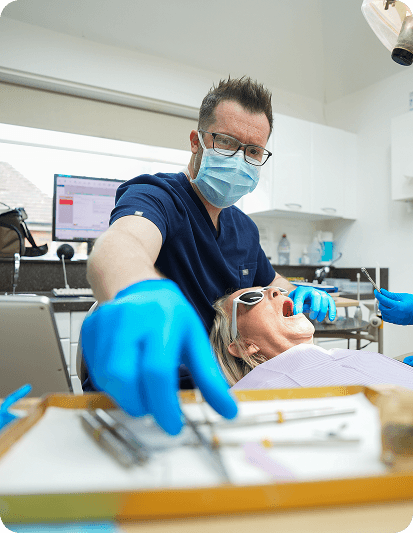
Ask for individual advice about an individual whitening plan, possible limitations and any aftercare instructions that apply.
Attend with recent dental records or x-rays if these are available to you.
Avoid beginning whitening if you have active decay or untreated gum disease.
Bring a list of current medications and any history of tooth sensitivity.
Follow the dentist’s specific aftercare instructions for eating and drinking after treatment.
Use any recommended sensitivity toothpaste or desensitising products as advised by the team.
Arrange and attend follow-up review appointments to monitor results and oral health.
The dentist will provide written aftercare guidance and a review plan tailored to your chosen approach.
Patients from Hutton are welcome to the Ingatestone practice for a suitability discussion and treatment planning. Choosing the practice matters because the dentist will review your dental history, restorations and sensitivity in person before recommending a personalised whitening approach or alternative cosmetic care. Whitening suitability is discussed at the Ingatestone practice, where a dentist can review dental history, tooth colour and sensitivity.