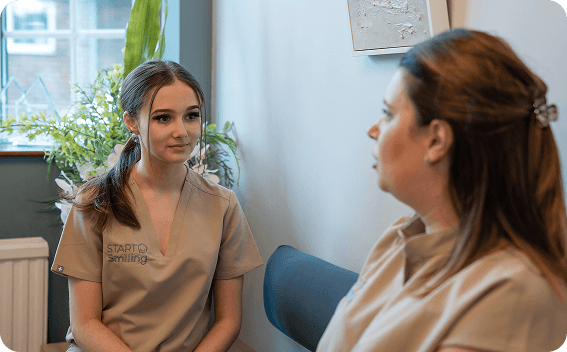
Consultation And Assessment
01
A consultation gives you time to discuss natural tooth colour, tooth and gum health, sensitivity and realistic shade expectations before deciding on care.
How you care for your teeth before, during and after dentist-supervised teeth whitening plays a large role in how long a brighter shade lasts. If you are looking from Leigh-on-Sea, it helps to know which foods, beverages and routines tend to reintroduce staining, how regular dental hygiene and avoiding tobacco support longer intervals between top-ups, and when restorations such as crowns or fillings mean shade matching might be necessary. Start Smiling’s process begins with a suitability assessment of natural teeth and gums, a clear discussion of realistic expectations and personalised aftercare so you understand maintenance, sensitivity risks and possible future review or top-up options.
All whitening appointments are provided at the Start Smiling practice in Ingatestone. The clinical team offers dentist-supervised professional teeth whitening, assesses the health of natural teeth and gums, and explains limits such as the fact that whitening changes natural tooth shade but does not alter crowns, veneers, bridges or existing fillings.
Treatment approaches discussed during a new patient consultation may include at-home tray whitening when suitable, or a combination planned by your dentist. The practice uses professional gel as directed, offers custom trays when appropriate, schedules review appointments, and gives personalised aftercare and advice on dental hygiene and habits that affect longevity.
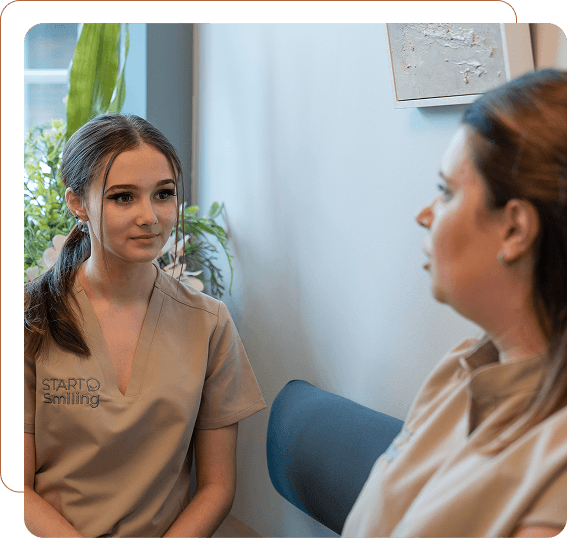
Professional whitening begins with oral-health assessment, realistic shade goals and individually explained instructions.
A consultation gives you time to discuss natural tooth colour, tooth and gum health, sensitivity and realistic shade expectations before deciding on care.
Professional whitening aims to reduce intrinsic and extrinsic discolouration of natural enamel and dentine to produce a visibly lighter shade while keeping realistic outcome expectations.
A dental hygiene appointment can remove external deposits that mask shade improvements and supports longer-lasting results when combined with the whitening programme.
Temporary sensitivity or gum irritation can occur; your dentist will explain ways to reduce discomfort, monitor your response and adapt treatment if needed.
Because whitening affects natural teeth only, the team will consider existing crowns, veneers, bridges and fillings and discuss future options such as porcelain veneers if shade matching is needed.
When appropriate, custom trays for supervised at-home whitening may be provided along with clear instructions and review appointments to check progress and maintenance needs.
Regular consumption of tea, coffee, red wine, certain foods and tobacco use can reintroduce staining; modifying these habits and maintaining good oral hygiene supports longer-lasting results.
Results vary between people; your dentist will talk about follow-up checks, occasional top-ups and a personalised maintenance schedule rather than promising a fixed duration.
All whitening is provided under clinical supervision with monitoring and professional review to help manage sensitivity and expectations.
Your dentist assesses natural tooth condition, any restorations and overall oral health to decide whether whitening is appropriate for you.
You receive specific guidance on habits, dietary choices and dental hygiene that can influence how long results remain effective.
Where indicated, the practice can offer custom trays and a monitored at-home programme, with review appointments and bespoke instructions.
Start Smiling checks for untreated decay or gum disease and may recommend general dentistry or a dental hygiene visit before any whitening is started.
The team schedules follow-up appointments so progress, sensitivity and maintenance needs can be discussed and adjusted over time.
You will describe your reasons for whitening and the appearance you hope to achieve so the team can explain realistic outcomes and next steps.
The dentist reviews your medical and dental history, checks for active problems, restorations and sensitivity, and determines whether whitening is appropriate for your case.
Different approaches are explained, including supervised at-home tray options when suitable, and the likely benefits, risks and alternatives such as porcelain veneers are covered.
If whitening is suitable, the dentist will plan treatment tailored to your teeth, agree review points and outline personalised aftercare rather than promising a specific final shade.
Whitening is carried out under professional supervision with checks for sensitivity or gum irritation; any home use comes with clear written instructions and monitoring appointments.
Temporary sensitivity is possible; follow your dentist’s individual aftercare advice about hygiene, dietary choices and maintenance to support lasting results.
Teeth whitening can suit many adults with healthy natural teeth but suitability depends on causes of discolouration, existing restorations and individual sensitivity. It will not change the colour of crowns, veneers, bridges or fillings, so the dentist will consider restorative needs and cosmetic alternatives during a new patient consultation or general dentistry assessment.
Age, the nature of the stain and expectations affect outcomes; whitening is rarely offered for under-18s except in limited clinical circumstances. Discuss your habits and any history of sensitivity with the team so they can advise on how behaviour and maintenance influence how long results may remain satisfactory.
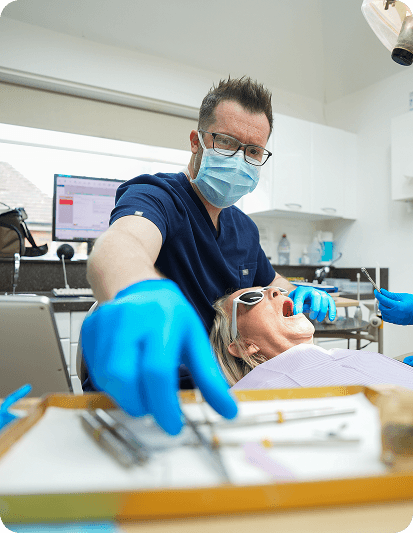
Ask for individual advice about maintaining whitening results, possible limitations and any aftercare instructions that apply.
Follow the personalised advice your dentist gives about eating and drinking after treatment rather than a one-size-fits-all rule.
Maintain daily brushing and interdental cleaning to help delay surface staining and protect oral health.
Tell the team about any previous sensitivity so they can tailor precautions and aftercare.
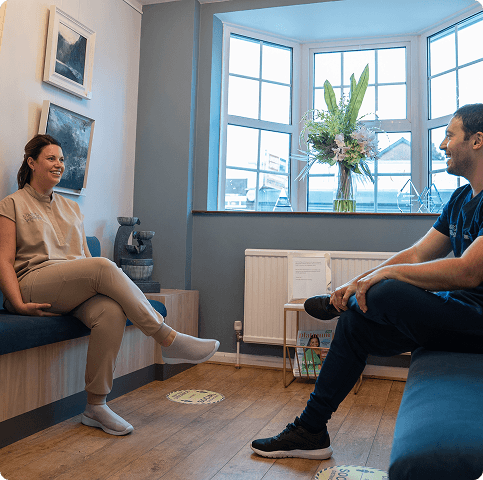
Book any recommended dental hygiene or general dentistry appointments before whitening to ensure a healthy base.
Avoid changing or polishing existing restorations until after assessment and colour planning with your dentist.
Ask about maintenance options and how habits such as smoking may affect the appearance of your results.
Follow your dentist's individual instructions for the best balance between comfort and lasting effect.
If you are considering whitening from Leigh-on-Sea, consultations and treatment are provided at Start Smiling in Ingatestone where the dentist can assess suitability, fit trays where needed and review results. Attending the practice matters because suitability checks, fitting and clinical monitoring require direct assessment rather than remote advice. Whitening suitability is discussed at the Ingatestone practice, where a dentist can review dental history, tooth colour and sensitivity.