Consultation And Assessment
01
A consultation gives you time to discuss natural tooth colour, tooth and gum health, sensitivity and realistic shade expectations before deciding on care.
Choosing a natural-looking target shade is the practical question many patients ask before any teeth whitening. The change you can expect depends on your starting tooth colour, the type of staining, enamel condition and whether you have restorations such as crowns or porcelain veneers. A dentist at Start Smiling will examine your mouth, explain how whitening can alter natural tooth structure, describe likely limitations beside existing restorations and agree a realistic, natural goal with you. The appointment also covers temporary sensitivity, aftercare to help preserve shade and whether a new patient consultation, hygiene visit or restorative work should come first.
Although Start Smiling Dental Practice is based in Ingatestone, patients from Mountnessing are welcome to book a teeth whitening appointment. The initial visit concentrates on suitability, setting a realistic shade aim and describing the treatment options that suit your dental health and lifestyle.
Teeth whitening changes the colour of natural tooth enamel only and will not alter crowns, veneers, bridges or fillings. Achieving an even overall result sometimes requires additional restorative work, which the dentist can discuss as part of treatment planning.
Professional whitening begins with oral-health assessment, realistic shade goals and individually explained instructions.
A consultation gives you time to discuss natural tooth colour, tooth and gum health, sensitivity and realistic shade expectations before deciding on care.
Professional whitening can reduce many intrinsic and extrinsic stains from ageing, tea, coffee, smoking or some medicines, with results that vary by individual.
Selecting a natural-looking shade can refresh your smile without looking artificial; the dentist will show examples and explain how much brightness is realistic for your teeth.
When realistic goals are set, whitening often improves how people feel about their smile while keeping oral health priorities in view.
Options commonly include dentist-supervised at-home trays and staged approaches; the exact method and supervision level will be personalised in discussion.
Temporary sensitivity or mild gum irritation can occur; your dentist will suggest measures to reduce discomfort and alter the plan if needed.
Aftercare advice covers dietary and hygiene habits that help preserve shade and when to consider top-up treatments, all tailored to your situation.
If you have untreated decay, active gum disease or certain health considerations, the dentist may recommend treatment, hygiene care or restorative options before whitening.
Whitening is provided under dentist supervision, including a suitability assessment and personalised instructions for safe use.
We check teeth and gums for any issues that should be addressed before cosmetic treatment, such as decay or periodontal problems.
Treatment recommendations, whether custom trays or a staged approach, are tailored to your starting shade, restorations and expectations.
The team explains how whitening affects natural teeth only and how crowns, veneers or fillings may require separate consideration to match colour.
Start Smiling offers review appointments and advice on maintaining results and managing any sensitivity after treatment.
The practice provides realistic guidance, avoids promising a specific number of shades or permanent results, and supplies a written estimate before treatment.
We begin by discussing your cosmetic aims, daily habits that influence staining and the practical appearance you want to achieve, including any examples you bring.
Your dental and medical history is reviewed to identify reasons why whitening might be unsuitable or need modification, and to note any sensitivity concerns.
The dentist explains available approaches, how much change is likely from your starting shade and the implications for existing restorations such as veneers or crowns.
If appropriate, we agree a plan that may include impressions for custom trays, staged whitening, or preparatory hygiene or restorative work to harmonise shade.
Whitening is carried out under dental supervision with regular checks so the team can manage sensitivity, review progress and adjust instructions as required.
You receive specific aftercare advice about diet, oral hygiene and any follow-up appointments to preserve your chosen shade and address sensitivity if it occurs.
Professional whitening suits many adults who want to improve the colour of natural teeth, but not everyone is an ideal candidate. If you have extensive restorations, advanced enamel wear or untreated dental disease, those issues will need attention first and the dentist will outline alternative cosmetic or restorative options.
Deciding on a realistic target shade is a collaborative process: the dentist will show examples, explain how results may sit next to crowns or porcelain veneers and recommend whether additional restorative treatment is needed to achieve an even, natural result. Whitening is generally not offered to under-18s except in limited clinical circumstances.
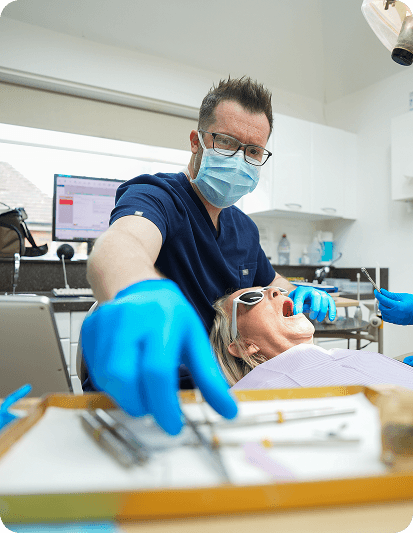
Ask for individual advice about realistic shade goals, possible limitations and any aftercare instructions that apply.
Arrange any recommended restorative or hygiene work before whitening if advised by the dentist.
Bring a list of current medicines and share any history of dental sensitivity.
Be ready to discuss lifestyle factors such as tea, coffee consumption and smoking.
Follow the dentist’s specific instructions about tray use, application and duration.
Expect possible temporary sensitivity and contact the practice if it becomes troublesome.
Attend agreed review appointments so progress and any top-up needs can be assessed.
Many patients travel to our Ingatestone practice for a detailed assessment and dentist-led whitening plan. An in-person consultation matters because the dentist needs to examine teeth and restorations, discuss realistic shade goals and, where appropriate, take impressions or photographs as part of the treatment plan. Whitening suitability is discussed at the Ingatestone practice, where a dentist can review dental history, tooth colour and sensitivity.