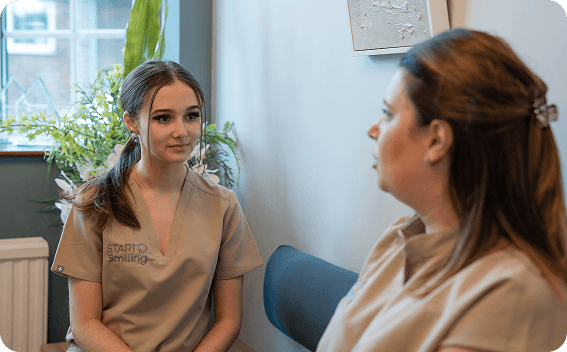
Consultation And Assessment
01
A consultation gives you time to discuss natural tooth colour, tooth and gum health, sensitivity and realistic shade expectations before deciding on care.
Why one-size-fits-all whitening promises are unreliable is an important first question when you want a brighter smile. Many adverts present a single product or treatment as if it delivers the same shade for everyone, but actual outcomes depend on your natural tooth colour, the type and depth of staining, existing crowns, veneers or fillings, and personal sensitivity. A dentist-led suitability assessment checks oral health, reviews restorations and explains realistic expectations and aftercare. Seeing a clinician allows a tailored plan rather than accepting blanket claims, and helps you choose between whitening, dental hygiene, or restorative options such as porcelain veneers where appropriate.
If you are based in Pitsea and considering professional teeth whitening, Start Smiling offers dentist-supervised consultations and treatments at its Ingatestone practice. The team will investigate likely causes of discolouration such as tea, coffee, smoking, ageing, trauma or some medicines and explain how each factor affects likely results and their longevity.
Professional whitening is different from a routine dental hygiene appointment: a hygiene visit removes surface deposits while whitening aims to change the natural tooth shade. The dentist will clarify that whitening affects natural teeth only and will not change the colour of crowns, veneers, bridges or most fillings. A full assessment and a new patient consultation determine the right approach for your mouth.
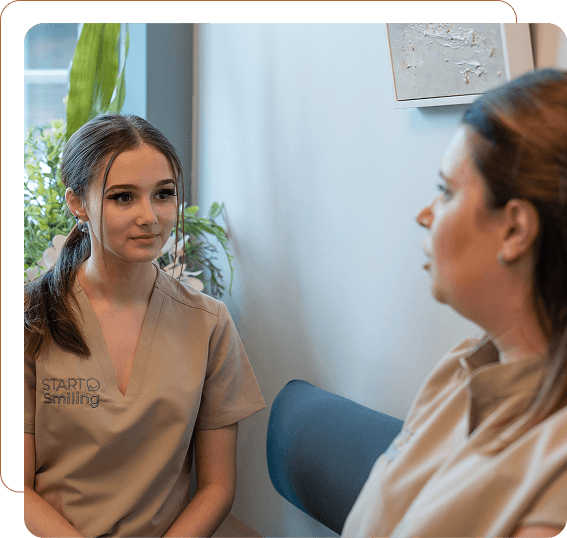
Professional whitening begins with oral-health assessment, realistic shade goals and individually explained instructions.
A consultation gives you time to discuss natural tooth colour, tooth and gum health, sensitivity and realistic shade expectations before deciding on care.
Targeted whitening can reduce some deeper tooth discolouration, but response varies by the stain type and baseline tooth shade rather than a single a result that depends on individual assessment.
When combined with prior dental hygiene, whitening may improve overall brightness, but cleaning and whitening serve different purposes and sometimes both are recommended.
Rather than a one-size-fits-all promise, your plan is tailored to your teeth, lifestyle and expectations, with guidance on likely improvements, maintenance and follow-up.
Temporary sensitivity or mild gum irritation can occur; the team will discuss steps to reduce sensitivity during and after treatment and will monitor your comfort.
Whitening will not alter the colour of crowns, veneers, bridges or most fillings, so the dentist may suggest restorative options if a uniform shade is required.
Some patients benefit from dentist-supervised home trays or combined approaches, but suitability, tray provision and monitoring are confirmed only after assessment.
A bespoke aftercare plan helps maintain results, but staining from foods, drinks or smoking may return over time and retreatment needs differ between patients.
All whitening is offered under a dentist’s supervision with suitability checks to protect oral health.
The team assesses natural teeth, restorations and gum health before recommending whitening or alternative cosmetic options.
You receive tailored advice on realistic outcomes, sensitivity management and maintenance based on your individual needs.
Where suitable, custom-fitted trays may be provided for dentist-directed at-home whitening rather than a single prepackaged option for everyone.
Whitening gels are used only as directed by the dentist with monitoring and safety measures in place.
Post-treatment review and aftercare guidance support recovery and help plan any future maintenance or restorative work.
You explain your goals, past sensitivity and any concerns, so the dentist understands your expectations and can set realistic aims.
A clinical assessment reviews oral health, restorations, medications and any contraindications to confirm whether whitening is appropriate.
The dentist explains benefits and limits of whitening versus alternatives such as replacement restorations or cosmetic options, and discusses likely outcomes.
If suitable, a plan is agreed that may include preparatory dental hygiene, custom trays where recommended and an outline of monitoring and aftercare.
Where treatment proceeds, a clinician supervises application and checks comfort, making adjustments if sensitivity or irritation arises.
You will be given specific aftercare instructions and a follow-up review to assess results and discuss any further care or maintenance needed.
Teeth whitening suits many people with discoloured natural teeth, but it is not suitable for everyone; untreated decay, active gum disease, extensive restorations or certain medications may mean whitening is inappropriate or that restorative work is a better route.
Expect to discuss temporary sensitivity and realistic timelines for seeing change; under-18s are generally not suitable for cosmetic whitening in the UK except in limited clinical circumstances, so the dentist will confirm eligibility during a new patient consultation.
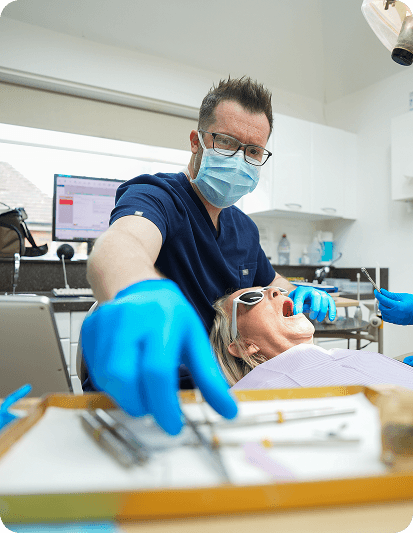
Ask for individual advice about unrealistic whitening promises, possible limitations and any aftercare instructions that apply.
Arrange any advised dental hygiene work before whitening if the dentist recommends it.
Tell the team about current medications and any restorations at your consultation.
Explain previous sensitivity so the dentist can plan approaches to minimise discomfort.
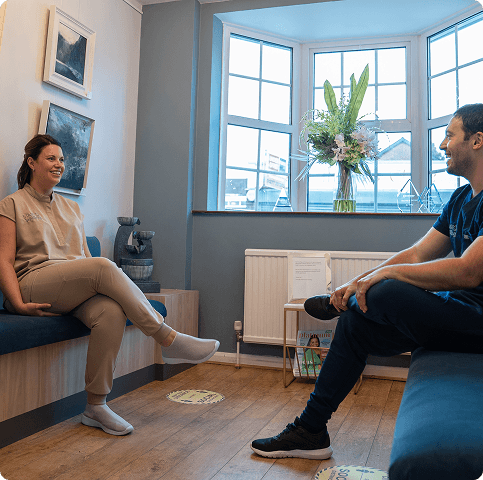
Avoid assuming a particular shade outcome and follow the dentist’s realistic guidance.
Prepare to follow bespoke aftercare to help maintain results and reduce sensitivity.
Request a written estimate and clarify the fee guide during your new patient consultation.
Booking a consultation at the Ingatestone practice lets a dentist examine your teeth and restorations in person, discuss dental hygiene or restorative options such as porcelain veneers where relevant, and agree a patient-specific plan rather than relying on generic product claims. Whitening suitability is discussed at the Ingatestone practice, where a dentist can review dental history, tooth colour and sensitivity.