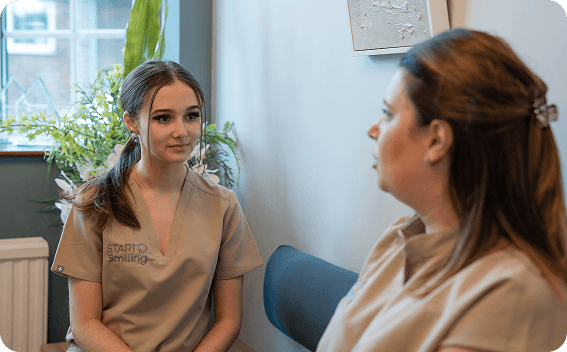
Consultation And Assessment
01
A consultation gives you time to discuss natural tooth colour, tooth and gum health, sensitivity and realistic shade expectations before deciding on care.
If you are thinking about teeth whitening but already have crowns, veneers, bridges or several fillings, the main practical question is how those restorations will look after treatment. Whitening changes the mineral colour of natural enamel and dentine, but it will not reliably alter the shade of porcelain, composite or metal-based restorations. That means a dentist needs to assess visible restorations and discuss whether whitening your natural teeth first, then replacing or re-shading restorations afterward, is the best route. Start Smiling provides a suitability assessment, personalised guidance and aftercare advice from its Ingatestone practice to help you plan a harmonious result.
Whether you want to freshen a smile or address intrinsic discolouration, dentist-supervised teeth whitening discussed at the Ingatestone practice can be tailored to your needs. The team will check gum health, enamel condition and any untreated dental issues before recommending an option, ensuring your expectations are realistic and sensitivity risks are considered.
If visible restorations are present, the dentist will explain likely aesthetic outcomes and practical choices such as whitening natural teeth first then considering replacement or re-shading of crowns or porcelain veneers to achieve a matched smile. The practice offers personalised plans and aftercare rather than fixed final shade or fixed timings.
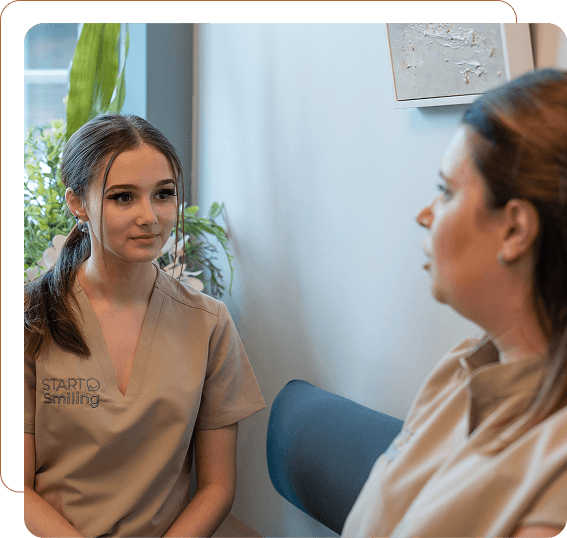
Professional whitening begins with oral-health assessment, realistic shade goals and individually explained instructions.
A consultation gives you time to discuss natural tooth colour, tooth and gum health, sensitivity and realistic shade expectations before deciding on care.
Professional whitening alters the shade of natural enamel and dentine to address intrinsic staining from ageing, trauma or some medicines under dentist supervision.
Dental hygiene appointments remove external deposits such as coffee and tea staining, while whitening is designed to change internal tooth colour; both may be recommended.
Crowns, veneers and many fillings normally retain their original shade; the dentist will point out visible restorations and explain how whitening could create a mismatch.
If whitening lightens natural teeth beyond the shade of existing restorations, options include replacing or re-shading restorations once your final shade stabilises.
Temporary sensitivity or mild gum irritation can occur; the practice assesses sensitivity risk beforehand and provides advice and monitoring during treatment.
When clinically suitable, custom-fit trays for supervised at-home whitening may be offered with clear instructions and follow-up appointments to monitor progress.
Advice on reducing staining from tea, coffee and tobacco, combined with good dental hygiene, supports longer-lasting results though whitening effects are not permanent.
Discuss porcelain veneers, dental hygiene and any restorative plans at your new patient consultation so the clinician can recommend an appropriate sequence of care.
Treatments are provided or supervised by an experienced dentist who assesses suitability and monitors progress.
The team checks for decay, gum disease and sensitivity before recommending whitening as part of general dentistry care.
Your dentist will discuss realistic expectations and the likely visual outcome when restorations are present.
Custom-fit trays may be offered for supervised home use where clinically suitable and agreed after assessment.
Professional gel is used as directed and treatment is monitored with follow-up to manage sensitivity and check results.
Post-treatment advice and review appointments help you manage sensitivity, protect gums and consider restoration matching if needed.
We start by discussing your concerns, smile goals and any visible restorations that matter to you, such as crowns or veneers.
A clinical review covers gum and tooth health, current restorations, past sensitivity and any medicines or conditions that could affect treatment.
Your dentist explains options including supervised at-home trays, combined approaches and the limitations when restorations are present.
If appropriate, the team plans preparatory hygiene care, the whitening sequence and timing for any restorative work to achieve a matched finish.
Whitening is delivered or supervised by the dentist with clear instructions, regular check-ins and adjustments if sensitivity or uneven response occurs.
Aftercare guidance covers sensitivity management, stain avoidance and when to consider replacement or re-colouring of restorations for a consistent result.
Teeth whitening can be suitable for many adults whose natural teeth have intrinsic discolouration, but it is not the right choice while there is active decay, untreated gum disease or significant enamel loss. The dentist will assess your oral health and sensitivity history during a new patient consultation to confirm candidacy.
When you have crowns, veneers or multiple fillings the issue is largely aesthetic: whitening can make natural teeth lighter while restorations generally remain their current shade. The clinician will explain whether whitening natural teeth first, then arranging restorative adjustments, or selecting an alternative cosmetic route, better meets your goals.
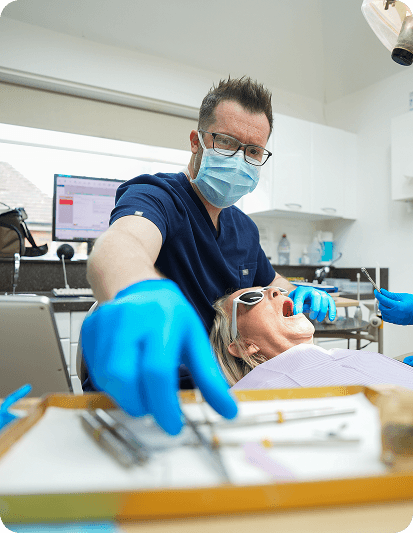
Ask for individual advice about existing restorations, possible limitations and any aftercare instructions that apply.
Book a new patient consultation or follow-up so the dentist can review restorations and oral health before any whitening.
Attend any recommended dental hygiene or restorative appointments first to ensure surfaces and tissues are ready for whitening.
Bring a list of current medicines and mention any past sensitivity or reactions to dental products at your appointment.
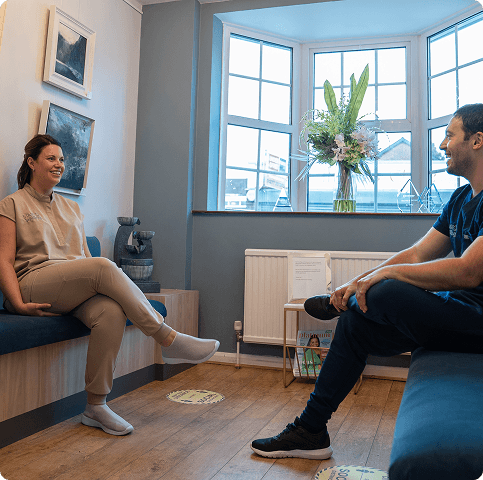
Follow the dentist's personalised aftercare instructions on managing sensitivity and protecting gums while whitening.
Reduce staining habits such as heavy tea, coffee or smoking when advised and use recommended hygiene products to maintain shade.
Return for review appointments so the team can check results and advise on matching restorations if required.
Always follow the clinician’s instructions; individual responses to whitening vary and follow-up helps keep results comfortable and balanced.
Patients from Rainham commonly come to the Ingatestone practice when restorations are a concern because an in-person assessment helps the dentist judge shade, texture and the most appropriate sequence of care. A consultation allows the clinician to recommend supervised whitening, dental hygiene work or restorative adjustments that best suit your smile.