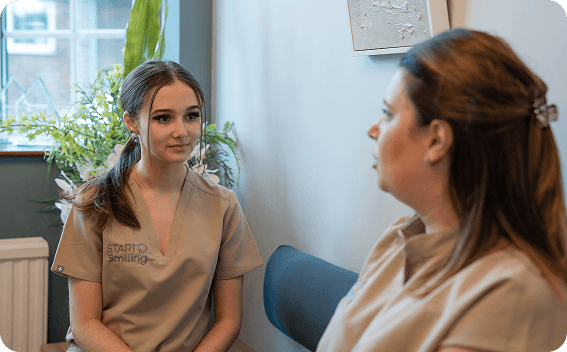
Consultation And Assessment
01
A consultation gives you time to discuss natural tooth colour, tooth and gum health, sensitivity and realistic shade expectations before deciding on care.
Temporary sensitivity during or after teeth whitening can feel like a short, sharp twinge when you drink or eat something hot, cold or sweet, or as a more general achiness in a treated tooth or along the gumline. If you notice new sensitivity, soreness, or gum irritation, tell the supervising dentist promptly rather than adjusting the regimen yourself. The team will assess whether the plan should be modified, paused or stopped and will explain suitable aftercare. Remember that whitening changes the colour of natural teeth only and will not alter crowns, veneers, bridges or fillings.
Start Smiling offers dentist-supervised professional teeth whitening from its Ingatestone practice for patients considering cosmetic brightening. We begin with a suitability assessment of natural teeth and gums, check for untreated dental problems and discuss realistic expectations so you understand what whitening can and cannot achieve. The clinic distinguishes teeth whitening from a hygiene clean: a hygiene appointment removes external deposits while whitening aims to alter the intrinsic shade of natural tooth tissue.
Treatment options discussed at a new patient consultation may include at-home custom tray whitening or a combination approach where appropriate, and the supervising dentist will explain how restorations such as porcelain veneers or crowns affect outcomes. Professional gels are used as directed and review appointments and aftercare are part of the service; the team will not guarantee a particular shade or permanence and will refer to the fee guide and provide a written estimate for any recommended plan.
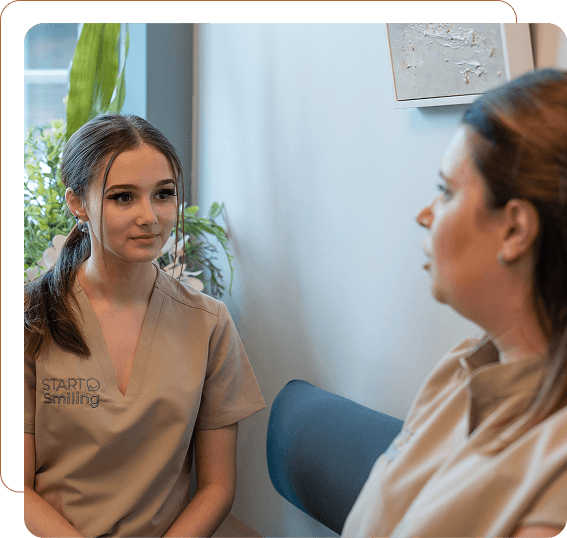
Professional whitening begins with oral-health assessment, realistic shade goals and individually explained instructions.
A consultation gives you time to discuss natural tooth colour, tooth and gum health, sensitivity and realistic shade expectations before deciding on care.
Professional whitening can lighten stains from tea, coffee, red wine and tobacco on natural enamel to improve overall brightness while the team explains maintenance and dental hygiene to help prevent re-staining.
Some medicines and ageing cause deeper intrinsic discolouration; whitening may reduce these darker tones, with suitability and realistic results discussed during the assessment.
Many patients seek whitening to feel more confident with their smile; the supervising dentist outlines achievable outcomes and any limits where restorations are visible.
Whitening affects natural tooth tissue only and will not change the colour of porcelain veneers, crowns or fillings; if restorations are present, the dentist can discuss replacement or shade-matching options.
We explain likely sensitivity, possible gum irritation and what to watch for so you can report symptoms early and the clinician can adapt the plan to protect enamel and soft tissues.
Aftercare includes practical advice on managing short-term sensitivity, temporary diet suggestions and review appointments so any discomfort or soreness can be monitored and treated if needed.
Dentist supervision means gel strength, tray fit and frequency can be adjusted or paused if sensitivity or gum irritation becomes unacceptable for the patient.
A dentist assesses suitability, oversees treatment and can change the plan if sensitivity or other issues arise.
The team examines teeth and gums, reviews medical history and looks for decay, worn enamel or gum problems before recommending whitening.
Advice on application, likely sensitivity and realistic outcomes is tailored to your dental health and cosmetic aims.
Custom-made trays may be offered if clinically suitable; the dentist will explain advantages and limitations during the consultation.
Only professional-grade whitening gels are used under clinician direction; the specific product and regimen are chosen for each patient.
Follow-up appointments and aftercare advice form part of the service so any temporary sensitivity or gum irritation can be managed.
You will discuss smile goals, previous dental work and any current sensitivity so the team understands your priorities and concerns.
The clinician reviews your medical and dental history, examines teeth and gums and checks for untreated problems that should be addressed first.
Options such as custom tray at-home whitening, possible combination approaches and alternative cosmetic routes including replacement restorations are explained.
A treatment plan sets out the recommended approach, how sensitivity will be monitored, expected aftercare and that no fixed shade or a result that depends on individual assessment will be promised.
Whitening is carried out under dental supervision with monitoring for sensitivity or gum irritation; the clinician can adjust strength, tray fit or pause treatment if required.
Aftercare guidance covers short-term sensitivity management, stain-avoidance advice while soft tissues recover and timings for any future refresh treatments.
Teeth whitening may suit people with healthy natural teeth, realistic expectations and a willingness to follow clinician instructions. The supervising dentist will assess your dental hygiene, the condition of enamel and any existing restorations such as crowns or porcelain veneers to decide whether whitening is appropriate.
If you have large fillings or visible restorations, whitening will not change their colour and replacement or shade-matching may be suggested as part of a broader cosmetic plan. The team pays particular attention to sensitivity risk and will recommend modifications or alternatives if you are prone to tooth or gum soreness.
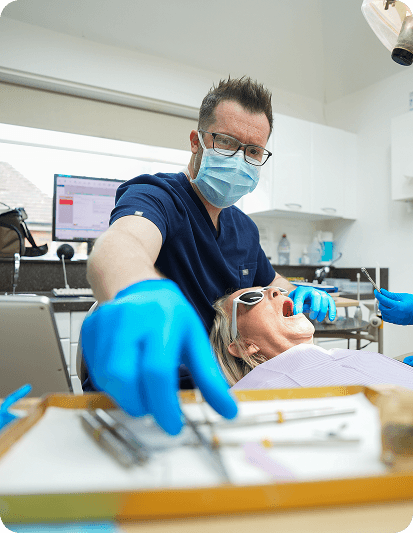
Ask for individual advice about temporary whitening sensitivity, possible limitations and any aftercare instructions that apply.
Attend with a current list of medications and any relevant medical details for the clinician to review.
Mention any known tooth sensitivity, recent enamel loss or recent dental work before treatment begins.
Follow any pre-appointment instructions from the team to ensure your teeth and gums are ready for assessment.

Report new sensitivity or gum soreness promptly so the dentist can reassess and advise.
Avoid changing your whitening usage without clinical advice to prevent worsening symptoms.
Ask about maintenance, stain-prevention and timing for top-up treatments to prolong your results responsibly.
Patients from Rayleigh are welcome to book a suitability conversation and treatment at the Start Smiling practice in Ingatestone. The consultation gives the dental team time to assess sensitivity risk, discuss how restorations affect outcomes and plan any necessary preparatory care before treatment. Whitening suitability is discussed at the Ingatestone practice, where a dentist can review dental history, tooth colour and sensitivity.