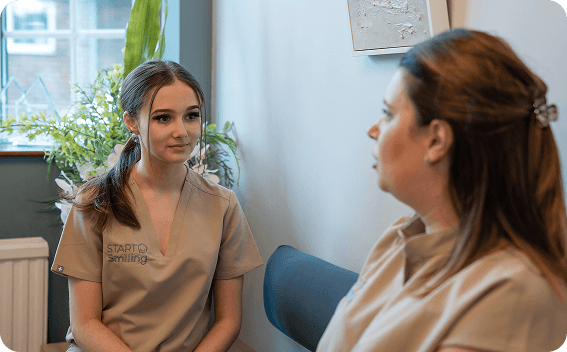
Consultation And Assessment
01
A consultation gives you time to discuss natural tooth colour, tooth and gum health, sensitivity and realistic shade expectations before deciding on care.
If you are wondering How to compare whitening and cosmetic alternatives, start by looking at what each treatment actually alters. Teeth whitening is intended to lighten the natural tooth shade; it will not change the shape of teeth or the colour of existing crowns, veneers, bridges or fillings. Porcelain veneers and composite bonding can adjust both colour and form, but they involve different preparation, maintenance and likely future care. A dentist-supervised new patient consultation can assess oral health, explain the likely benefits and limitations of teeth whitening compared with options such as porcelain veneers, and help you weigh appearance, ongoing care and the practical implications before you decide.
Start Smiling Dental Practice offers dentist-supervised professional teeth whitening assessed and planned at the Ingatestone practice. The team will check suitability, address any untreated dental problems first and provide personalised guidance on whether at-home trays, monitored use or combination approaches are suitable for you.
Whitening may be recommended as part of a broader cosmetic plan. If you are also considering porcelain veneers or composite bonding, the dentist can explain sequencing, for example whitening before any shade-matching for new restorations, and how dental hygiene and general dentistry checks fit into your treatment plan.
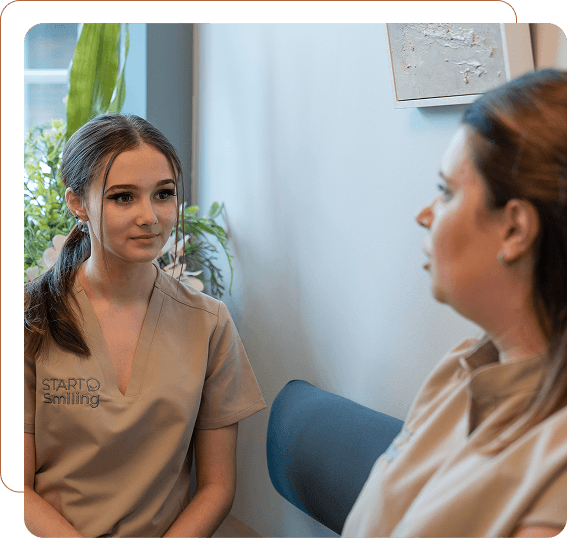
Professional whitening begins with oral-health assessment, realistic shade goals and individually explained instructions.
A consultation gives you time to discuss natural tooth colour, tooth and gum health, sensitivity and realistic shade expectations before deciding on care.
Professional whitening targets deeper stains in natural enamel that a hygiene clean may not remove, helping teeth look brighter while recognising that restorations will not change colour.
A hygiene appointment can remove surface staining from tea, coffee and tobacco, while whitening aims to lighten internal tooth discolouration; the dentist will explain which approach suits your situation.
Teeth whitening changes the shade of natural tooth tissue and does not alter crowns, veneers, bridges, dentures or most fillings, so cosmetic planning may include replacement or matching of restorations.
When clinically appropriate, custom trays and professional gel can be prescribed for at-home use under supervision; clear instructions and follow-up reduce the risk of misuse.
Some patients experience temporary sensitivity or mild gum irritation; the dental team will review any sensitivity and suggest measures to manage discomfort while monitoring progress.
If you want to change tooth shape, cover defects or match a specific shade, porcelain veneers or composite bonding may be discussed as alternatives or complements to whitening, with different maintenance and longevity.
Results vary by individual and cannot be guaranteed; ongoing staining from diet, smoking, medication or ageing may affect how long whitening lasts and whether restorations need adjustment later.
A face-to-face assessment helps the dentist recommend the most appropriate option for your concerns, whether that is whitening, veneers or another cosmetic route.
Professional whitening is provided under dentist supervision to evaluate suitability and manage any risks.
The team checks natural teeth and gums for untreated problems before recommending whitening or cosmetic alternatives.
You will receive tailored advice on methods, realistic outcomes and aftercare instead of a one-size-fits-all approach.
Custom-made trays are offered where clinically suitable and discussed as part of your personalised treatment plan.
Whitening gels and protocols are selected and used as directed by the dentist, with product choice matched to clinical need.
Follow-up appointments and aftercare advice are provided to support good outcomes and to manage any sensitivity.
You will explain your aesthetic aims, any concerns about sensitivity and whether you are considering veneers or other cosmetic work alongside whitening.
A clinician reviews your medical and dental history, current medications and any restorations that could affect suitability for whitening.
The dentist explains whitening methods, the limits regarding crowns or veneers and alternatives such as porcelain veneers or composite bonding when shape or surface defects also matter.
If whitening is suitable, the team outlines whether custom trays, monitored at-home use or a staged approach are appropriate and how progress will be reviewed.
Treatment is started or prescribed under dental guidance, with progress and any sensitivity monitored and the plan adjusted if needed.
You receive practical aftercare instructions on managing sensitivity, reducing re-staining and when to return for review or further cosmetic work.
Teeth whitening may be suitable if your natural teeth are healthy, discolouration is the primary concern and any existing restorations are acceptable or can be managed as part of a broader plan. The dentist will consider the likely cause of staining, from diet and smoking to medication or ageing, and explain how that may influence expected outcomes and longevity.
If you have crowns, veneers, large fillings or uneven tooth shape, whitening alone might not achieve the smile change you want; porcelain veneers or composite bonding can address both colour and form but require different preparation and maintenance. Whitening is not routinely recommended for under-18s except in limited clinical circumstances, and an individual assessment is always needed.
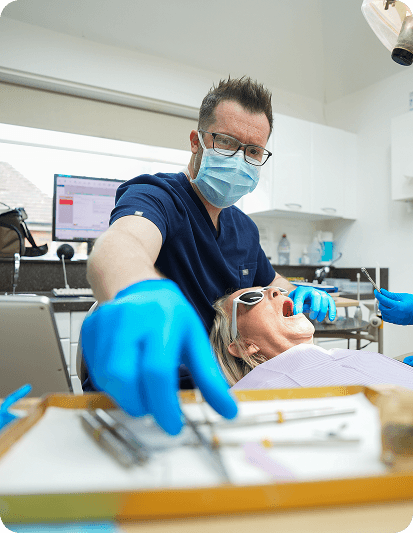
Ask for individual advice about whitening and cosmetic alternatives, possible limitations and any aftercare instructions that apply.
Bring a list of current medications and any previous cosmetic dental work to your appointment.
Attend with good dental hygiene; a hygiene clean or check may be advised before whitening.
Be prepared to discuss whether you want to follow whitening with restorations such as veneers or bonded work.
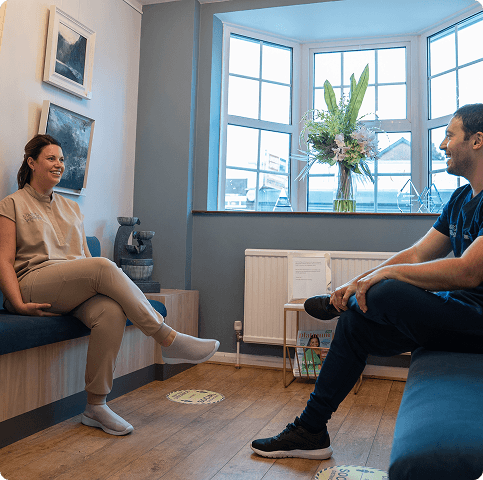
Follow the dentist’s personalised instructions about eating and drinking after treatment.
Report any temporary sensitivity so the team can advise suitable care or adjustments.
If given, use custom trays exactly as instructed and return for planned reviews.
Following tailored guidance reduces the chance of complications and helps you get the most from treatment.
Appointments are provided at the Start Smiling Dental Practice in Ingatestone; a face-to-face consultation matters because it allows shade matching, inspection of restorations and a personalised plan covering whitening, porcelain veneers or other cosmetic options before any treatment proceeds. Whitening suitability is discussed at the Ingatestone practice, where a dentist can review dental history, tooth colour and sensitivity.