Consultation And Assessment
01
A consultation gives you time to discuss natural tooth colour, tooth and gum health, sensitivity and realistic shade expectations before deciding on care.
If you already have visible porcelain veneers, crowns or fillings, you will want to know how whitening affects the overall look of your smile before starting treatment. Teeth whitening changes the shade of natural enamel only and will not alter the colour of porcelain restorations. At your consultation we will review oral health, identify likely causes of staining such as tea, coffee, smoking, ageing or certain medicines, assess sensitivity and discuss realistic expectations. The dentist can explain whether whitening alone is suitable, whether a new patient consultation or combined restorative approach is advisable, and the potential need for restoration-matching afterward.
Professional, dentist-supervised teeth whitening is available from Start Smiling Dental Practice for people searching from Shenfield; appointments are provided at our Ingatestone clinic. The team offers a suitability assessment and personalised guidance so you understand how whitening might change the appearance of natural teeth next to visible restorations. During a new patient consultation we will explain the differences between a hygiene clean and cosmetic whitening, discuss likely stain causes and outline sensible expectations.
Because crowns, veneers and most fillings do not bleach, we will talk through alternatives if they are visible when your natural teeth are lightened. Options may include replacement or re-polishing of restorations to achieve a harmonious result. The dentist will also set out aftercare, how dental hygiene and lifestyle affect longevity, and how a written fee guide and tailored treatment plan will be provided.
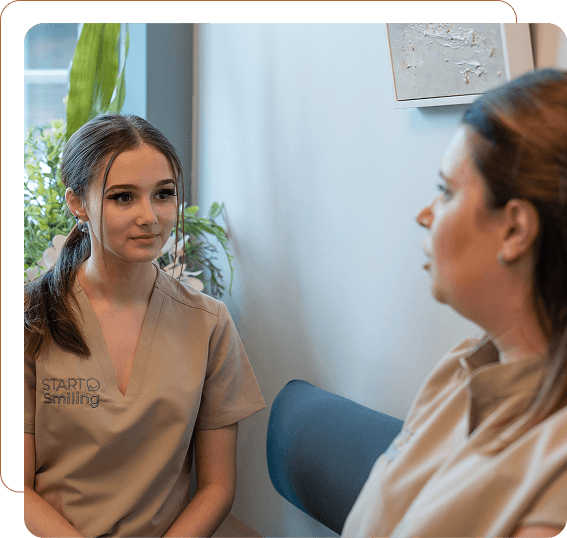
Professional whitening begins with oral-health assessment, realistic shade goals and individually explained instructions.
A consultation gives you time to discuss natural tooth colour, tooth and gum health, sensitivity and realistic shade expectations before deciding on care.
Professional whitening targets many intrinsic and extrinsic stains in natural enamel from ageing, food and drink, smoking or some medicines and may improve tooth shade when appropriate.
A planned outcome can help you feel more confident about your smile, provided visible porcelain veneers or restorations are considered in the overall cosmetic plan.
Whitening is most effective alongside routine dental hygiene and regular hygiene visits to help control new surface staining and to monitor oral health.
Temporary tooth sensitivity or mild gum irritation can occur; the dentist will discuss strategies to reduce and manage these symptoms during and after treatment.
Different staining causes respond differently to whitening; identifying whether discolouration is surface staining, intrinsic change or the result of past trauma guides the approach.
Because porcelain veneers will not change shade with whitening, we will discuss visible-restoration limits and whether whitening then restorative adjustment is the best route.
If natural teeth are lightened and restorations no longer match, the dentist can advise on replacement, adjustment or polishing of restorations as part of a wider plan.
Speak to your dentist at the consultation for tailored advice and a written plan that reflects your priorities.
Treatments are provided under the supervision of a qualified dentist who assesses suitability and monitors treatment progress.
Your natural teeth and gums will be evaluated for decay, gum disease and sensitivity before any whitening is recommended to protect oral health.
We offer tailored advice about expected benefits, potential sensitivity and whether whitening is appropriate alongside existing restorations.
When suitable, customised at-home trays can be provided and fitted by the dentist to help control gel application and coverage.
Professional whitening gels are used as directed by clinicians rather than unregulated retail items, with monitoring as part of treatment.
Follow-up reviews and aftercare advice are provided to help you maintain results and manage any temporary sensitivity.
We will discuss your concerns, desired outcome and any visible restorations such as porcelain veneers so we can plan a realistic approach.
A full medical and dental history is taken to identify conditions or medications that might affect suitability and to screen for untreated dental problems.
Different approaches, including professional at-home tray whitening when suitable, staged treatments and restorative combinations are explained with their benefits and limits.
If appropriate, the dentist will outline a personalised plan, include any necessary hygiene work and explain likely aftercare and monitoring.
When whitening begins you will be monitored for sensitivity and progress; the clinician may adjust the plan or pause treatment if needed.
Aftercare advice covers temporary sensitivity, stain prevention, realistic maintenance expectations and when to consider restorative matching if veneers are present.
Teeth whitening can suit many adults who want to lighten natural tooth enamel, but it is not appropriate for everyone. If you have untreated decay, active gum disease, extensive restorations or significant tooth sensitivity the dentist may recommend treating those issues first or choosing alternative cosmetic options during your new patient consultation.
For patients with visible porcelain veneers or other restorations, careful planning is essential because whitening will not change the colour of those materials. In some cases the recommended route is to whiten natural teeth first and then replace or adjust restorations to match the new shade; the dentist can explain the likely sequence and cosmetic trade-offs.
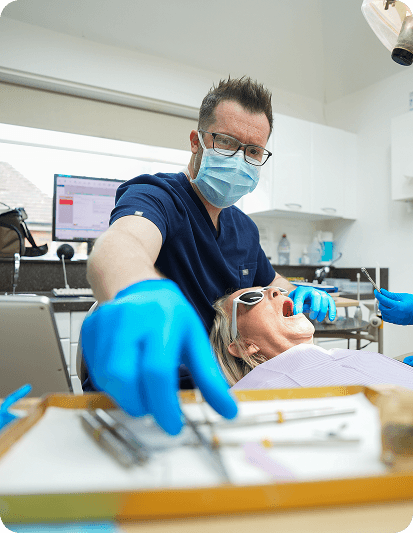
Ask for individual advice about whitening alongside veneers, possible limitations and any aftercare instructions that apply.
Tell us about any recent dental work, including crowns or porcelain veneers.
Bring a list of current medicines and any sensitivity you have noticed.
Maintain routine dental hygiene in the days before your appointment.

Avoid over-the-counter whitening products unless advised by the dentist.
Follow the clinician’s guidance on managing sensitivity after treatment.
Ask about restoration-matching options if you have visible restorations.
Appointments and consultations are carried out at Start Smiling Dental Practice in Ingatestone; the practice will assess restorations and oral health before any whitening is advised. Choosing a practice that reviews veneers, provides a written plan and coordinates hygiene, whitening and any restorative work matters for a balanced cosmetic outcome.