Consultation And Assessment
01
A consultation gives you time to discuss natural tooth colour, tooth and gum health, sensitivity and realistic shade expectations before deciding on care.
When you start a dentist-supervised teeth whitening course it is important to have and follow written, personalised instructions from the dentist who is overseeing your care. These directions will reflect the approach agreed at your new patient consultation, any existing restorations such as porcelain veneers or composite fillings, and whether you have a history of sensitivity. Typical advice covers how to use trays or professional gel, when to pause treatment if discomfort occurs, and short-term habits that reduce re-staining. If anything is unclear at any point, ask for clarification so you can protect your enamel, manage sensitivity and get the best possible outcome for your natural teeth.
Start Smiling offers dentist-supervised teeth whitening from its practice in Ingatestone for people searching from Warley and nearby areas. The team carries out a suitability assessment of natural teeth and gums before recommending a personalised plan; options discussed may include monitored at-home trays when suitable, professional gel used as directed and follow-up reviews to check shade change and comfort.
Professional whitening is aimed at altering the shade of natural enamel and does not change the colour of crowns, veneers, bridges or existing fillings. The dentist will explain limitations, possible temporary sensitivity and aftercare steps to reduce re-staining, and will provide written guidance specific to your course rather than general online instructions.
Professional whitening begins with oral-health assessment, realistic shade goals and individually explained instructions.
A consultation gives you time to discuss natural tooth colour, tooth and gum health, sensitivity and realistic shade expectations before deciding on care.
Whitening aims to change the colour of natural enamel and can help with deeper intrinsic discolouration as well as surface staining when carried out under dental supervision.
Supervised treatments can improve staining from tea, coffee, tobacco and food when combined with good dental hygiene and the dentist's guidance on care during whitening.
You will receive written instructions about product use, wearing times and what to do if sensitivity or gum irritation occurs, so you know how to care for teeth during the course.
Your dentist will plan treatment around crowns, veneers and fillings because whitening changes natural enamel and will not alter the shade of existing restorative work.
The team explains common sensitivity patterns and practical ways to reduce discomfort, including adjusting wear time or recommending desensitising toothpaste where appropriate.
In suitable cases a monitored programme may combine practice reviews with at-home use of custom trays, but the final plan depends on your dental health and the dentist's recommendation.
Aftercare advice covers short-term diet and smoking guidance, timing for maintenance touch-ups and how to look after your teeth to limit re-staining following the supervised course.
Always follow the written aftercare provided by your dentist and raise concerns promptly so the team can adjust your plan if needed.
A qualified dentist plans and oversees whitening, explains risks and benefits, and personalises instructions for your oral circumstances.
A clinical check identifies untreated decay, gum issues or other factors that should be managed before whitening is recommended.
Start Smiling provides written guidance on product use, when to pause treatment and how to manage sensitivity during the course.
Where suitable, custom-fitted trays may be offered to improve gel placement and comfort for at-home elements of a monitored plan.
Only professionally indicated products are used as directed, with reviews to check progress and gum health during treatment.
Start Smiling Dental Practice is based at 5 Market Place, Ingatestone, where the clinical team provides cosmetic and general dentistry including supervised whitening.
You will discuss your goals, the nature of staining, and the difference between whitening and a hygiene clean so expectations are clear from the start.
A dentist reviews your medical history, current medicines and oral health to determine suitability and whether any preparatory care is needed.
The clinician explains personalised options, realistic outcomes, limits such as the effect on restorations, and typical sensitivity patterns to expect.
If whitening is appropriate, you receive a written plan with instructions, estimated timetable and information on how to use any trays or products safely.
Your whitening course is supervised with reviews so the dentist can monitor sensitivity, adjust the regimen and check how natural tooth shade is changing.
After treatment you are given specific aftercare advice on diet, smoking and maintenance, and instructed when to report ongoing sensitivity or concerns.
Teeth whitening may suit you if you have healthy, unrestored natural enamel and realistic expectations about how much the shade can change; it will not alter crowns, veneers or fillings, so your dentist will review any restorative work at the new patient consultation and advise accordingly.
If you have active decay, gum disease, heightened sensitivity or are taking medicines that affect oral health, whitening may be postponed or an alternative recommended; follow the dentist's written instructions throughout the course to protect enamel and manage any discomfort.
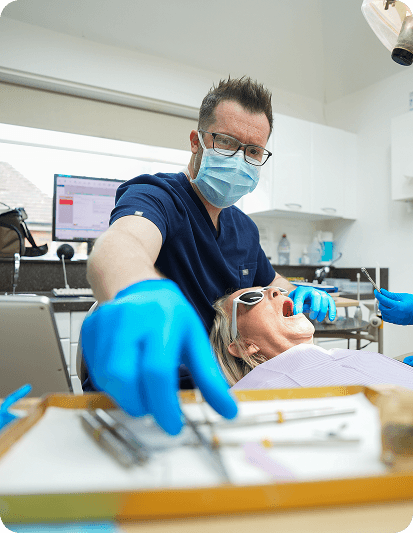
Ask for individual advice about care during whitening, possible limitations and any aftercare instructions that apply.
Attend any recommended hygiene or restorative appointments before starting whitening.
Bring a list of current medicines and your medical history to the first appointment.
Follow your dentist’s written instructions on product use, wearing times and when to pause treatment.

Avoid introducing intense staining habits immediately after treatment as instructed by your dentist.
Report any persistent sensitivity or gum irritation to the dental team promptly.
Use desensitising toothpaste or products only when recommended by your dentist during the whitening course.
For precise care during whitening, rely on the written plan provided at your appointment and contact the practice if anything is unclear.
Patients from Warley are welcome to attend Start Smiling in Ingatestone for a suitability discussion and supervised whitening. Having assessment and reviews at one practice means the dentist can check restorations such as porcelain veneers, monitor sensitivity and give a written aftercare plan tailored to your treatment. Whitening suitability is discussed at the Ingatestone practice, where a dentist can review dental history, tooth colour and sensitivity.