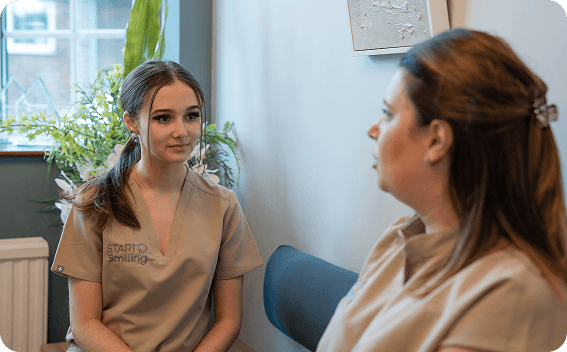
Consultation And Assessment
01
A consultation gives you time to discuss natural tooth colour, tooth and gum health, sensitivity and realistic shade expectations before deciding on care.
If you are thinking about teeth whitening, one of the key factors in what you can realistically expect is your starting tooth shade. Teeth that are mildly stained on the surface often respond differently from teeth that are darker because of intrinsic staining, ageing or trauma. Whitening only changes natural enamel, so crowns, veneers, bridges and fillings will not alter their colour; your dentist will consider this when explaining outcomes. A clinician will assess oral health, note any sensitivity history and describe likely improvements tailored to your teeth and cosmetic goals rather than promising a fixed number of shades.
Start Smiling Dental Practice provides dentist-supervised teeth whitening at its Ingatestone clinic. Before any treatment the team assesses natural teeth and gums, discusses how your starting shade affects likely change and explains how whitening differs from a dental hygiene appointment, which primarily removes external deposits rather than altering tooth shade.
Options such as custom take-home trays can be discussed if appropriate after a suitability assessment. Whitening lightens natural tooth enamel only and will not change the colour of existing crowns, porcelain veneers, bridges or fillings; your dentist can advise on the best sequence of cosmetic steps if you have restorations and will provide personalised aftercare guidance.
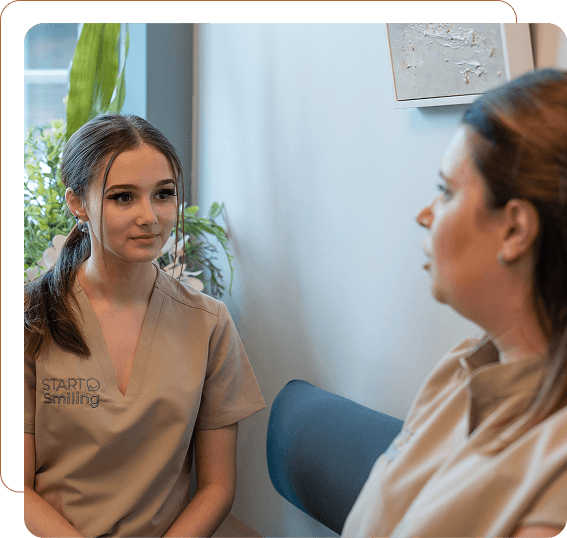
Professional whitening begins with oral-health assessment, realistic shade goals and individually explained instructions.
A consultation gives you time to discuss natural tooth colour, tooth and gum health, sensitivity and realistic shade expectations before deciding on care.
Professional whitening can reduce stains from tea, coffee and tobacco, though the extent of improvement depends on how deeply the teeth are discoloured.
A carefully planned change to natural tooth colour can refresh your smile in a way that complements your features while keeping expectations based on your starting shade.
Using your initial tooth colour as a reference, the dental team discusses modest or more noticeable goals and sets realistic targets rather than promising a specific number of shades.
A hygiene appointment may be recommended first to remove surface deposits so you can see the true effect of whitening on your natural enamel.
Because whitening does not change the colour of restorations, the dentist may plan timing or replacement of crowns and porcelain veneers to harmonise the final appearance.
Enamel condition and the starting shade can influence sensitivity risk; your dentist can tailor products and pacing to reduce discomfort where possible.
Clear guidance on avoiding re-staining foods and on sensible top-up strategies helps preserve results according to your lifestyle and starting shade.
Discuss teeth whitening within a wider cosmetic plan, whether that involves hygiene care, restorations or a tailored at-home tray programme.
All whitening recommendations and monitoring are provided under a dentist’s supervision following a clinical suitability check for natural teeth and gums.
Advice on likely outcomes is tailored to your existing shade, type of staining and cosmetic priorities rather than offering blanket promises.
Bespoke take-home trays may be recommended after a fitting if this approach suits your needs and oral health status.
Treatments use professional materials under clinical instruction, with monitoring of gum health and sensitivity throughout the process.
Follow-up appointments and clear aftercare instructions are provided to support comfort and to discuss any top-up or maintenance options.
If you need preparatory dental hygiene or restorative work, the practice coordinates whitening within your general dentistry plan to help achieve a balanced result.
You will be asked about your smile goals and the role your starting tooth colour plays in what is achievable so the dentist can frame realistic options.
The dentist reviews your medical and dental history, checks for untreated decay or gum disease and assesses any sensitivity that could affect treatment.
Different approaches, including take-home trays and combined strategies where appropriate, are explained along with their limits for natural enamel and restorations.
A tailored plan is agreed that reflects your starting shade, desired outcome and any precautions needed to manage sensitivity or work around restorations.
If you proceed, whitening is delivered under clinical oversight and the team monitors progress and comfort while giving clear instructions for safe use of professional products.
Temporary sensitivity or mild gum irritation can occur; you will receive individualised advice on managing symptoms and on how to help maintain your new shade.
Teeth whitening is suitable for many people looking to refresh the colour of natural teeth, but suitability depends on oral health, the cause of discolouration and whether you have restorations. Healthy gums and no untreated decay are important prerequisites; the dentist will identify any issues that should be managed first as part of your general dentistry care.
Young people under 18 are generally not candidates for cosmetic whitening except in limited clinical circumstances. If you have crowns, large fillings or porcelain veneers, the dentist can explain alternatives or a sequence of treatments so that restorations complement the post-whitening shade.
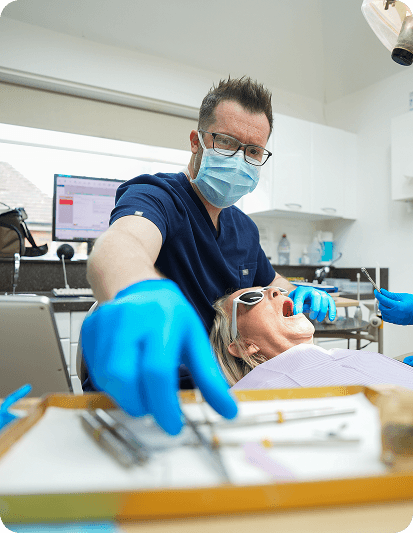
Ask for individual advice about your starting tooth colour, possible limitations and any aftercare instructions that apply.
Have a recent dental hygiene appointment if advised to address surface deposits first.
Bring a list of current medications and any history of tooth sensitivity to your appointment.
Consider taking photos of your smile to demonstrate the look you hope to achieve.
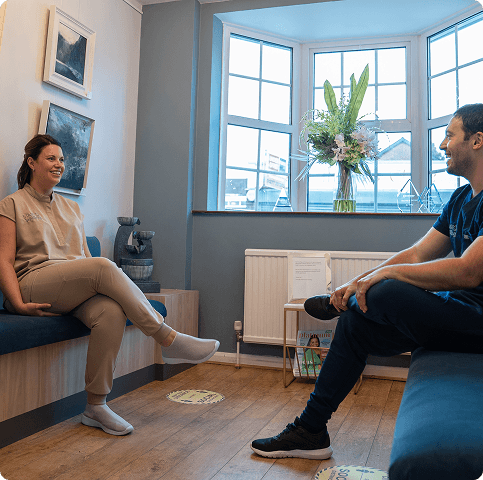
Avoid self-purchase whitening products until you have a professional assessment and recommendation.
Follow the dentist’s personalised instructions for tray wear or product use exactly to reduce risk.
Report any prolonged sensitivity or gum irritation promptly so the team can review your care.
If restorations are present, discuss their timing and appearance as part of your cosmetic plan.
Appointments for a whitening suitability conversation take place at Start Smiling’s Ingatestone practice, where clinicians can examine your starting shade, check for restorations and carry out any recommended pre-treatment care. Choosing a clinic that provides a full assessment matters because tailored planning and proper aftercare help set realistic expectations and reduce the risk of unwanted effects.