Consultation And Assessment
01
A consultation gives you time to discuss natural tooth colour, tooth and gum health, sensitivity and realistic shade expectations before deciding on care.
Deciding whether to book a dental hygiene appointment or dentist-supervised teeth whitening often starts with the type of staining you notice, not with the treatment you prefer. A hygiene visit removes plaque, tartar and many surface stains from coffee, tea or smoking and is important for gum health; it will not alter the internal shade of natural teeth. By contrast, professionally supervised whitening aims to change the natural tooth colour but will not affect crowns, veneers, bridges or fillings. The Ingatestone team will assess your mouth at a new patient consultation, explain realistic-shade expectations and advise whether a hygiene clean should come first.
If you live in Writtle and are considering a brighter smile, Start Smiling offers dentist-supervised teeth whitening from its Ingatestone practice. The team starts with an oral health check to confirm suitability and to ensure there are no untreated problems that might make whitening inappropriate; this assessment is important before any cosmetic work.
At your consultation the dentist will explain the scope and limits of teeth whitening, including why restorations such as porcelain veneers or crowns will not change shade with bleaching. You will receive personalised guidance on realistic outcomes, sensitivity management and any recommended sequence of care, for example receiving a dental hygiene appointment before whitening to remove surface deposits.
Professional whitening begins with oral-health assessment, realistic shade goals and individually explained instructions.
A consultation gives you time to discuss natural tooth colour, tooth and gum health, sensitivity and realistic shade expectations before deciding on care.
Surface stains from food, drink and smoking often respond to a dental hygiene clean, while deeper intrinsic discolouration from ageing, trauma or medicines may need professional whitening to change tooth shade.
Whitening aims to alter the colour of natural enamel and dentine and can produce a noticeable improvement, but individual responses vary and no specific final shade can be guaranteed.
Whitening does not change the shade of crowns, veneers, bridges or fillings, so the dentist may discuss matching or replacing restorations after treatment if required for an even appearance.
Sometimes a dental hygiene appointment first to remove surface deposits, followed by supervised whitening, gives the best outcome; the dentist will recommend the order that suits your mouth.
Some patients experience temporary sensitivity or mild gum irritation during or after whitening; suitability checks and tailored aftercare can help reduce discomfort.
How long whitening effects last depends on diet, smoking and oral hygiene; your dentist can advise maintenance steps and possible refreshers to help preserve results.
Custom trays may be recommended for supervised at-home whitening as part of a personalised plan, but methods and timings depend on your assessment and preferences.
Treatments are delivered under dentist supervision following a suitability assessment to support safe care and realistic planning.
Natural teeth and gums are examined before any whitening is recommended so that decay or gum disease are addressed first if needed.
Advice covers realistic expectations, sensitivity prevention and whether a dental hygiene visit should precede whitening.
Custom trays can be offered for at-home use where clinically suitable and when a supervised approach is appropriate.
Only professional products are applied under the team’s guidance and monitoring; the dentist will explain use and precautions.
The practice provides follow-up, checks and tailored aftercare information to help manage sensitivity and preserve outcomes.
We will discuss your concerns, any previous dental treatment and your cosmetic goals to establish whether whitening or a hygiene clean is appropriate.
You will be asked about dental history, sensitivity, medicines and existing restorations so the dentist can decide if whitening is safe and suitable.
The dentist will explain the differences between dental hygiene care and teeth whitening, realistic-shade outcomes and how restorations like crowns or porcelain veneers are affected.
A personalised plan will set out whether in-practice or supervised at-home tray whitening is recommended, any preparatory hygiene work and how monitoring will take place.
If you proceed, whitening is provided under supervision with monitoring for sensitivity or gum issues and adjustments to the plan if required.
Aftercare advice covers temporary sensitivity, avoiding staining foods and drinks as instructed and attendance at review appointments to check gum health and results.
Teeth whitening can suit many adults with natural tooth discolouration, but it is not appropriate in every case. The dentist will assess for decay, gum disease, high sensitivity and the presence of restorations, and will explain whether a dental hygiene appointment should come first to address surface stains.
Cosmetic whitening is not generally offered to under-18s in the UK except in limited clinical circumstances; if you think an exception might apply, discuss this at your appointment. If you are pregnant, breastfeeding or taking certain medicines, the dentist will review whether whitening is appropriate for you.
If you have crowns, veneers or large restorations the dentist will explain how whitening could affect overall appearance and whether restorative adjustments are advisable afterwards to achieve a uniform result.
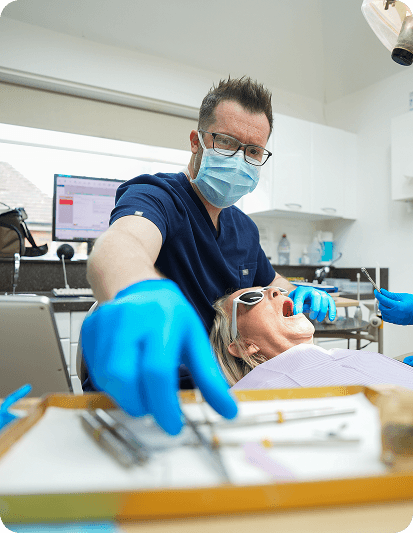
Ask for individual advice about cleaning versus whitening, possible limitations and any aftercare instructions that apply.
Arrange any overdue routine checks so issues are treated before cosmetic care.
Avoid whitening if you have untreated cavities or active gum disease until these are treated.
Bring a list of current medicines and details of past dental restorations to your appointment.
Expect possible temporary sensitivity and follow the dentist’s recommendations to manage it.
Avoid highly staining foods and drinks for the period advised by your dentist.
Attend any review appointments so the team can check gum health and the stability of results.
Start Smiling provides teeth whitening consultations and treatments from its Ingatestone practice, where a dentist will assess your suitability and discuss realistic expectations in person. Choosing a practice for consultation matters because a clinical assessment ensures the proposed treatment suits your oral health and cosmetic aims. Whitening suitability is discussed at the Ingatestone practice, where a dentist can review dental history, tooth colour and sensitivity.