Broken a Tooth While Eating? What to Do Next in Ingatestone

Start Smiling

Written By:

Start Smiling

icon

Published Date:

Nov 24, 2026
#Toothache

If you have just felt a crack or chipped a tooth on something hard, take a slow breath. Many teeth can be protected and repaired when you act quickly. This guide explains what to do if you break a tooth, how to tell if it is urgent, and how we can help at Start Smiling in Ingatestone.

For rapid advice from an emergency dentist Ingatestone, call 01277 353456. We are open Monday to Friday, 8.30am to 5.30pm, with same-day appointments offered where possible.

Stay calm: your quick plan for a broken tooth

  • Many broken teeth can be stabilised and repaired if you move promptly.

  • Below you will find clear chipped tooth first aid and how to arrange help.

  • Our friendly team will guide you step by step and arrange urgent care in Ingatestone where we can.

First five minutes: immediate steps to protect your tooth

  • Rinse your mouth gently with warm water to clear any debris.

  • If there is bleeding, apply gentle pressure with clean gauze or a soft cloth for up to 10 minutes.

  • If you can, save broken tooth fragment. Handle it carefully and keep it moist in milk or sterile saline. Avoid storing it in tap water for a long time.

  • Place a cold compress on your cheek over the area to reduce swelling. Do not put ice directly on the tooth.

  • Avoid chewing on the injured side. Choose soft foods and cool or lukewarm drinks.

  • Call a dentist promptly to arrange an urgent assessment. You can reach us on 01277 353456.

Note: A broken tooth is different from a fully knocked-out tooth. Do not try to replant fragments of a broken tooth. If a whole adult tooth has been knocked out, that needs different steps and very urgent care. Call us for guidance.

Is it an emergency? When to call us now

Please contact us for emergency dental care as soon as possible if you notice any of the following:

  • Severe tooth pain or persistent sensitivity to hot or cold

  • A visible pink or red spot in the centre of the tooth

  • Sharp edges that are cutting your tongue or cheek

  • Tooth pain and swelling of the gum or face

The sooner we assess a broken tooth, the better the chance of saving it and preventing infection.

How to reach us: call 01277 353456. We are open Monday to Friday, 8.30am to 5.30pm. Same-day appointments are offered where possible.

If you have severe swelling, fever, spreading pain, trauma to the face or jaw, difficulty swallowing or breathing, or you feel very unwell, seek urgent medical help immediately.

What not to do and common myths

  • Do not use superglue or household adhesives on a tooth or crown.

  • Do not scrape or probe the broken area.

  • Do not place aspirin on the gum. Take pain relief only as directed on the packet or by your GP or pharmacist.

  • Do not delay. Cracks can deepen and allow bacteria to enter.

Short-term comfort until your appointment

  • Take over-the-counter pain relief such as paracetamol or ibuprofen as directed, unless you have been advised not to take them. If unsure, speak to your GP or pharmacist.

  • Rinse gently with warm salty water to help keep the area clean.

  • If there is a sharp edge, use pharmacy dental wax or a little sugar-free chewing gum to cover it for comfort.

  • Avoid very hot or cold foods and avoid hard, crunchy, or sticky items.

How dentists fix a broken tooth: your treatment options

After a gentle examination and X-rays if needed, we will explain your options and help you choose a plan that suits you. The right approach depends on the size and depth of the break, the health of the nerve, your bite, and the strength of the remaining tooth. All treatment is subject to a full clinical assessment and suitability.

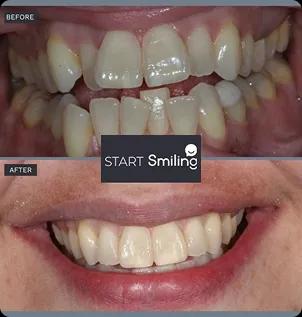
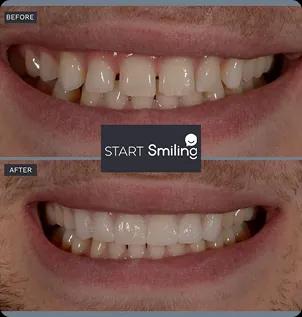
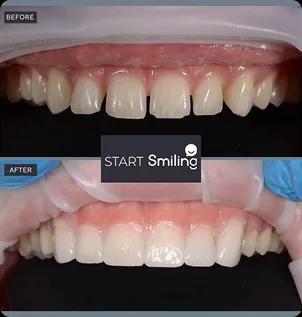
Minor chip: Small enamel chips are often managed with smoothing and polishing, or with tooth-coloured bonding. We may recommend dental bonding for chipped tooth to restore shape and protect the edge, sometimes in a single visit depending on suitability.

Moderate break: If a larger portion has broken, we may recommend a partial restoration such as an onlay, or a full crowns and bridges solution to restore strength and appearance. A dental crown for broken tooth helps spread biting forces and can reduce the risk of further damage when appropriate.

Deep break with nerve involvement: If the nerve is inflamed or exposed, we may advise root canal treatment to remove infection and save the tooth, followed by a crown for long-term protection. Root canal treatment for broken tooth is carefully planned to relieve symptoms and stabilise the tooth, depending on suitability.

Split tooth or break below the gumline: Some teeth cannot be predictably repaired and may need extraction. If a tooth needs to be removed, we will discuss caring, modern replacement choices such as a bridge or a dental implant. For more detail on implants, see our previous blog, dental implants guide. Suitability depends on your consultation, oral health and clinical assessment.

Every plan is tailored after a full clinical assessment. We explain the steps, timings, and how to look after your repaired tooth for the long term.

Nervous about treatment? We can help you relax

Feeling anxious is common after a dental injury. Our team takes a gentle, patient-first approach with clear explanations and care at your pace. We also offer sedation and relaxation options for suitable patients to help you feel more comfortable during treatment.

Preventing future breaks

  • Take care with hard foods such as ice, unpopped popcorn kernels, bones, olive stones, and boiled sweets.

  • Do not use your teeth as tools. Avoid nail-biting and tearing packets with your teeth.

  • If you grind or clench, ask about a custom nightguard to protect your teeth, and keep up regular check-ups and hygiene visits. We can spot early cracks, advise on strengthening treatments, and protect weak edges before they break.

Need urgent help in Ingatestone? Contact Start Smiling

If you have a broken tooth while eating and need advice now, call 01277 353456. You can also request emergency dental care through our website. Mention that you have a broken tooth while eating so we can triage you quickly.

Find us at: 5 Market Place, Ingatestone, Essex, CM4 0BY. We are open Monday to Friday, 8.30am to 5.30pm. Same-day appointments are offered where possible.

Ready to book or ask a question? Please contact Start Smiling Dental Practice. We are here to help.

For more on our approach to gentle, modern care, you might enjoy our blog, Smile with Confidence at Start Smiling.

bg

Frequently Asked Questions

Rinse gently with warm water, apply gauze if bleeding, save any fragment in milk or saline, use a cold compress on your cheek, avoid chewing on that side, and call us for urgent advice.
Yes. Handle it carefully and keep it moist in milk or sterile saline. Avoid leaving it in tap water for a long time. Bring it to your appointment.
Often yes. Options include smoothing, bonding, onlays or crowns. If the nerve is affected, root canal treatment may be advised. Suitability depends on your assessment.
Not always, but many are time-sensitive. Severe pain, sensitivity, swelling, or a visible pink centre are urgent signs. If you are unsure, call us and we will guide you.
Use paracetamol or ibuprofen as directed, unless advised otherwise by your GP or pharmacist. Avoid aspirin on the gum. Rinse gently with warm salty water and avoid very hot or cold foods.
Call 01277 353456. We are open Monday to Friday, 8.30am to 5.30pm, and offer same-day appointments where possible.