Replace One Missing Tooth
01
An implant-supported crown may replace one missing tooth where suitable, following clinical assessment and careful planning.
Start Smiling Dental Practice is based in Ingatestone and welcomes patients from Havering Museum and the surrounding area who are exploring dental implants. Dental implants are artificial tooth-root replacements, commonly titanium posts placed in the jawbone, which can support a crown, bridge or denture depending on your needs; for more detail on the clinical process see our dental implant treatment information.
If you live near Havering Museum and are considering private dental implant treatment, our Ingatestone team can discuss clinical options and a personalised plan. Implant treatment is surgical and tailored to you; suitability and the best plan will be confirmed only after a clinical assessment and any necessary diagnostic imaging.
Patients may travel by car, train or bus to attend consultations and treatment at our Ingatestone practice, and the team will explain any preparatory care that might be needed before placement.

Implants can replace or support missing teeth in several ways depending on your clinical needs.
An implant-supported crown may replace one missing tooth where suitable, following clinical assessment and careful planning.
Multiple implants can support a bridge to restore a run of missing teeth where suitable.
Implants can help retain or stabilise a denture for improved comfort and chewing in some cases.
Implants can restore chewing ability better than removable options for some people, depending on the situation.
Where bone and soft tissues allow, implants can help maintain facial contours compared with some removable options.
Start Smiling Dental Practice is based in Ingatestone and welcomes patients from Havering Museum.
Implants can replace a tooth without using neighbouring healthy teeth as support when appropriate.
With good home care and regular professional reviews, implant restorations can be maintained, repaired or replaced as needed.
Clinical suitability and the best restorative option will be confirmed after assessment and appropriate diagnostic imaging.
We explain each stage clearly and involve you in decisions about implant options.
We use up-to-date diagnostic tools to plan implant treatment where appropriate.
Surgical placement is coordinated with restorative design to achieve the intended outcome.
Every implant plan is based on your oral health, medical history and treatment goals.
We emphasise hygiene, review and maintenance to support the long-term health of implants.
You will receive care from our dental team who will discuss clinical options and aftercare.
A clinician will take your medical and dental history and examine your mouth to assess suitability.
X-rays or digital scans may be taken to plan implant position and the final restoration accurately.
Any active gum disease or problematic teeth will be treated first; some patients may need bone grafting or other preparatory procedures.
The implant is placed in the jawbone, normally under local anaesthetic; the clinician will explain anaesthesia and aftercare.
A period of healing allows the implant to integrate with the bone; the team will monitor progress and address concerns.
A crown, bridge or denture is fitted when clinically appropriate and a maintenance schedule is agreed.
Dental implants may be appropriate if you have one or more missing teeth, adequate bone for implant support or are suitable for bone augmentation, and your general and oral health allow surgical treatment. A clinical assessment, relevant X-rays or scans, and a discussion about your medicines and medical history are needed to determine suitability and alternatives.
Not everyone is suitable for implant treatment. Factors such as active gum disease, smoking, certain medical conditions or low bone volume can affect risk and outcomes; implant treatment has recognised risks and not every implant integrates successfully, and these risks, benefits and alternatives will be discussed before you consent to treatment.
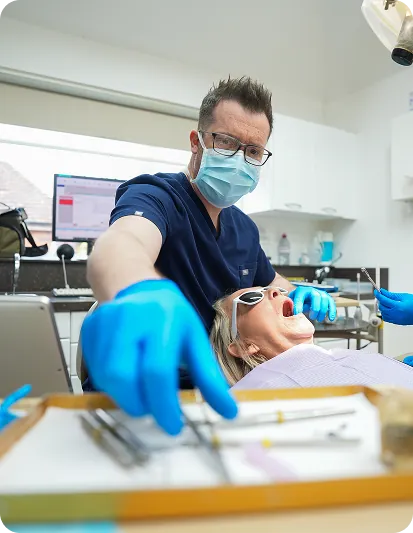
We offer a range of supportive care to prepare for and maintain implant restorations.
Hygiene appointments: Regular professional cleaning and gum checks to support implant health.
Periodontal treatment: Care for gum disease before implant work proceeds, where needed.
Restorative dentistry: Design and fitting of crowns, bridges and denture work to attach to implants.

Diagnostic imaging: Use of appropriate X-rays or digital scans for accurate planning.
Aftercare reviews: Scheduled follow-ups to monitor healing and integration after implant placement.
Maintenance advice: Practical guidance on brushing, interdental cleaning and home care around implants.
Preparatory care and maintenance are important parts of a successful implant pathway.
If you are travelling from Havering Museum to see Start Smiling Dental Practice, our Ingatestone team will prepare a clear plan at your consultation so you understand the assessments and likely treatment stages for dental implants. Please allow time to discuss clinical questions and any preparatory care that may be needed during your visit.
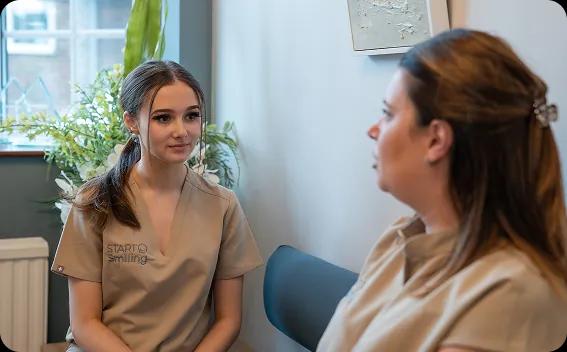
To discuss dental implants and whether they may be suitable for you, call Start Smiling Dental Practice on 01277 353456 to arrange a consultation at our Ingatestone practice; patients from Havering Museum are welcome to book an assessment where the clinician will review your oral health and explain appropriate investigations.
During your visit the clinician will assess your oral health, explain appropriate investigations and outline possible treatment pathways; please see our fee guide for details on consultation and treatment costs.