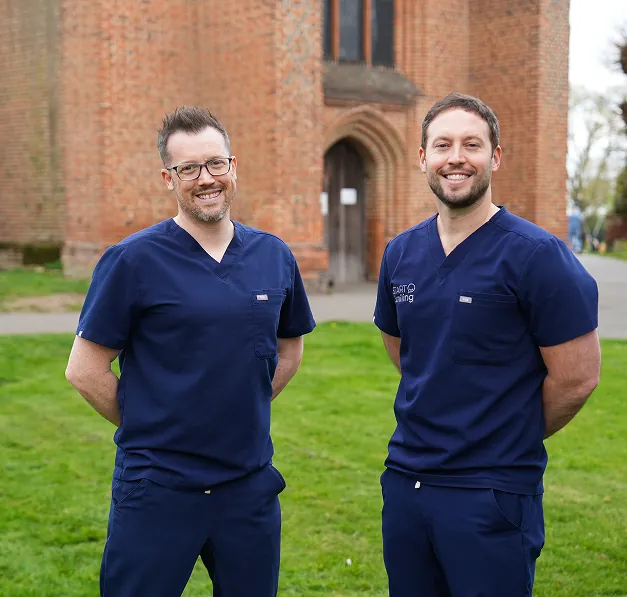
Replace A Full Arch Of Teeth
01
Multiple dental implants may support replacement teeth for a complete upper or lower arch where clinically appropriate, following detailed assessment and planning.
Full arch dental implants replace or restore a complete upper or lower arch using multiple dental implants placed in the jawbone to support replacement teeth across the arch; patients near Havering Museum can arrange an assessment at our Ingatestone practice to discuss options, likely next steps and any preparatory care that may be needed.
If you live near Havering Museum and are exploring replacement teeth for a full arch, we can arrange a detailed implant assessment at our Ingatestone practice. Your assessment may cover the clinical suitability of full arch dental implant treatment and the investigations needed, such as digital scans or X-rays, so you understand the options before deciding to proceed. For more general information on implant care and planning see our dental implants information.
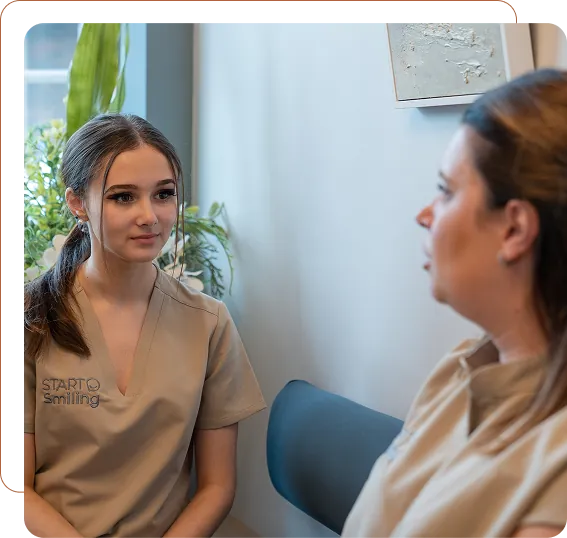
Treatment options are tailored to clinical findings and your goals, and may offer improved stability, function and appearance where appropriate.
Multiple dental implants may support replacement teeth for a complete upper or lower arch where clinically appropriate, following detailed assessment and planning.
Implant-retained solutions can make removable dentures sit more securely and be easier to wear for everyday use.
Well-planned restorations can help you eat a wider range of foods once healing and integration are complete and where clinically appropriate.
A full-arch solution can be part of a wider treatment approach when many teeth are missing or have a poor prognosis.
Restorations can help support soft tissues in ways that suit your individual facial features and aesthetic goals.
Implant support can avoid placing extra load on healthy teeth worth preserving and can be integrated into a mixed restorative plan.
Depending on the clinical plan you may be offered a removable implant-retained overdenture or a fixed implant-supported bridge.
The practice aims to produce natural-looking outcomes while keeping your long-term oral health and maintenance under review.
The practice aims to produce natural-looking outcomes while keeping your long-term oral health under review.
Consultations and treatments are delivered with clear explanations and time for your questions.
We use appropriate digital records, X-rays and scans to plan treatment and assess clinical suitability.
Treatment is planned to recreate natural-looking teeth and a functional bite that meets your goals.
Your assessment and treatment planning are coordinated by our dental team, with each stage explained before you decide how to proceed.
You will be supported to compare alternatives, understand risks and set realistic expectations before treatment.
Aftercare and regular reviews are part of the plan to help preserve implant health and restorations.
Your clinician will review medical history, medicines, smoking and other risk factors, gum health, remaining teeth, bite, hygiene and expectations to determine clinical suitability.
X-rays, digital scans or 3D imaging may be used to plan implant positions and the restorative design and to identify any preparatory needs.
Treatments such as stabilising gum disease, removing unrestorable teeth or bone grafting may be scheduled if needed as part of a staged plan.
Implants are usually placed under local anaesthetic in a surgical appointment; your clinician will explain aims, risks and likely steps beforehand.
You will have scheduled reviews to monitor implant integration and healing; timelines vary between patients and by arch.
The final bridge or overdenture is fitted when the clinician confirms readiness and a maintenance plan is agreed to support long-term care.
Suitability varies between patients and requires individual clinical assessment; full arch implant treatment may be considered when many teeth in an arch are missing, when remaining teeth have a poor prognosis, or when someone is struggling with a conventional denture.
Remaining teeth are assessed individually and teeth that can reasonably be maintained will generally be preserved rather than removed automatically.
Alternatives include conventional dentures, partial restorations, implant-retained removable dentures or restorative work to maintain suitable teeth; your clinician will discuss likely benefits, limitations and risks to help you make an informed choice.
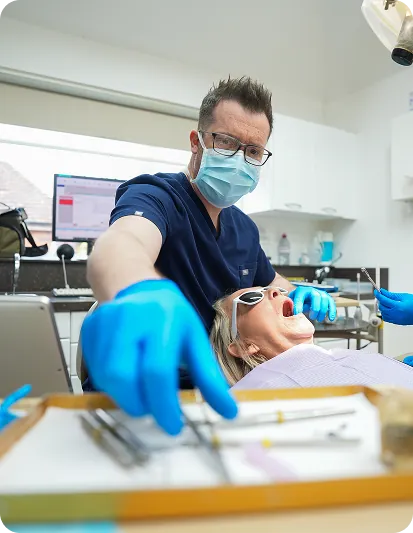
Care before and after implants helps improve outcomes and protect oral health.
Professional hygiene care to manage plaque and gum health before and after implants.
Restorative dentistry including crowns and bridges where needed to support a comprehensive plan.
Oral health stabilisation to control gum disease or other issues before implant work begins.
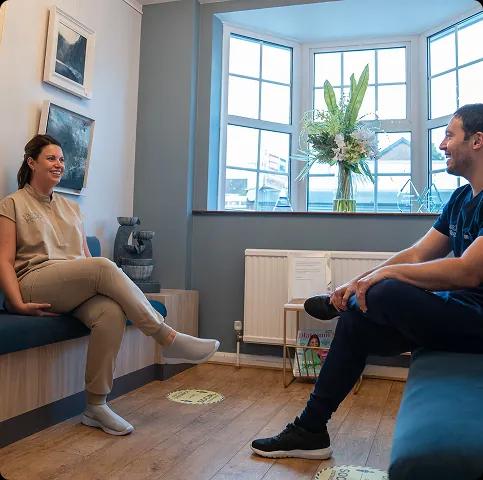
Ongoing reviews to monitor implant health and the condition of restorations.
Maintenance guidance with clear instructions for cleaning around and beneath implant restorations.
Tailored follow-up schedules based on your individual risk and needs.
Maintenance and reviews are important parts of long-term implant care.
If you are considering full arch dental implants and travel from Havering Museum, you can reach Start Smiling Dental Practice in Ingatestone by car, rail, bus or taxi. When you book an appointment our team will provide practical arrival information so you can plan your visit with confidence.
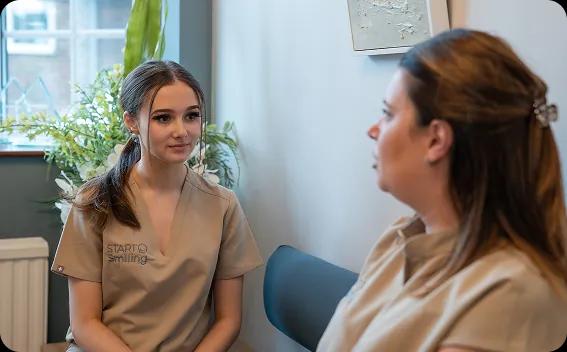
For patients near Havering Museum interested in full arch dental implants, the next step is a private consultation and assessment at our Ingatestone practice where the clinician will explain possible options, investigations and the likely sequence of care.
To arrange a consultation call Start Smiling Dental Practice on 01277 353456 or visit Start Smiling Dental Practice, 5 Market Place, Ingatestone, Essex, CM4 0BY.