Replace One Missing Tooth
01
An implant-supported crown may replace missing tooth where suitable, following clinical assessment and careful planning.
If you are searching for dental implants near Ingatestone Station, Start Smiling Dental Practice can explain whether implant treatment may be suitable for you. Dental implants are artificial tooth-root replacements, commonly titanium posts, placed in the jawbone to support a crown, bridge or denture when clinically appropriate. Implant treatment is a surgical pathway that begins with a clinical assessment of your oral health, bone and gum condition, medical history, medicines and smoking status and your treatment goals so an appropriate plan can be made and risks managed.
Start Smiling Dental Practice is based in Ingatestone and welcomes patients from Ingatestone Station. Our private dental practice offers modern diagnostics and personalised planning to help decide whether implants are a suitable option for you and we explain alternatives, expected stages and likely aftercare so you can weigh benefits and limitations.
If you would like more detailed information on the procedures we offer, see our dental implant treatment page.

Dental implants can address different needs depending on clinical suitability.
An implant-supported crown may replace missing tooth where suitable, following clinical assessment and careful planning.
Two or more implants can support a fixed bridge to replace several adjacent teeth without using neighbouring healthy teeth as anchors.
Implants can retain or help stabilise an existing denture to improve fit and function for suitable candidates.
Implants can restore biting and chewing efficiency compared with some removable options, depending on your case.
Replacing missing teeth can reduce speech changes that sometimes occur with tooth loss and poorly fitting dentures.
Replacing teeth where appropriate can help support soft tissues and the profile of the lower face for some people.
An implant replacement often leaves neighbouring natural teeth untouched, unlike some traditional bridge preparations.
Implant treatment includes planning for the final crown, bridge or denture and for ongoing maintenance after fitting.
We will explain likely stages and aftercare and plan restorations to work with your mouth and function.
You will be seen by our dental team who provide patient-focused consultations and explain options clearly.
We tailor planning to your mouth, medical history and restoration goals rather than using a one-size-fits-all approach.
Where clinically required we use x-rays or digital scans to plan implant placement and restorations.
We explain potential risks, alternatives and what to expect before any treatment begins so you can make an informed decision.
We design the final crown, bridge or denture to work with your bite, function and appearance, including links to crowns and bridges where relevant.
We agree a review and hygiene schedule to help monitor implant health and restorations after treatment.
A clinician will review your oral and gum health, remaining teeth, medical history, medicines and smoking status to assess suitability.
If implants are appropriate, we take x-rays or scans and prepare a restorative plan to decide the number and position of implants.
Active gum disease or untreated dental problems will be treated first; some patients may need bone grafting or other preparatory procedures where clinically necessary.
Implants are placed surgically, commonly under local anaesthetic; the clinician will explain the procedure, likely aftercare and potential complications beforehand.
Time is allowed for the implant to integrate with bone; we review healing and advise on hygiene and any temporary restrictions during recovery.
When healed, a crown, bridge or denture is fitted and an ongoing maintenance plan is agreed to support long-term health.
Dental implants may be appropriate for people with one or more missing teeth, for those seeking improved denture stability, or when preserving adjacent natural teeth is a priority. Suitability can only be confirmed after a clinical assessment that considers oral and gum health, remaining teeth, bite, bone quantity and quality, medical history, medicines you take, smoking and your treatment goals.
Implant treatment carries possible complications and, in some cases, an implant may not integrate with the jawbone. Your clinician will explain likely benefits, potential risks and alternatives such as bridges or conventional dentures, so you can make an informed decision that fits your overall dental health.
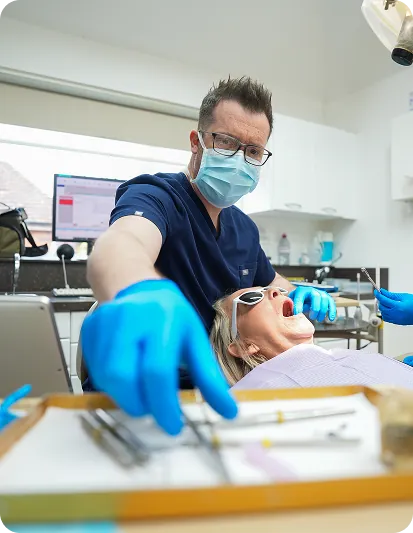
We provide related care and services to support implant planning, placement and maintenance.
Diagnostic x-rays and digital scans where clinically appropriate.
Gum disease treatment and dental care before implant planning if needed.
Restorative crowns, bridges and denture design to work with implants.

Professional maintenance appointments to monitor implant health.
Home care advice for cleaning around implants and restorations.
Coordinated referrals for additional surgical or specialist support when necessary.
We coordinate care and aftercare to support long-term restoration health.
Our practice is in Ingatestone and welcomes patients travelling from Ingatestone Station by train, car, bus or on foot. If you have questions about making an appointment or access, our reception team can help when you call or use our online contact options.
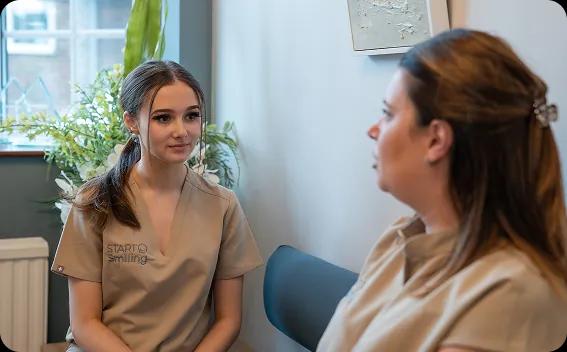
If you would like to discuss dental implants near Ingatestone Station, call Start Smiling Dental Practice on 01277 353456 to arrange a consultation or visit our contact page.
During the appointment we will assess your mouth, explain options and provide clear information about any investigations that may be needed and the likely next steps.