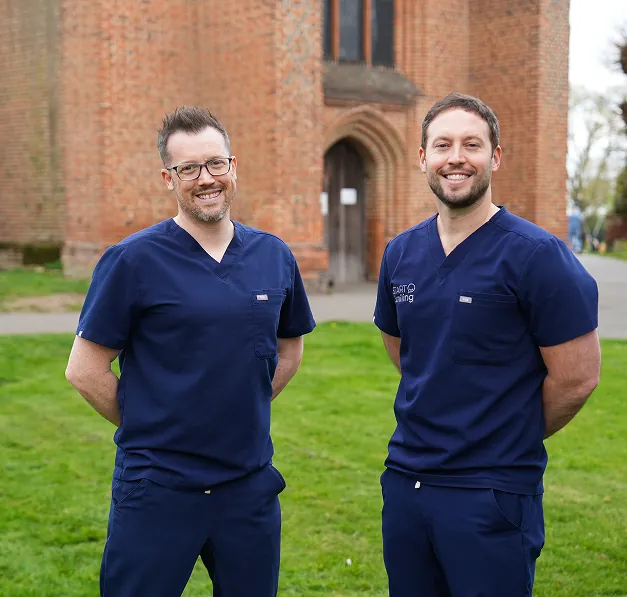
Replace A Full Arch Of Teeth
01
Multiple dental implants may support replacement teeth for a complete upper or lower arch where clinically appropriate, following detailed assessment and planning.
Full arch dental implants replace a complete upper or lower arch of teeth by using multiple dental implants placed in the jawbone to support replacement teeth across a full upper or lower arch. Patients travelling from Ingatestone Station visiting Start Smiling Dental Practice can expect clear explanations of clinical options and care planned around your needs and expectations, including the likely investigations and choices involved in full arch dental implant treatment.
Start Smiling Dental Practice is based in Ingatestone and welcomes patients travelling from Ingatestone Station by train, car, bus or on foot.
Our private dental practice offers calm, modern facilities and a patient-first approach so you can explore full arch treatment with clear information and time to decide. We do not pressurise you to choose a particular option and will discuss alternatives before any treatment proceeds.
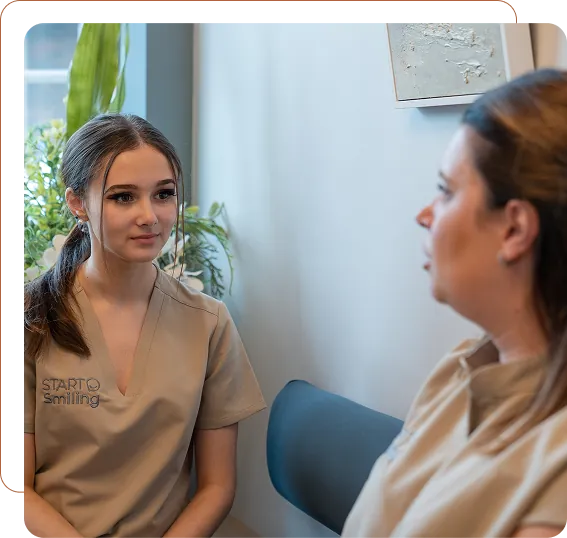
A full arch implant restoration can address function, appearance and long-term maintenance when planned carefully.
Multiple dental implants may support replacement teeth for a complete upper or lower arch where clinically appropriate, following detailed assessment and planning.
Implant-retained restorations can reduce movement and improve comfort compared with some conventional dentures for suitable patients.
Carefully planned implant restorations aim to improve chewing compared with failing teeth or unstable dentures while considering your bite and goals.
With the right restorative design and maintenance a full-arch solution can be easier to manage than a complex, failing dentition.
Replacing missing teeth may help maintain facial contours when the restoration is planned with supportive restorative aims.
A well-planned full-arch restoration can minimise the need for repeated short-term repairs, depending on your situation.
Implant-supported teeth can address speech changes that occur with many missing teeth or unstable dentures.
Detailed planning allows the team to design a restoration that balances appearance, function and future maintenance.
Speak to the team to discuss which benefits may apply to you.
We take time to understand your priorities and explain choices in plain language so you feel in control.
Where clinically appropriate, x-rays and digital records guide implant placement and restoration design.
Dentists and technicians work together on the planned restoration to aim for natural-looking results.
We explain possible complications, alternatives and what follow-up care involves before any decision is made.
The team can discuss measures to help with dental anxiety and make appointments manageable.
Your assessment and treatment planning are coordinated by our dental team, with each stage explained before you decide how to proceed.
A dentist will review your general health, gum health, remaining teeth, bite and oral-hygiene ability to consider suitability for a full-arch restoration.
Appropriate x-rays, scans and impressions are taken where needed to plan implant positions and the final restoration; planning aims to balance function and appearance.
Any gum disease is stabilised, teeth that cannot be retained may be discussed and treated, and some patients may need bone grafting or other preparatory work.
Implants are placed surgically, commonly under local anaesthetic; sedation options can be discussed if clinically appropriate and available.
Healing and integration with the jawbone vary by person. One or more implants may not integrate and prosthetic complications can occur; the team will explain possible next steps if this happens.
The definitive bridge or removable overdenture is fitted when clinically appropriate and followed by planned hygiene appointments and regular reviews to protect long-term health.
Suitability varies between patients and depends on many factors including your oral health, remaining teeth, bone quality, medical history, medicines, smoking, hygiene ability and personal goals. Full-arch treatment is one option among others and requires individual clinical assessment.
We always assess remaining teeth carefully; teeth that can be reasonably preserved may be retained rather than removed automatically to make way for implants. Alternatives may include retaining and restoring suitable teeth, conventional dentures, implant-retained removable options or choosing not to proceed, and decisions are made together after assessment with clear information about risks, benefits and likely maintenance.
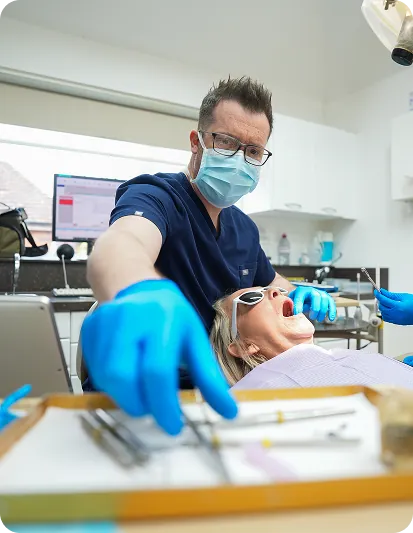
Additional care and maintenance that support full-arch treatment.
X-rays and digital records to guide implant planning where appropriate.
Periodontal treatment to stabilise gum disease before implant surgery if needed.
Restorative dentistry including crowns, bridges or provisional teeth to support the overall plan.
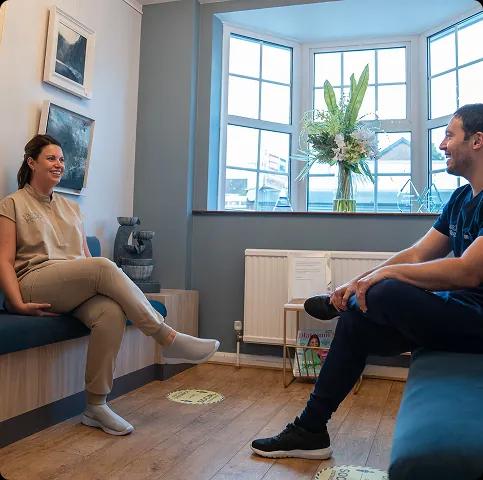
Sedation options are explained sensitively to manage anxiety during procedures.
Long-term maintenance may include professional hygiene care alongside regular reviews and careful cleaning at home.
Scheduled check-ups to monitor implant health and address any issues early.
Long-term maintenance is coordinated with hygiene appointments and clinical reviews.
Our practice is in Ingatestone and we welcome patients arriving from Ingatestone Station by train, car, bus or on foot. If you have specific access or timing needs, the team can advise on practical arrangements when you phone to book.
To discuss full arch dental implants near Ingatestone Station, call Start Smiling Dental Practice on 01277 353456 to arrange an initial consultation. We will explain the assessment process, outline likely investigations and provide a personalised estimate following clinical review at our Ingatestone practice.