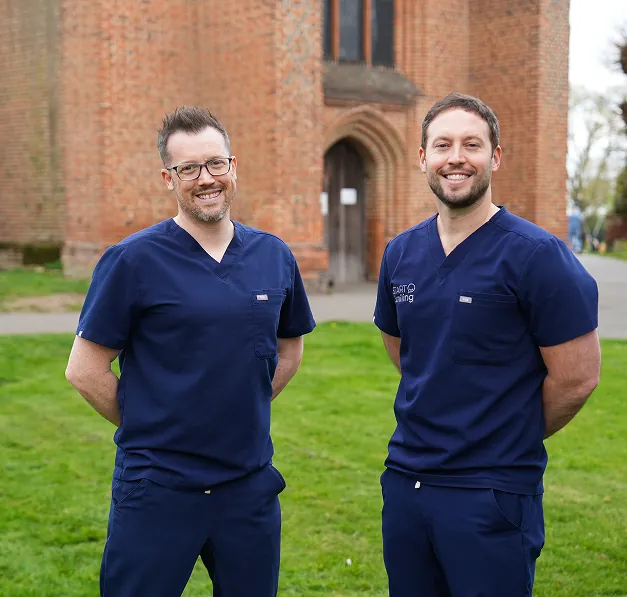
Replace A Full Arch Of Teeth
01
Multiple dental implants may support replacement teeth for a complete upper or lower arch where clinically appropriate, following detailed assessment and planning.
Start Smiling Dental Practice is based in Ingatestone and welcomes patients from Ingatestone Hall and Chelmsford Cathedral seeking full arch dental implants. Multiple dental implants are placed in the jawbone to support replacement teeth across a full upper or lower arch, and we explain options plainly, assess oral health and plan treatment that matches your goals without pressure.
Full arch implant treatment at Start Smiling is delivered privately with time for discussion, careful diagnostics and a team approach to planning. If you are considering implant-supported full arch teeth from Chelmsford Cathedral we will outline likely stages, sensible alternatives such as conventional dentures or restoring suitable remaining teeth, and the practical details you need to decide whether to proceed. Your assessment and treatment planning are coordinated by our dental team, with each stage explained before you choose how to continue.
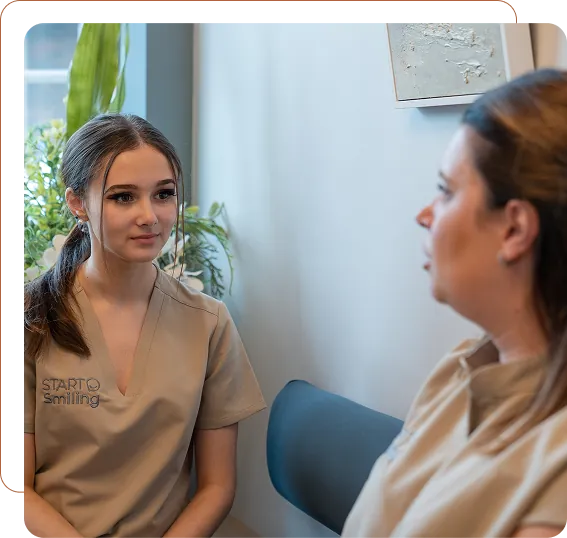
Common benefits of a planned implant restoration include improved function, denture stability and preserved facial support.
Multiple dental implants may support replacement teeth for a complete upper or lower arch where clinically appropriate, following detailed assessment and planning.
A full-arch restoration can recreate the biting and chewing surfaces needed for everyday eating tasks and improved function.
Implant-retained or implant-supported restorations can reduce movement of a removable denture for greater comfort and confidence.
For people with unstable dentures, implants may reduce reliance on adhesives and the need for frequent adjustments.
A well-designed restoration can help maintain soft-tissue contours and facial support over time when planned appropriately.
When many teeth in an arch have a poor prognosis, full-arch treatment can be one planned option among others rather than an automatic choice.
A planned implant restoration includes a clear maintenance routine to protect gum health and implant components over time.
Careful aesthetic planning aims for natural-looking teeth while respecting your preferences and realistic goals, with informed consent about risks and limitations.
These potential benefits are discussed alongside alternatives so you can decide with clear information.
We take time to understand your goals and explain the assessment and options clearly so you can make an informed choice.
Our practice offers a relaxed setting with modern equipment to support accurate planning and patient comfort.
Decisions involve clinicians, technicians and hygiene staff to co-ordinate care and explain choices across stages of treatment.
We outline benefits, limitations and sensible alternatives so you can decide without pressure and with realistic expectations.
Restorations are designed to look natural and to work with your facial proportions and bite as part of the plan.
We emphasise professional maintenance and long-term review after implant treatment to monitor gum health and components.
A clinician will review your medical history, examine your mouth and discuss goals; suitability cannot be confirmed without this individual assessment and discussion of risks.
We take imaging and digital records and create a restorative plan that considers bone, bite, soft tissues and maintenance; this planning supports informed decisions about dental implant treatment.
Gum disease will be stabilised and suitable teeth considered for preservation; some patients need extra procedures such as tooth removal or grafting, but not everyone.
Placement is surgical and commonly carried out under local anaesthetic; details about sedation, immediate provisionals or staged approaches are discussed individually.
Healing and integration vary between patients; you will be reviewed at planned intervals before fitting the final restoration.
When clinically appropriate the final bridge or overdenture is fitted and we agree a professional maintenance schedule and home-care routine.
Suitability varies between patients and requires an individual clinical assessment. Full-arch implant treatment may be considered when many or all teeth in an arch are missing, when remaining teeth have a poor prognosis, or when a conventional denture is causing problems.
Remaining teeth are assessed for their long-term prognosis and may be kept where clinically appropriate rather than automatically removed. Your medical history, regular medicines, smoking, oral hygiene ability, bone quality, bite and expectations all influence whether full-arch treatment is appropriate.
We discuss alternatives such as retaining and restoring suitable teeth, implant-retained removable dentures, conventional dentures or other restorative plans so you can make an informed choice. Full-arch treatment carries surgical risks and possible prosthetic complications; one or more implants may fail to integrate and components can need maintenance, repair or replacement over time.
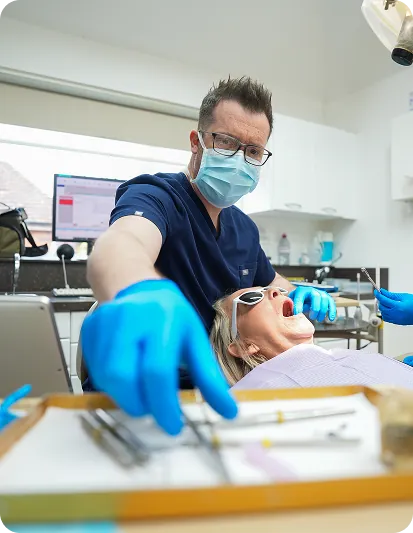
Services and diagnostics we provide to support implant treatment.
Diagnostic imaging and digital records
Professional hygiene care and gum-health stabilisation
Tooth-restoration work such as crowns and bridges where appropriate
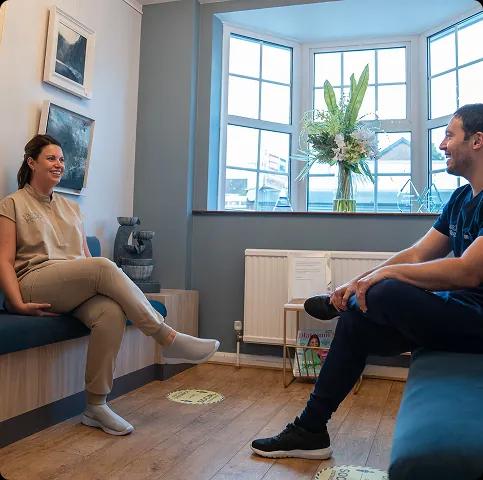
Local anaesthesia and sedation options discussed when clinically suitable
Custom-made provisional restorations during treatment phases where needed
Long-term review and component maintenance for implant restorations
These services support assessment, treatment and long-term maintenance of implant restorations.
If you are travelling from Chelmsford Cathedral to our Ingatestone practice you can reach us by car, train or bus. We are happy to discuss practical arrangements at booking so you know what to expect before your visit.
If you are based in Chelmsford Cathedral and would like a private consultation about full arch dental implants, call Start Smiling Dental Practice on 01277 353456 to arrange an appointment.
A consultation includes an initial assessment, discussion of likely investigations and clear explanation of potential costs; a personalised estimate follows clinical assessment and the current fee guide is available on request.