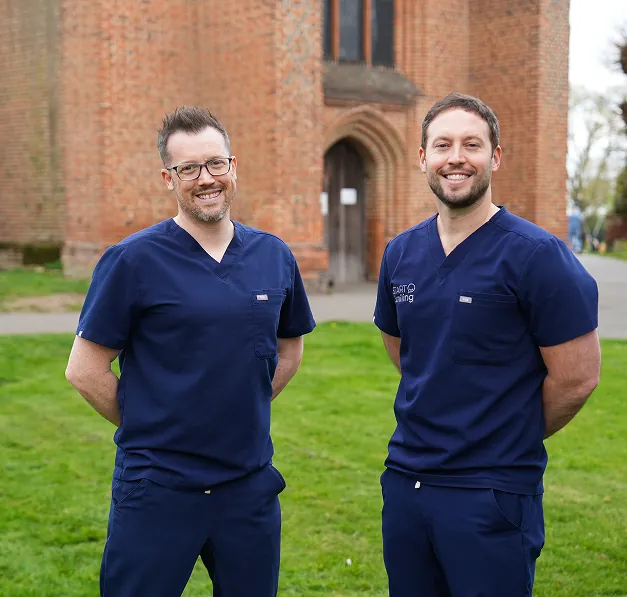
Replace A Full Arch Of Teeth
01
Multiple dental implants may support replacement teeth for a complete upper or lower arch where clinically appropriate, following detailed assessment and planning.
Full arch dental implants near Ingatestone Hall replace or restore a complete upper or lower arch of teeth. Multiple dental implants are placed in the jawbone to support replacement teeth across a full upper or lower arch, and those replacement teeth may be a fixed implant-supported bridge or a removable implant-retained overdenture depending on the plan. At Start Smiling Dental Practice in Ingatestone we focus on careful assessment, clear options and realistic explanations of benefits, risks and ongoing care so you can make an informed choice.
We offer private full arch dental implant care from our practice in Ingatestone and welcome enquiries from patients in the Ingatestone Hall area. Treatment is planned around your oral health, jaw anatomy, bite and personal goals, and the team will explain alternative options so you can decide at each stage.
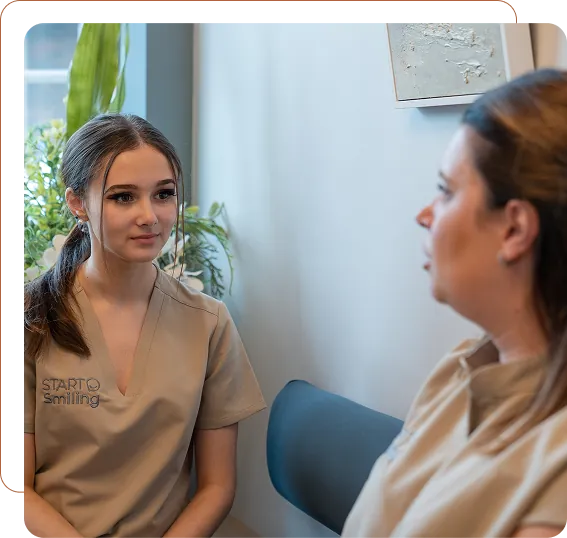
Full arch implant treatment can address functional, prosthetic and maintenance needs when replacing a full upper or lower arch.
Multiple dental implants may support replacement teeth for a complete upper or lower arch where clinically appropriate, following detailed assessment and planning.
Start Smiling Dental Practice is based in Ingatestone and welcomes patients from Ingatestone Hall.
An implant-supported bridge or an implant-retained overdenture can reduce movement of a replacement arch and make everyday eating and speaking easier for some people.
For patients who find continual denture relines or repairs disruptive, a full arch solution may be an alternative worth discussing.
Replacing a full arch of teeth with implant-supported restorations can help maintain facial profile that can be affected by tooth loss or long-term denture wear.
Implant restorations require regular review and careful cleaning; we will plan a maintenance routine to support long-term oral health.
Full arch treatment may be considered when many teeth in an arch have a poor prognosis and retaining them would not meet your functional or aesthetic goals.
Restorations are designed to look natural and work with your facial features; the final appearance is planned with your preferences in mind.
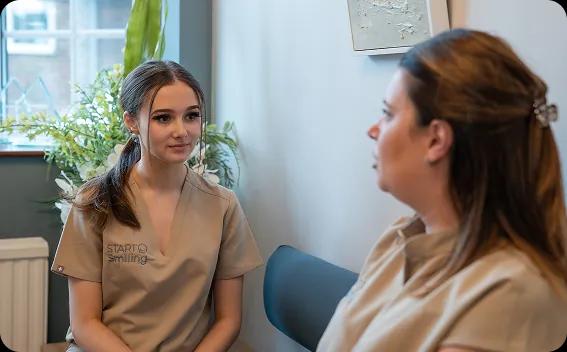
We take time to explain options, expected outcomes and likely next steps so you feel clear about your choices.
Our practice combines contemporary equipment with a relaxed atmosphere to support careful implant planning and treatment.
Your assessment and treatment planning are coordinated by our dental team, with surgical and restorative perspectives considered together.
We discuss likely benefits, limitations and possible complications so informed consent is straightforward.
After treatment we set up reviews and hygiene care to support implant health and oral hygiene.
Based in Ingatestone, our team offers ongoing follow-up for patients who travel from the Ingatestone Hall area.
We review your medical history, oral health, gum condition and remaining teeth to establish whether full arch implant treatment may be appropriate. Imaging and records inform suitability.
Where clinically appropriate we take X-rays, scans or 3D images and create a restorative plan that guides implant position and the final prosthesis; further information on dental implant treatment explains typical planning steps.
This can include stabilising gum disease, treating remaining teeth that can be saved, or planning bone grafting only if required for a predictable result.
Implant surgery is performed under local anaesthetic; the number and placement of implants depend on bone, bite and restorative needs and are decided during planning.
The team monitors implant integration and soft tissue healing; some plans include provisional restorations but the final restoration is fitted when clinically appropriate.
Once healing is satisfactory you receive the final bridge or overdenture and a schedule for professional hygiene care and regular reviews is agreed.
Suitability varies between patients and requires individual assessment. We will examine remaining teeth and discuss whether they can be preserved; removing teeth is not an automatic step unless clinical judgement supports it.
Factors such as gum health, bone quantity, your bite, medical history, medicines, smoking and your ability to maintain oral hygiene all influence suitability. Full arch treatment is one option alongside retaining suitable teeth, conventional dentures or removable implant-retained solutions, and the team will explain risks, likely remedial steps and alternatives if problems arise.
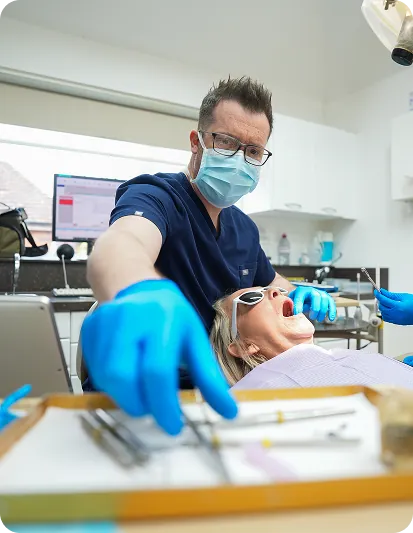
We provide additional care to support implant planning and ongoing oral health.
Diagnostic imaging and digital records to inform planning
Professional hygiene care to manage gum health before and after treatment
Restorative work including crowns and bridges where needed to support a plan
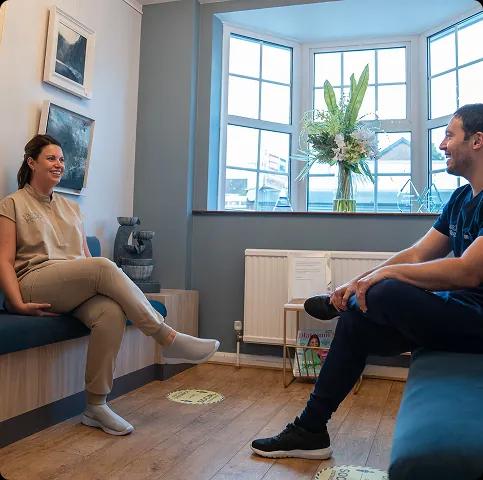
Bone grafting and soft tissue management when clinically indicated
Local anaesthetic and sedation options discussed where appropriate
Regular review appointments to monitor implants and restorations
Start Smiling Dental Practice is located in the centre of Ingatestone and welcomes patients travelling from Ingatestone Hall by car, train, bus or on foot. We can discuss assessment, planning and ongoing care for your full arch dental implant needs during an appointment at the practice.
If you are considering full arch dental implants near Ingatestone Hall, call Start Smiling Dental Practice on 01277 353456 to arrange a consultation at our practice in Ingatestone.
Our team will explain the assessment process, likely investigations and the current fee guide so you can request a personalised estimate following clinical review.
Start Smiling Dental Practice, 5 Market Place, Ingatestone, Essex, CM4 0BY.