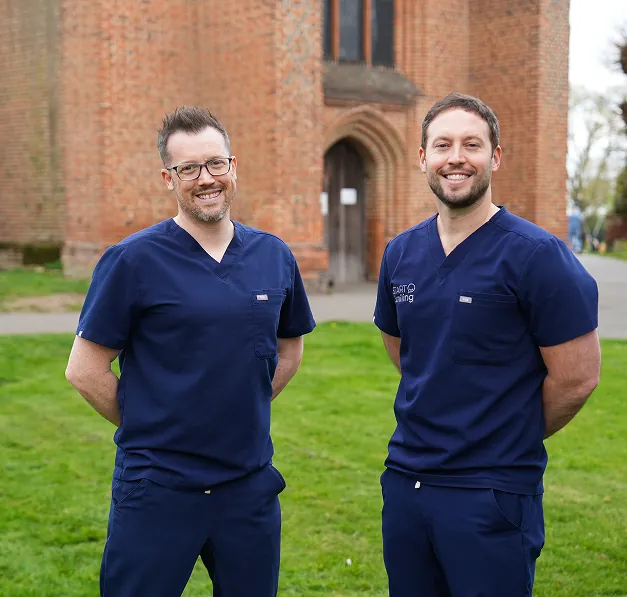
Replace A Full Arch Of Teeth
01
Multiple dental implants may support replacement teeth for a complete upper or lower arch where clinically appropriate, following detailed assessment and planning.
We welcome patients from Queen’s Hospital who are exploring full arch dental implants and want clear, restorative-focused care. Multiple dental implants are placed in the jawbone to support replacement teeth across a full upper or lower arch, and we plan each case around your oral health, comfort and long-term maintenance. Your assessment explains options, likely next steps and how treatment fits your needs.
As a private dental practice in Ingatestone we offer personalised planning, calm clinical care and a restorative emphasis for patients travelling from Queen’s Hospital. Private treatment provides time for detailed assessment and planning so we can discuss whether a fixed bridge or an implant-retained overdenture is most suitable for you.
Because full-arch care varies by clinical need, the current fee guide is a useful starting point before a personalised estimate is prepared. For information on dental implants in general see our implant treatment page at Dental Implants.
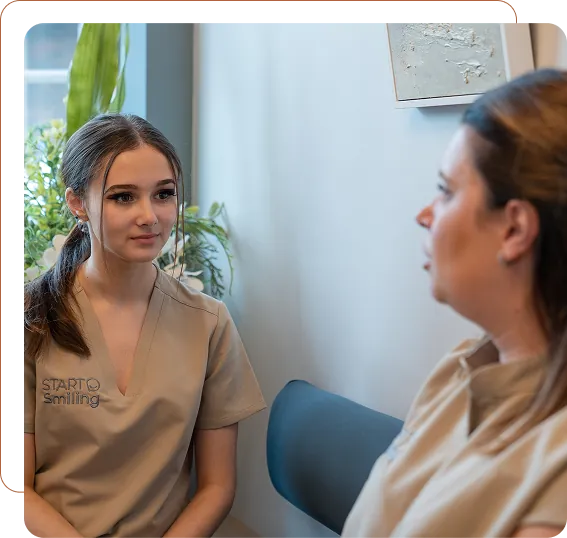
Planned restorations can address the needs of a whole upper or lower arch when many teeth are missing or cannot be saved.
Multiple dental implants may support replacement teeth for a complete upper or lower arch where clinically appropriate, following detailed assessment and planning.
Implant-supported restorations can give greater stability when eating compared with an unstable conventional denture, subject to individual assessment.
If a denture moves, causes sore spots or limits diet, implant retention or support may offer a more secure option.
A full-arch solution can provide a single restorative route instead of repeated repairs to failing teeth in the same arch.
Certain restorative designs can avoid large denture plates or visible clasps when the plan allows.
Restorations may help replace lost tooth structure and support soft tissues for a balanced, natural appearance when clinically appropriate.
Implants act as artificial tooth-root replacements and form a stable foundation for prosthetic teeth designed for function and appearance.
A full-arch plan is considered alongside gum health, remaining teeth and maintenance to support ongoing oral health.
Each case is planned around your health, function and long-term maintenance rather than a one-size-fits-all approach.
We prioritise clear explanations, comfortable appointments and time for questions so you can make informed decisions.
Treatment is planned from teeth and function outwards, balancing appearance and chewing with health.
Your assessment and treatment planning are coordinated by our dental team, who explain each stage before you decide how to proceed.
We use suitable X-rays and scans to inform planning and help you understand the proposed approach.
We discuss likely routes and refer to the current fee guide, then provide a personalised estimate after clinical assessment.
You will see the same team through assessment, treatment and review so care is consistent and coordinated.
A clinician reviews your oral health, gum condition, remaining teeth, bite, medical history, medicines and goals to determine whether full-arch treatment may be appropriate.
We take X-rays, digital impressions or 3D imaging where required and plan the restorative design and likely implant positions.
Before implants, we may stabilise gum disease, restore or remove teeth that cannot be saved, or plan grafting where necessary.
Implants are placed in the jawbone under local anaesthetic; sedation options can be discussed if appropriate and the team will explain peri-operative care.
Healing and integration with the bone vary between patients; the clinician monitors progress and proceeds with the final restoration only when clinically suitable.
When ready, the definitive bridge or overdenture is fitted and you enter a planned maintenance programme with professional reviews and home-care guidance.
Suitability varies between patients and requires an individual clinical assessment. We will assess remaining teeth and will not recommend removing teeth that can reasonably be preserved; full-arch replacement is one option among alternatives.
Factors such as gum health, bone availability, bite, medical history, medicines, smoking, hygiene ability and expectations all affect the recommended plan. Some patients require preparatory care such as gum stabilisation, tooth removal or bone grafting, while others need fewer interventions.
Implant placement is surgical and commonly carried out with local anaesthetic and sometimes sedation where appropriate. Healing times vary, provisional restorations may be used, and one or more implants can fail to integrate. We will discuss risks, benefits and alternative treatments so you can decide without pressure.
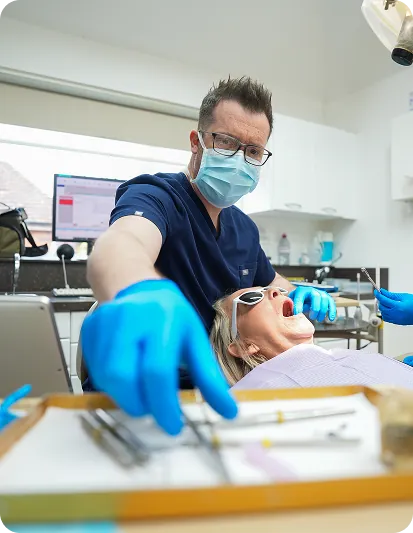
We provide complementary care before, during and after implant treatment to support the health and longevity of restorations.
Routine professional hygiene care to support gum health and implants
Restorative work including crowns and bridges to complement implant restorations
Assessment and planning for remaining teeth and occlusion
Local anaesthetic and discussion of sedation options where clinically appropriate
Emergency dental care and short-term repairs where required
Long-term care may include professional hygiene care alongside regular reviews and careful home cleaning.
We coordinate restorative and hygiene care so implants and any remaining teeth are supported by a clear maintenance plan.
We are based in Ingatestone and welcome patients travelling from Queen’s Hospital by car, rail, bus or taxi. If you have records or recent imaging from Queen’s Hospital, bring them to your assessment so we can include them in planning. Our team will explain appointment options and how visits can be scheduled to suit you.
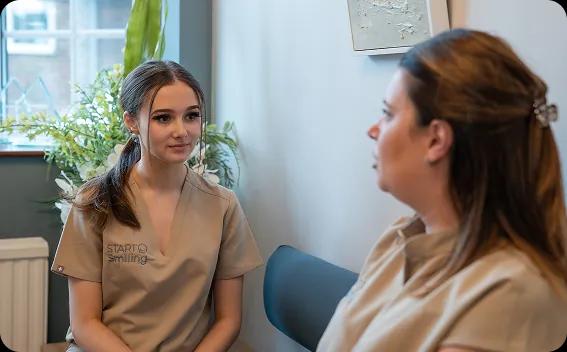
If you would like a private consultation about full arch dental implants near Queen’s Hospital, call Start Smiling Dental Practice on 01277 353456 to book an appointment at our Ingatestone practice. We will explain what a personalised assessment involves, refer to the current fee guide and prepare a tailored plan and estimate after clinical review.